Kalamata olive
Dark purple table olive from the Kalamata region of Greece.

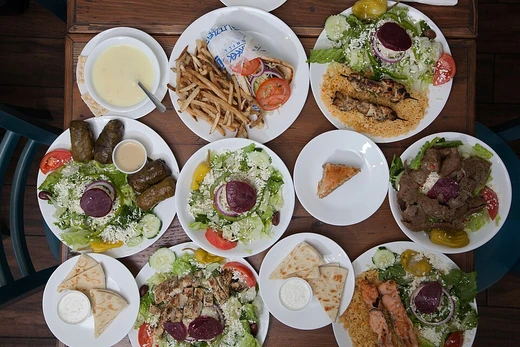
The Kalamata olive is a plump, dark purple fruit with a smooth, meaty texture, taking its name from the Greek city of Kalamata in the southern Peloponnese. Typically served as table olives, they are commonly preserved in wine vinegar or olive oil. While "Kalamata" legally designates a specific growing region in Greece, some countries—mostly outside the United States and European Union—apply the name to olives of the same variety cultivated elsewhere, even beyond Greek borders. Within the EU and other nations that have ratified Protected Designation of Origin (PDO) agreements, the name is legally protected, meaning it can only be used for olives (and olive oil) from the area around Kalamata. Olives of the same variety grown in other places are marketed as Kalamon olives in the EU and sometimes elsewhere.
These olives were originally cultivated in the region around Kalamata, which includes Messenia and nearby Laconia on the Peloponnese peninsula, but they are now grown worldwide, including in the United States and Australia. They are almond-shaped and plump, with a dark purple color, and come from a tree distinguished by leaves that grow to twice the size of those on common olive varieties. The trees are sensitive to cold and prone to Verticillium wilt, though they resist olive knot and the olive fruit fly. Kalamata olives cannot be harvested green and must be hand-picked to avoid bruising.
The olive is known by many synonyms, including Aetonychalea, Calamata, Calamon, Chondrolia, Kalamon, Nychati, and Tsigeli, among others, with variations appearing in regions such as Greece, Cyprus, Turkey, South Africa, Australia, Italy, and the United States.
Two main methods are used to prepare Kalamata olives. The short method involves debittering them by packing in water or weak brine, changed daily for about a week, then packing them in brine and wine vinegar with a layer of olive oil and lemon slices; the olives are often slit to speed up the process. The long method requires slitting the olives and placing them in strong brine for up to three months to remove bitterness. Some polyphenol remains after processing, giving the olives a slightly bitter taste.
Quick Facts
- Origin
- Greece
- Regions
- Kalamata
- Hazards
- Verticillium wilt and cold
- Use
- Table and oil
- Oil Content
- 6
- Symmetry
- Slightly asymmetrical
Facts from the source article.
Lore & Background
Kalamata olives are so-named because they were originally grown in the region around Kalamata, which includes Messenia and nearby Laconia, both located on the Peloponnese peninsula. They are now grown in many places around the world, including the United States and Australia. The trees are distinguished from the common olive by the size of their leaves, which grow to twice the size of other olive varieties. The trees are intolerant of cold and are susceptible to Verticillium wilt but are resistant to olive knot and to the olive fruit fly.
Kalamata olives, which cannot be harvested green, must be hand-picked to avoid bruising. There are two methods of preparing them, known as the long and short methods. The short method debitters the olives by packing them in water or weak brine, which is changed daily for around a week. Once debittered, they are packed in brine and wine vinegar with a layer of olive oil and slices of lemon. The olives are often slit to decrease the processing time further. The long method involves slitting the olives and placing them in strong brine for up to three months to debitter them. Some polyphenol remains in the olives after processing, giving them a slightly bitter taste.
Reader's Guide
The Kalamata olive holds significance as a protected geographical indication within the European Union and other countries that ratified PDO agreements, meaning the name can only be used for olives (and olive oil) from the region around Kalamata. Olives of the same variety grown elsewhere are marketed as Kalamon olives in the EU and sometimes elsewhere. This legal protection underscores the cultural and economic importance of the olive to the region of Messenia and Laconia. The variety is also notable for its distinct characteristics: almond-shaped, plump, dark purple, and with a smooth, meaty texture. Its preparation methods—either a short brine-and-vinegar process or a long brine cure—produce a slightly bitter taste due to remaining polyphenols. The tree's resistance to olive knot and olive fruit fly, despite its cold intolerance and susceptibility to Verticillium wilt, makes it a resilient crop in suitable climates. The olive's global spread, including to the United States and Australia, has led to naming disputes, with some countries using "Kalamata" for olives grown outside Greece. This entry preserves the factual details from the source article without resolving any such disputes.
More in Greek cuisine 1-24
Spotted an error? Know more?
Reader corrections go straight into our review queue. Suggest an edit · How this site is sourced