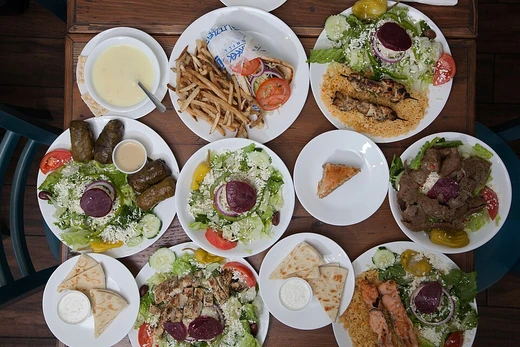
Kadayif (pastry)
Shredded filo pastry used in Middle Eastern and Balkan desserts.

Malicki Beser whoismalickibeser · CC0
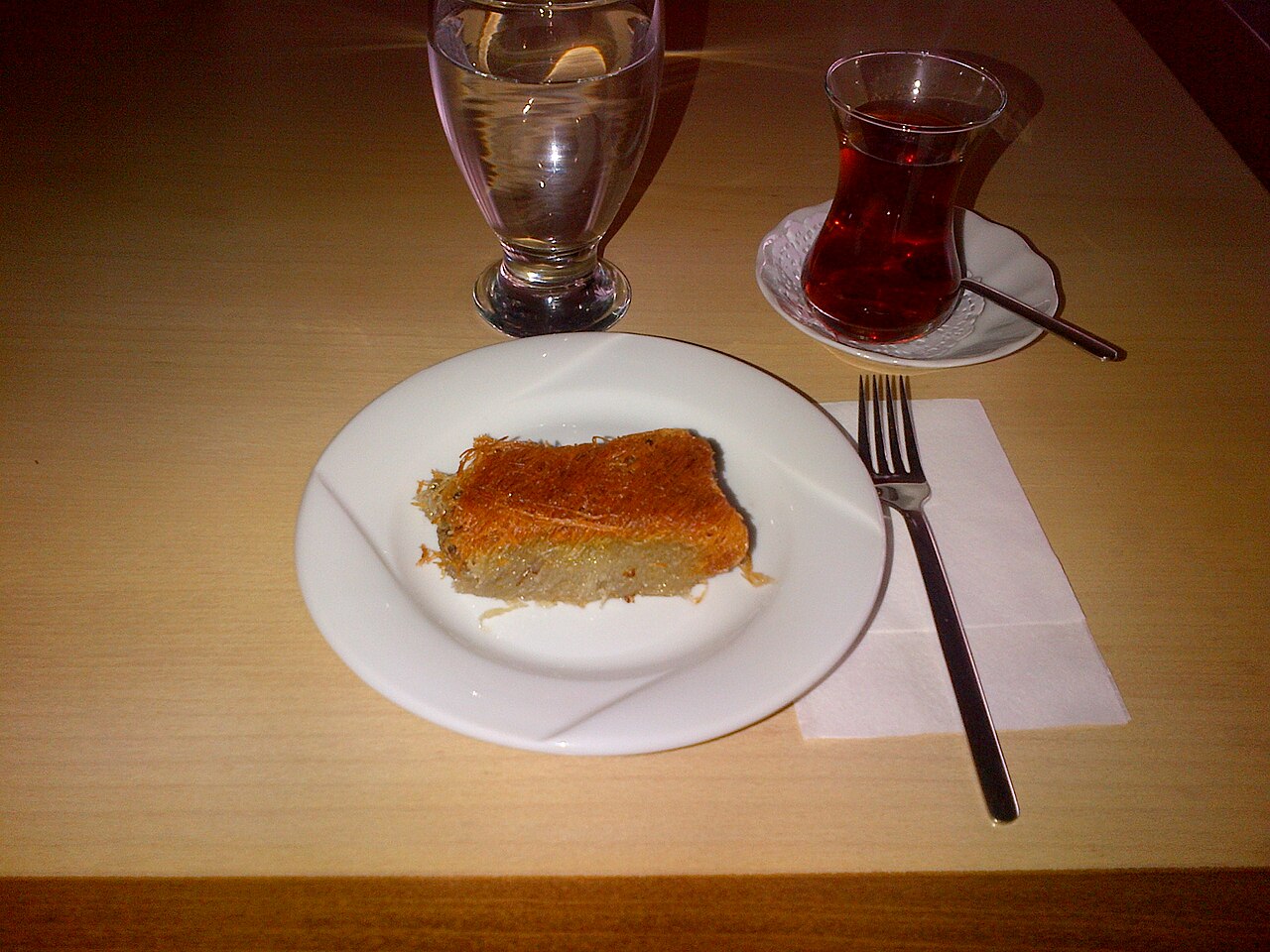
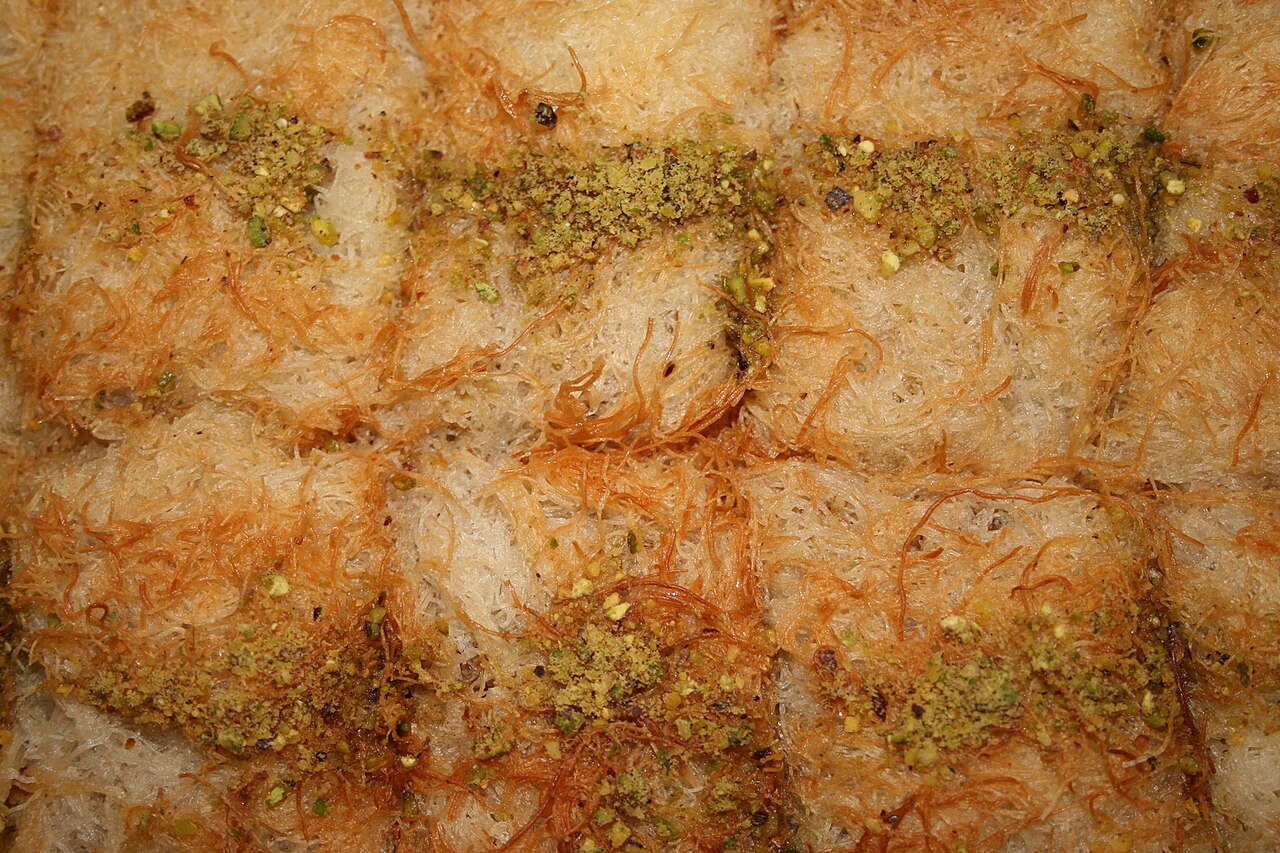
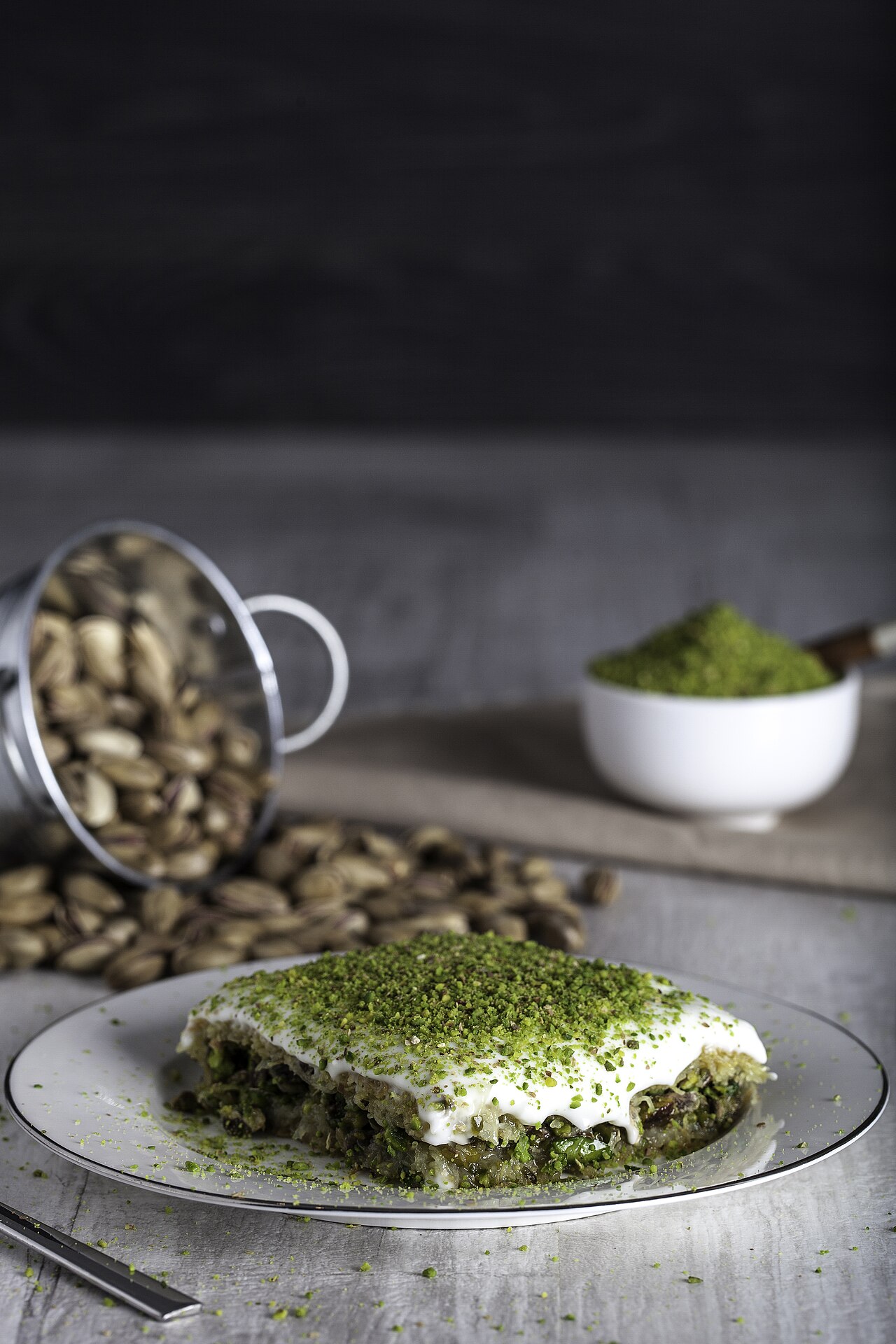
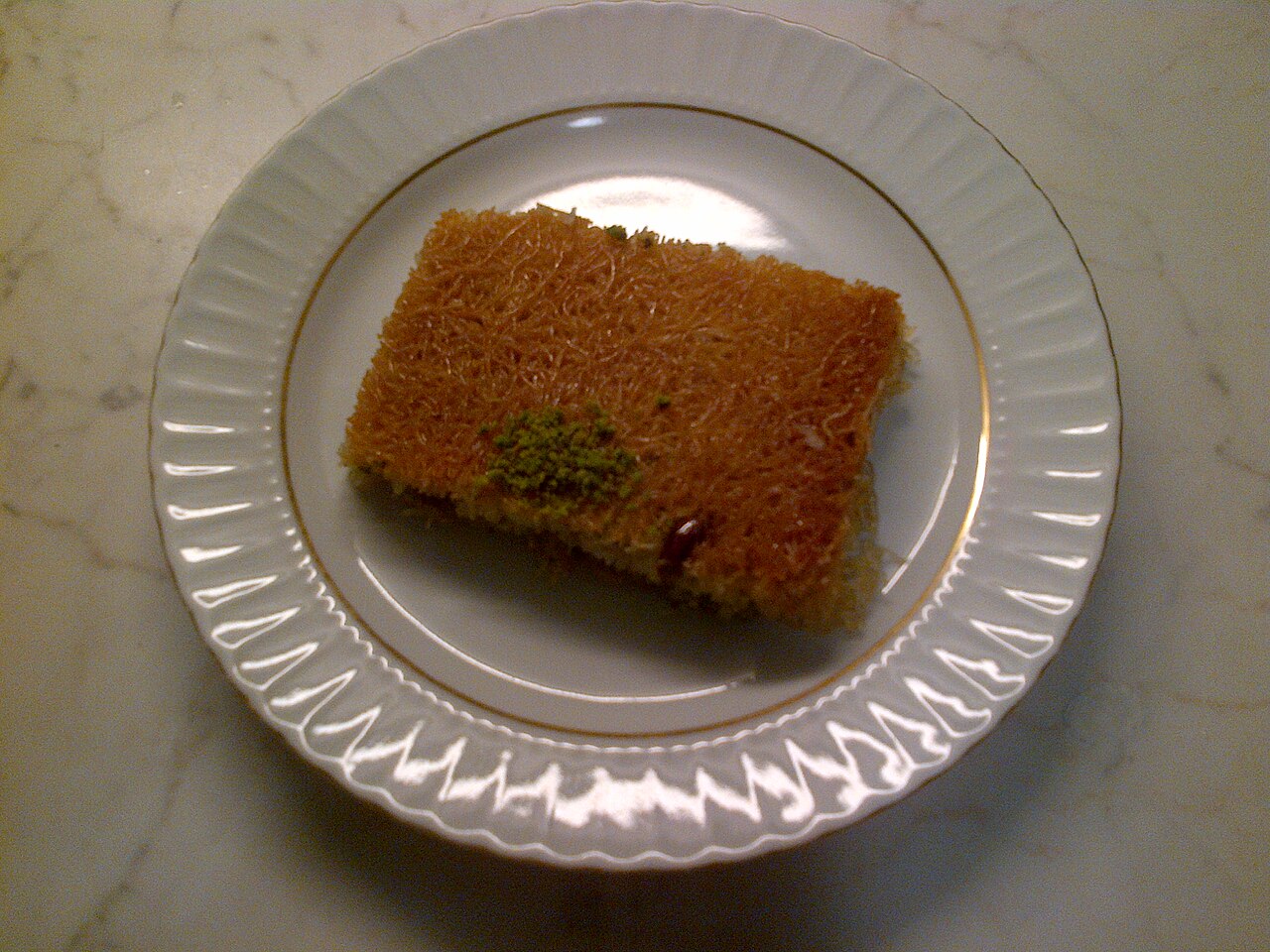
Kadayif is a type of shredded filo pastry dough made from fine threads, used in various desserts across the Balkans and Levant. The dough is often filled with milled almonds or walnuts and sweetened with sugar syrup, then baked and soaked in lemon sugar syrup. It is not a distinct dessert itself, though desserts made with it are commonly called 'kadayıf' (e.g., 'künefe' or 'şöbiyet' depending on the filling).
Quick Facts
- Place Of Origin
- Middle East
- Associated Cuisine
- Levantine, Balkanic, Arabic, Turkish, Greek, Armenian
- Served
- Warm
- Main Ingredient
- Filo pastry strips / Milled almonds or walnuts / Lemon sugar syrup / Vanilla sugar
- Variations
- Multiple
Facts from the source article.
Lore & Background
The word kadayif is the plural of the Arabic qatifah, meaning 'velvet'. The shredded dough is called knafeh/kunafa in Arabic, which is also a dessert similar to kadayıf but stuffed with cheese. The name first appears in a 15th-century Ottoman translation of Al-Baghdadi's 13th-century cookbook *Kitab al-Tabikh*, as translated by Muhammed bin Mahmud Şirvani, a 15th-century Ottoman physician. A local oral tradition in Diyarbakır claims that the first kadayif vendor in the city was an Armenian shop owner named Agop, but this story is unverifiable and not established as historical fact.
Reader's Guide
Kadayif is significant as a foundational pastry in Middle Eastern and Balkan cuisines, appearing in numerous recipes documented in the first Ottoman printed cookbook, Melceü't-Tabbâhîn. Its versatility is shown in varieties such as Tel Kadayif, Ekmek Kadayif, Kadayif Pudding, Knafeh, Erzurum Dolma, Dubai chocolate, Burma Kadayif, Tash Kadayif, Sheki halva, and Othmalliyya. A version filled with walnuts or pistachios flavored with cinnamon was traditionally served by the Sephardic Jewish community of Jerusalem during Rosh Hashanah and Purim. The pastry's legacy includes a Turkish standard (TS 10344) for Tel Kadayif, reflecting its cultural and commercial importance.
Etymology and Historical Roots
The name kadayif traces back to the Arabic word qatifah, which translates to "velvet" — a fitting descriptor for the delicate, thread-like texture of the pastry. The earliest written reference to this dessert appears in a 15th-century Ottoman translation of Kitab al-Tabikh, a 13th-century cookbook originally authored by Al-Baghdadi. The translator, Muhammed bin Mahmud Şirvani, was an Ottoman physician who rendered the text into the language of his era, preserving the recipe for future generations. Beyond written records, oral traditions add color to the pastry's story. In the city of Diyarbakır, local lore credits an Armenian shop owner named Agop with being the first kadayif vendor in the region, suggesting the dessert crossed ethnic and religious boundaries long before it became a pan-regional staple. The pastry also holds a place in Sephardic Jewish culinary heritage, where a version filled with walnuts or pistachios and scented with cinnamon was traditionally prepared for the holidays of Rosh Hashanah and Purim in Jerusalem.
The Art of Preparation
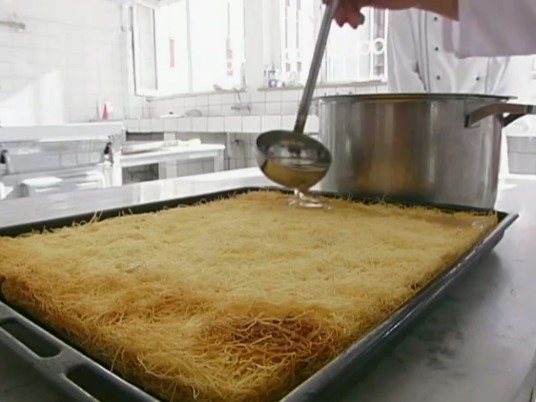
Kadayif is constructed from extraordinarily fine strands of dough, often referred to as "string kadayif," which give the pastry its signature delicate, nest-like structure. The heart of the dessert is a filling of milled almonds or walnuts combined with sugar, and this mixture is seasoned with vanilla sugar to add a warm aromatic depth. The sweet nut filling is then carefully wrapped within the gossamer dough threads, creating a layered confection that balances crunch with softness. Once the assembled pastry is baked to a golden finish and allowed to cool, it undergoes a final soaking in lemon sugar syrup. This step is crucial: the citrus-infused syrup penetrates the threads, lending a bright tang that cuts through the richness of the nuts and the sweetness of the sugar. The result is a dessert that is simultaneously crisp and moist, nutty and fragrant, with the lemon syrup providing a refreshing counterpoint to the dense, spiced filling at its core.
A Canvas for Regional Varieties
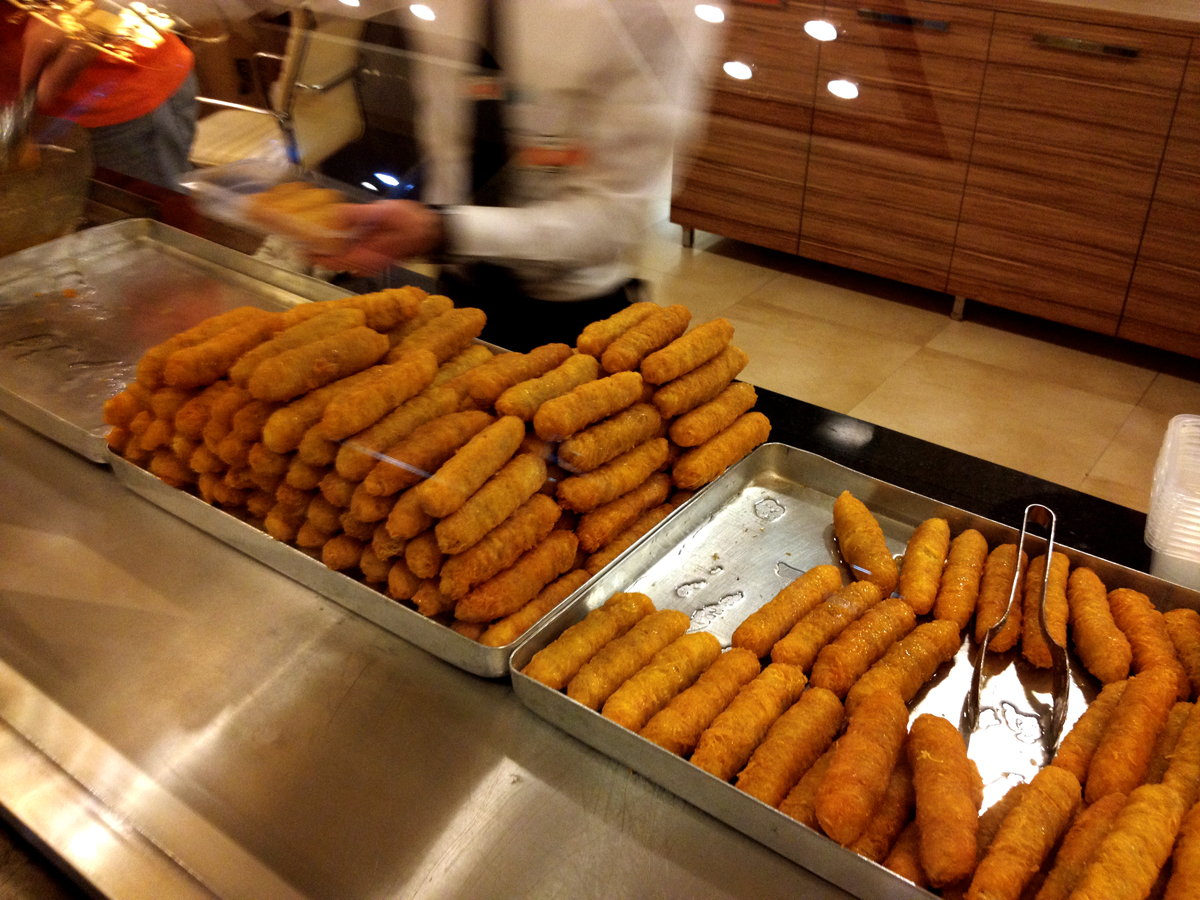
What makes kadayif remarkable is its extraordinary versatility as a pastry foundation. The shredded dough serves not only as a standalone sweet but as a building block for an impressive array of desserts across the Balkans and the Levant. The first Ottoman printed cookbook, Melceü't-Tabbâhîn, already documented multiple recipes built around kadayif, underscoring how central the pastry was to Ottoman-era cuisine. Today, the family of kadayif-based desserts spans a wide geographic and stylistic range: Tel Kadayif, Ekmek Kadayif, and Kadayif Pudding represent Turkish interpretations; Knafeh (or kunafa) is the Arabic-named cousin distinguished by its cheese filling; Erzurum Dolma, Burma Kadayif, and Tash Kadayif showcase regional Turkish variations; Sheki halva connects the pastry to Azerbaijani confectionery; and Othmalliyya extends the tradition into other parts of the region. Even the modern Dubai chocolate has been linked to kadayif, suggesting the pastry's influence continues to evolve. In Turkey, Tel Kadayif is so culturally significant that it carries a national standard designation under TS 10344.
Identity and Kinship Among Pastries
Kadayif occupies a unique dual identity in the culinary world: it is simultaneously a finished sweet dessert and a category of shredded filo pastry dough. This dual nature sets it apart from many other pastries. In Arabic, the shredded dough itself is called knafeh or kunafa, a name that also refers to a closely related dessert that differs primarily in its cheese-based stuffing rather than the nut-and-syrup filling typical of kadayif. This distinction highlights how a single dough technique can branch into different dessert traditions depending on the filling and regional preference. Kadayif also belongs to a broader family of Middle Eastern and Ottoman pastries that share similar techniques and ingredients. Its culinary neighbors include Şekerpare, Revani, Baklava, and Tulumba — all of which rely on combinations of dough, nuts, and syrup to create layered, rich confections. Together, these pastries form a constellation of sweets that define the dessert tables of the Levant and the Balkans, with kadayif's thread-like dough serving as one of the most distinctive and recognizable elements in the group.
Gallery
More in Greek cuisine 1-24
Spotted an error? Know more?
Reader corrections go straight into our review queue. Suggest an edit · How this site is sourced