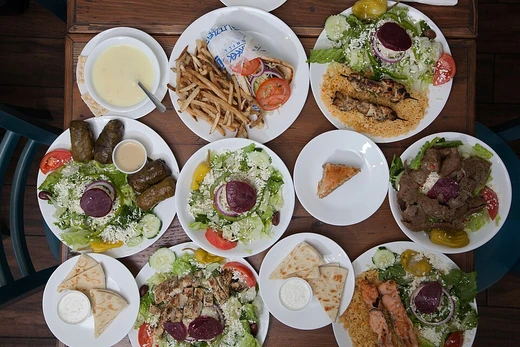
Grape syrup
A sweet, boiled grape syrup used across ancient and modern cuisines.

Jeff Moriarty · CC BY 2.0
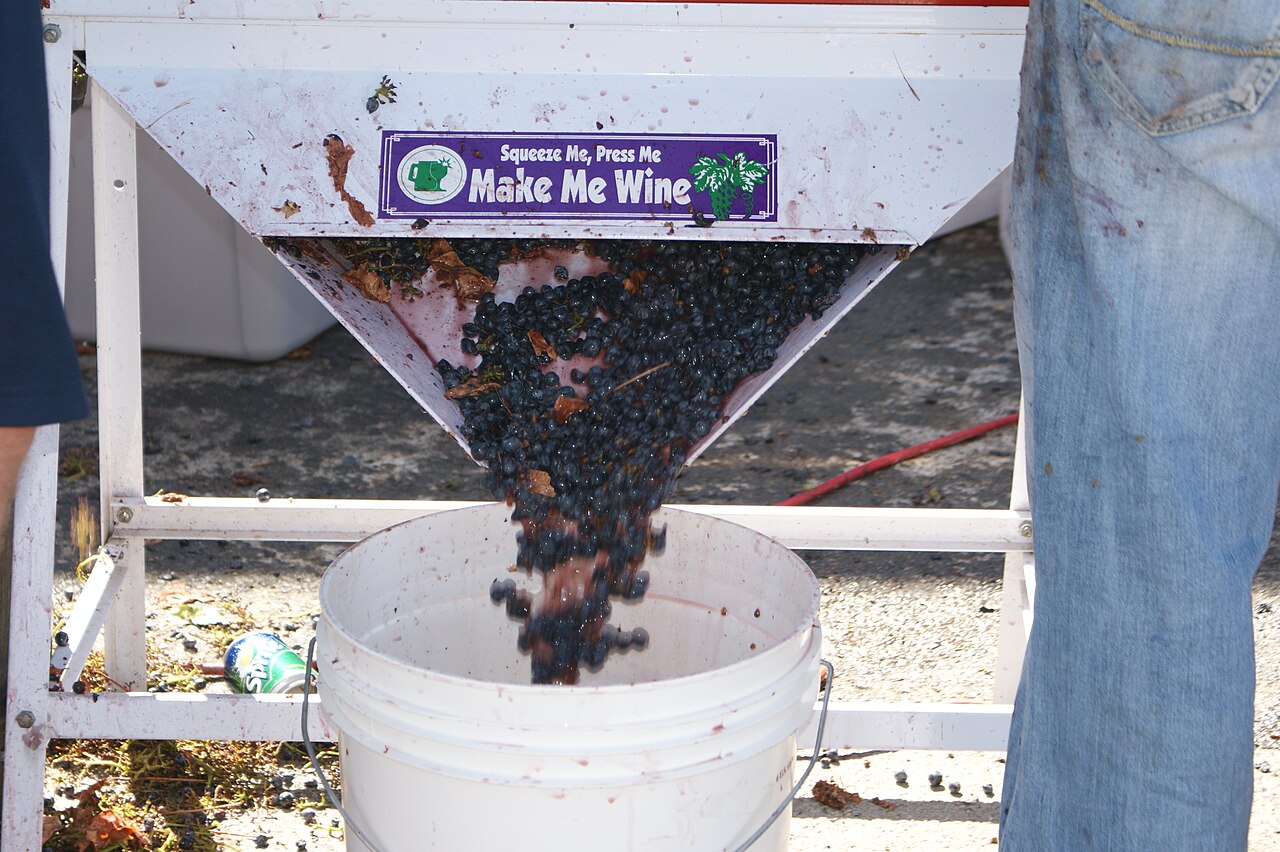
Grape syrup is a condiment made from concentrated grape juice, known for its thick, sweet consistency due to a high sugar-to-water ratio. It is produced by boiling grapes, removing their skins, and squeezing them through a sieve to extract the juice. Used as a topping for sweet cakes like pancakes or waffles, it appears in multiple Balkan, Middle Eastern, and Caucasian cuisines under various names.
- Earliest mention
- 4th century BC by Theophrastus
Lore & Background
One of the earliest mentions of grape syrup comes from the fourth-century BC Greek philosopher Theophrastus, who refers to hépsēma. The fifth-century BC Athenian playwright Aristophanes also references it, as does Roman-era Greek physician Galen. In ancient Rome, grape syrup was known by different names depending on boiling procedure: defrutum (reduced to half), carenum (two-thirds), and sapa (one-third). Defrutum was used to preserve and sweeten wine, added to fruit and meat dishes, mixed with garum to make oenogarum, and even given to food animals to improve their flesh. Some Roman women used defrutum or sapa as a cosmetic.
Reader's Guide
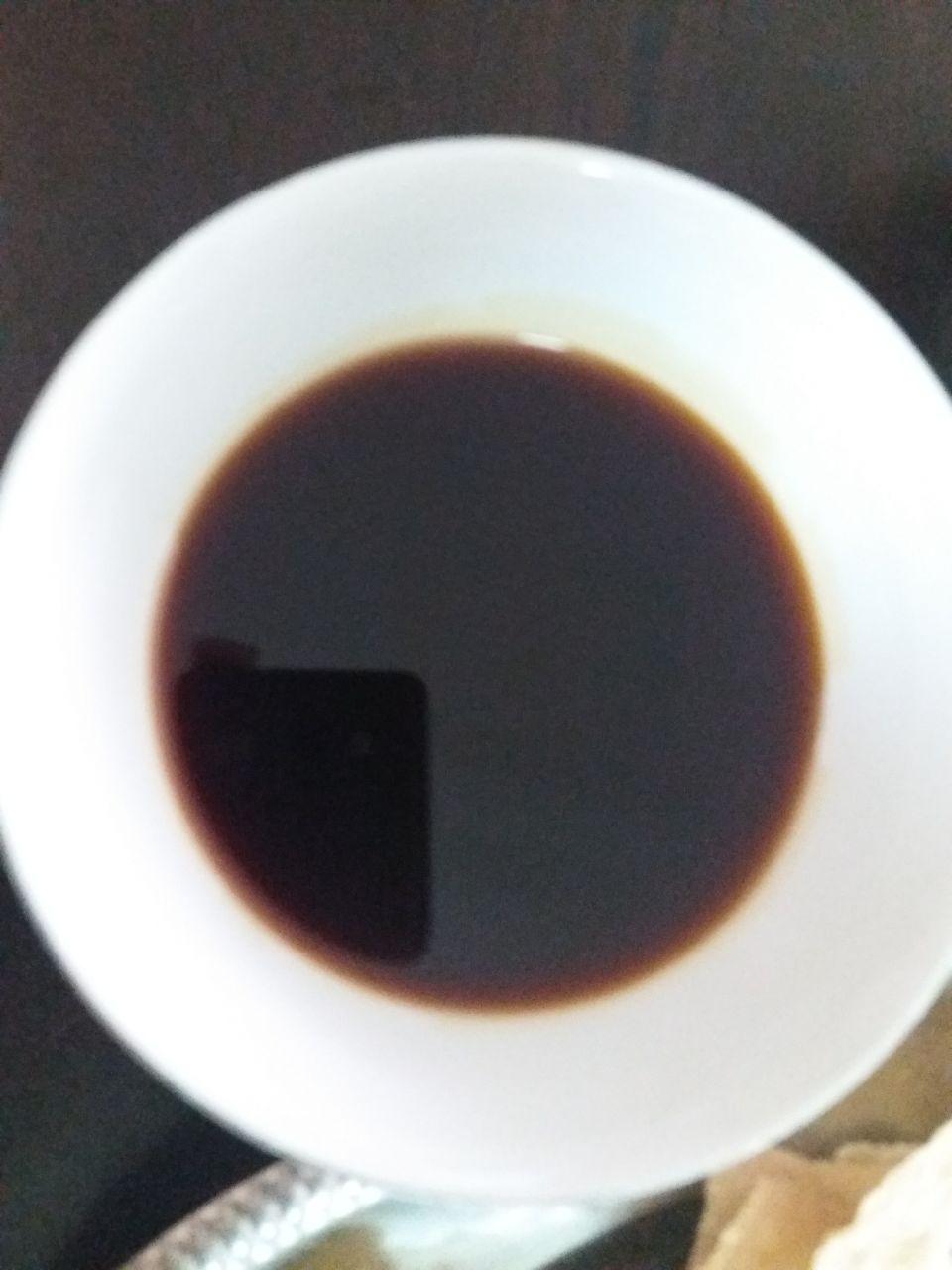
Grape syrup has a long history across multiple civilizations. In ancient Rome, it was often boiled in lead pots, which leached lead acetate into the syrup, potentially causing lead poisoning. A 2009 documentary found lead levels 2,900 times higher than the contemporary US drinking water limit in historically accurate defrutum. However, scholarly agreement on the extent of lead poisoning is disputed. In the Levant, grape syrup production is evidenced by a document from Nessana, and Islamic law increased its prevalence due to the prohibition of wine. In Greece, petimezi was a common sweetener before cane sugar became widely available, and it is still used in desserts and as a topping. The syrup keeps indefinitely and may be light or dark depending on the grapes used.
Did You Know?
- The ancient Greek name for grape syrup is siraios (σιραίος), in the general category of hepsema (ἕψημα), meaning 'boiled'.
- In ancient Rome, defrutum was mixed with garum to make the popular condiment oenogarum.
- A 2009 documentary found that historically accurate defrutum boiled in lead-lined vessels had a lead level of 29,000 ppb, 2,900 times the contemporary US drinking water limit.
A Condiment by Many Names
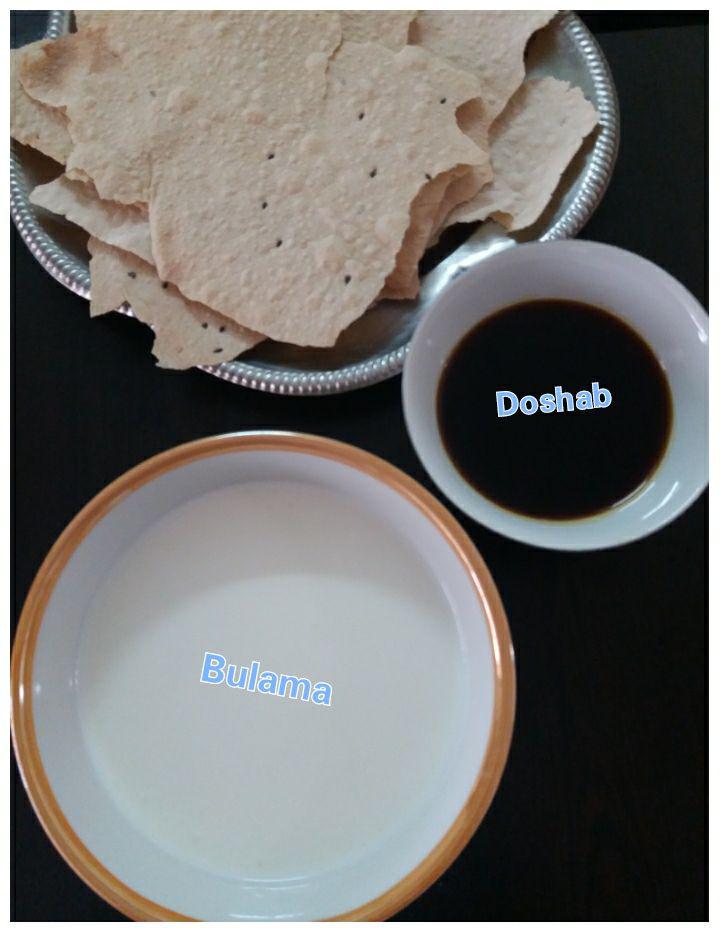
Grape syrup has traveled across millennia and continents, accumulating a remarkable collection of names that trace the linguistic exchanges between civilizations. In ancient Greek, it was called siraios, falling under the broader category of hepsema, a term rooted in the concept of boiling. That same Greek word survived in Crete and persists in modern Cyprus. In contemporary Greece, the common name is petimezi, a borrowing from the Persian petmez, which can also refer to mulberry syrup and other fruit-based reductions. Turkish speakers call it pekmez, a term already recorded in the 1073 dictionary Dīwān Lughāt al-Turk compiled by Mahmud al-Kashgari. Across Armenia, Iran, and Azerbaijan, the word doshab is standard, while Palestinians know it as dibs or dibes. Iranians additionally use the poetic shir-e angoor. In southern Italy, the term vincotto applies specifically to a syrup made exclusively from cooked wine grape must, with no fermentation, alcohol, vinegar, or added sweeteners. This web of names testifies to how deeply the condiment is woven into the culinary identities of the Balkans, the Middle East, and the Caucasus.
Roman Kitchens and the Art of Reduction
In the ancient Roman world, grape syrup was far more than a simple sweetener; it was a versatile culinary tool whose preparation was defined by precise degrees of boiling. Unfermented grape juice, or must, was reduced in large kettles to specific proportions: to two-thirds of its original volume it became carenum, to half it was defrutum, and to one-third it was sapa. The Greek equivalent was siraion. Defrutum found its way into nearly every aspect of Roman food culture. It sweetened and preserved wine, flavored fruit and meat dishes, and served as a souring agent. Romans fed it to ducks and suckling pigs to enhance the taste of their flesh, mixed it with garum to create the condiment oenogarum, and used it to preserve quince and melon through winter. Some Roman women applied it cosmetically. In military contexts, defrutum served as a food preservative in troop provisions. Pliny the Elder advised boiling it only at the new moon, while Cato the Censor insisted on the sweetest possible variety. The exact reduction ratios, however, were described inconsistently by ancient authors including Cato, Columella, Pliny, Varro, and Isidore of Seville, leaving modern scholars to untangle the discrepancies.
The Lead Question
A troubling shadow hangs over the Roman use of grape syrup. In ancient Rome, the condiment was frequently boiled in lead pots, a practice that leached the sweet-tasting compound lead acetate into the liquid, inadvertently sweetening it while poisoning those who consumed it. A 2009 History Channel documentary attempted to replicate the process using historically accurate lead-lined vessels. The resulting batch tested at 29,000 parts per billion of lead, a figure 2,900 times the contemporary American drinking water limit of 10 ppb. Such concentrations are sufficient to cause acute lead toxicity in large doses or chronic poisoning through the smaller, repeated quantities typical of daily culinary use. Yet the full picture remains contested. Copper cookware was actually the more common material in Roman kitchens, and no definitive evidence exists regarding how frequently or in what quantities sapa was added to food. The original research by Jerome Nriagu drew sharp criticism from John Scarborough, a pharmacologist and classicist, who dismissed it as riddled with false evidence, miscitations, and a careless disregard for primary sources. Scholarly agreement on the true extent of lead exposure in these ancient condiments remains elusive.
Roots in the Levant
Grape syrup's presence in the Levant stretches back to antiquity, with a document from Nessana in the northern Negev, within modern Israel, providing early written evidence of its production. One of the most vivid accounts comes from the period of the Muslim conquest of the Levant in 636. When Jewish communities met with the Rashidun caliph Umar, who was camped at Jabiyah in the southern Golan, they explained that harsh climate and recurring plagues left them with no choice but to drink wine. Umar proposed honey as an alternative, but they argued it did not suit their needs. As a compromise, Umar permitted them to prepare a dish from grape juice boiled until two-thirds of the liquid evaporated, producing a non-intoxicating syrup. When they presented it to him, Umar remarked that it reminded him of an ointment used for camels. Botanist Zohar Amar has suggested that this very practice explains the winepresses discovered from Mishnaic and Talmudic periods in the Mount Hermon area, which bear a striking resemblance to those used specifically for grape syrup production rather than wine.
Gallery

More in Greek cuisine 1-24
Spotted an error? Know more?
Reader corrections go straight into our review queue. Suggest an edit · How this site is sourced