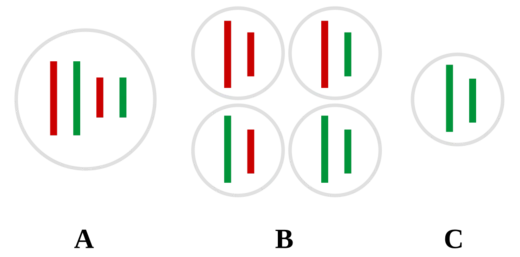
Chromosome abnormality
Chromosomal abnormalities involve missing, extra, or rearranged DNA.

DataBase Center for Life Science (DBCLS) · CC BY 4.0
A chromosomal abnormality is a condition where the DNA within chromosomes is missing, extra, or arranged irregularly. These issues come in two main types: numerical abnormalities, which involve an atypical total number of chromosomes, and structural abnormalities, where the shape or arrangement of one or more chromosomes is altered. These anomalies typically stem from errors during cell division, specifically in meiosis or mitosis. They can be identified or confirmed through genetic testing, which compares an individual’s karyotype—their complete set of chromosomes—to the standard karyotype for their species.
Sometimes, these abnormalities arise early in the development of an embryo, sperm, or infant. Various environmental factors can trigger them. The consequences vary widely depending on the specific problem; some lead to diseases or conditions known as chromosomal disorders or aberrations, such as Down syndrome or Turner syndrome. However, not all chromosomal abnormalities cause illness. For instance, balanced structural rearrangements, where genes are swapped between chromosomes without losing or gaining genetic material, can be harmless because the chromosome set remains complete and no genes are broken.
**Numerical abnormality** For genomic stability, cells must maintain a euploid state—having the correct number of chromosome sets. Aneuploidy is a condition with an abnormal number of chromosomes, such as monosomy (missing one chromosome from a pair) or trisomy (having an extra chromosome). This can be full, affecting an entire chromosome, or partial, involving only a segment. Aneuploidy often results from errors in meiosis, like nondisjunction (where replicated chromosomes fail to separate), premature disjunction, or anaphase lag. Nondisjunction is the most common cause, especially during egg cell formation, leading to germ cells with an extra or missing chromosome. Polyploidy is another numerical abnormality, where cells have more than two sets of chromosomes—for example, triploid (three sets) or tetraploid (four sets). Tetraploidy often arises from mitotic errors like cytokinesis failure, endoreplication, mitotic slippage, or cell fusion, which can then lead to aneuploidy.
Aneuploidy can affect sex chromosomes or autosomes. Most aneuploid individuals have trisomy rather than monosomy. Down syndrome, for instance, is a developmental disorder caused
- field
- Genetics, cytogenetics
- known_for
- Numerical abnormalities (e.g., aneuploidy, polyploidy) and structural abnormalities (e.g., deletions, duplications, translocations) in chromosomes
- examples
- Down syndrome (trisomy 21), Turner syndrome (monosomy X), Wolf–Hirschhorn syndrome, Jacobsen syndrome, Charcot–Marie–Tooth disease type 1A
Lore & Background
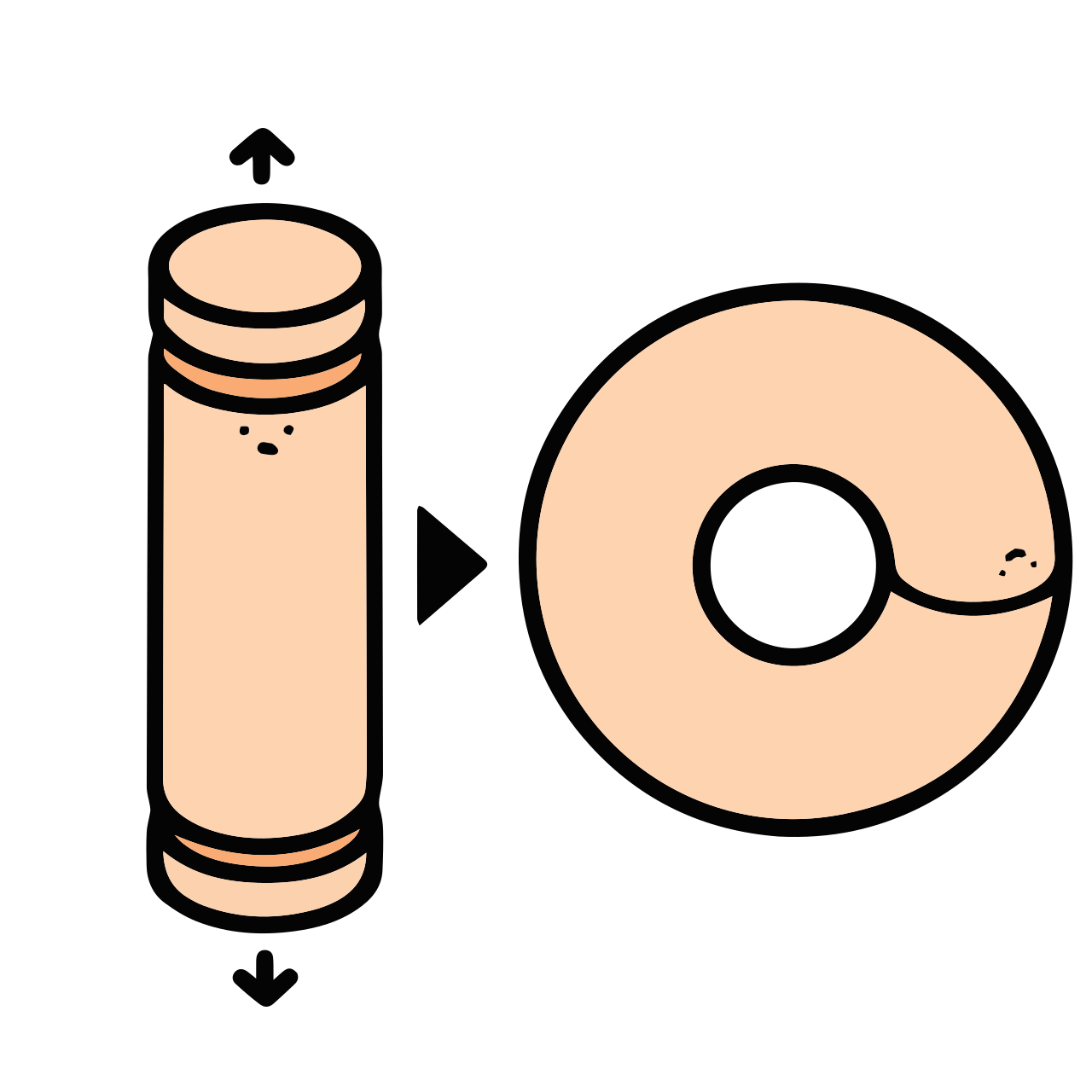
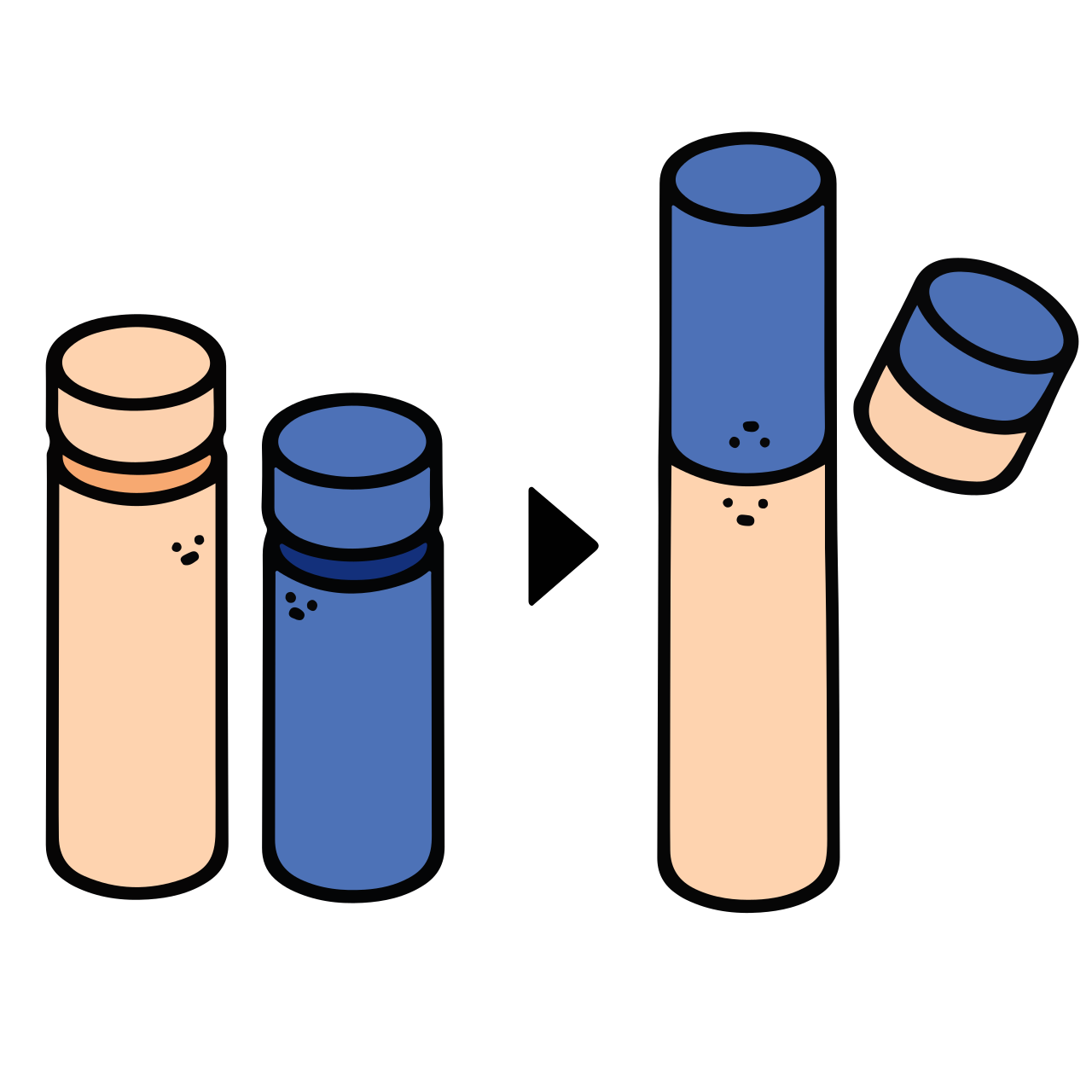
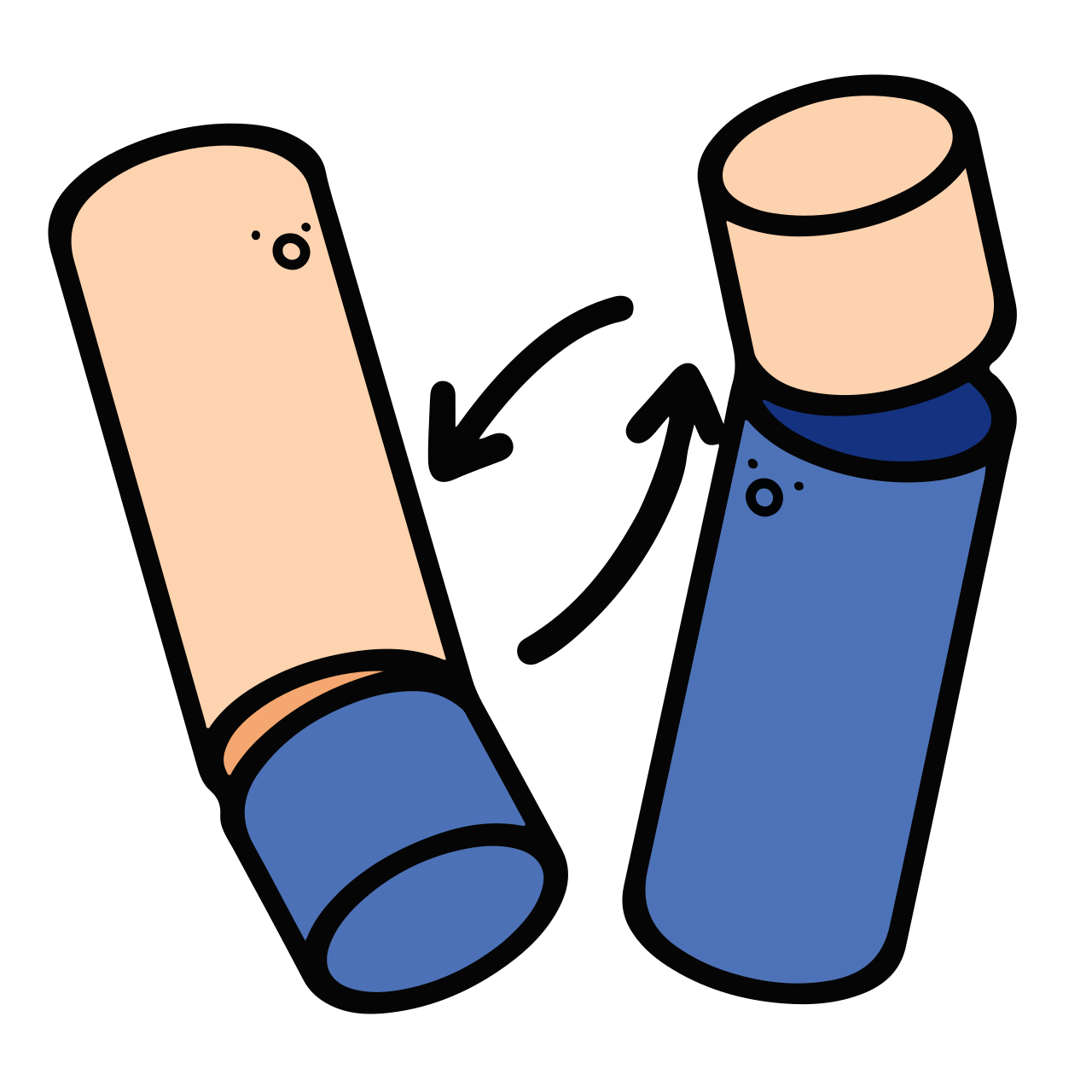
Chromosomal abnormalities can be numerical, such as aneuploidy (missing or extra chromosomes) or polyploidy (more than two sets). Aneuploidy often arises from meiosis segregation errors like nondisjunction, particularly in oocyte formation. Examples include trisomy 21 (Down syndrome) and monosomy X (Turner syndrome). Structural abnormalities result from breakage and improper realignment, including deletions, duplications, insertions, inversions, translocations, rings, and isochromosomes. Balanced rearrangements, such as reciprocal or Robertsonian translocations, may be harmless if no genetic material is lost or gained.
Reader's Guide
Chromosomal abnormalities are significant because they underlie many genetic disorders and can affect development, health, and cancer risk. Numerical abnormalities like aneuploidy are common causes of developmental disorders and pregnancy loss. Structural abnormalities, including deletions and duplications, lead to conditions such as Wolf–Hirschhorn syndrome and Charcot–Marie–Tooth disease. Balanced rearrangements may be harmless but can cause issues in offspring. Extrachromosomal DNA (ecDNA), formed via chromothripsis, can drive massive oncogene expression in cancer and is associated with poor outcomes. Chromosome instability syndromes increase malignancy risk. Inheritance patterns include autosomal dominant, autosomal recessive, X-linked, and mitochondrial inheritance. De novo mutations also occur. Understanding these abnormalities aids in diagnosis, genetic counseling, and research into disease mechanisms.
Did You Know?
- Down syndrome is caused by an extra copy of chromosome 21, also called trisomy 21.
- Turner syndrome involves monosomy of the X chromosome, with only one sex chromosome present.
- Robertsonian translocation typically occurs between chromosomes 13, 14, 15, 21, and 22 in humans.
- Exposure to tobacco smoking and occupational hazards like benzene can increase the risk of aneuploid spermatozoa.
Gallery
More in Genetics 1-24
Spotted an error? Know more?
This is a living reference — every entry is fact-audited, and reader corrections feed straight into our audit queue. Suggest an edit · See this site's audit record