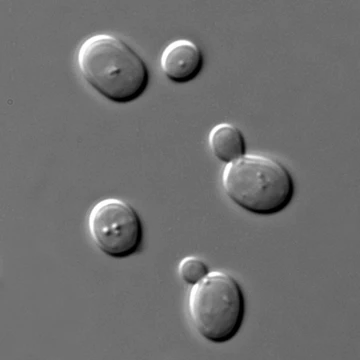
Cryptococcus neoformans
Encapsulated yeast causing cryptococcosis, especially in immunocompromised hosts.

Cryptococcus neoformans is an encapsulated basidiomycetous yeast belonging to the class Tremellomycetes. It is an obligate aerobe that can live in both plants and animals, and its teleomorph is a filamentous fungus formerly referred to as Filobasidiella neoformans. The yeast is notable for causing cryptococcosis, a disease primarily affecting immunocompromised hosts such as HIV or cancer patients, though it can also cause disease in apparently immunocompetent hosts, especially in developed countries. Its remarkable genomic plasticity and genetic variability between strains make treatment difficult.
Quick Facts
- Genus
- Cryptococcus (fungus)
- Species
- neoformans
Facts from the source article.
Lore & Background
Cryptococcus neoformans has undergone numerous nomenclature revisions since its first description in 1895. It formerly contained two varieties: C. neoformans var. neoformans and C. neoformans var. grubii. A third variety, C. neoformans var. gattii, was later defined as a distinct species, Cryptococcus gattii. The most recent classification system divides these varieties into seven species, with C. neoformans now referring to C. neoformans var. grubii, and a new species name, Cryptococcus deneoformans, used for the former C. neoformans var. neoformans. The teleomorph was first described in 1975 by K.J. Kwon-Chung, who obtained cultures of Filobasidiella neoformans by crossing strains of the yeast C. neoformans. Following changes to the International Code of Nomenclature for algae, fungi, and plants, the practice of giving different names to teleomorph and anamorph forms was discontinued, making Filobasidiella neoformans a synonym of Cryptococcus neoformans.
The genus name Cryptococcus comes from Ancient Greek κρυπτός (kruptós), meaning 'hidden', and κόκκος (kókkos), meaning 'grain'. The specific name neoformans comes from Latin neo-, meaning 'new', and fōrmāns, meaning 'shaping'. The yeast typically grows as a unicellular organism and replicates by budding. It makes hyphae during mating and eventually creates basidiospores. Under host-relevant conditions, cells produce a characteristic polysaccharide capsule. The capsule can be visualized using India ink stain in cerebral spinal fluid, appearing as a clear halo around the cells. The first genome sequence for a strain of C. neoformans (var. neoformans; now C. deneoformans) was published in 2005. Studies suggest that colonies of C. neoformans and related fungi growing within the ruins of the Chernobyl Nuclear Power Plant may be able to metabolize ionizing radiation.
Reader's Guide
Cryptococcus neoformans is significant as a major cause of cryptococcosis, particularly cryptococcal meningitis, which causes more than 180,000 deaths annually and is a critical priority on the World Health Organization fungal prioritization. Infection occurs primarily through inhalation of aerosolized basidiospores or dehydrated fungal cells, entering the host through the respiratory route. The fungus is a facultative intracellular pathogen that can utilize host phagocytes to spread within the body, and it was the first intracellular pathogen for which the non-lytic escape process termed vomocytosis was observed. Its virulence factors include the polysaccharide capsule, melanin production, and urease, which facilitates intracellular survival by neutralizing the acidic environment of the phagolysosome. The fungus can undergo a meiotic process called monokaryotic fruiting, which may promote recombinational repair in the oxidative, DNA-damaging environment of host macrophages, contributing to its virulence. Cryptococcal meningitis is most often fatal when left untreated, and the vast majority of environmental and clinical isolates are mating type alpha. A study from 2024 done in Australia and New Zealand showed the vast majority of recorded infections were in patients whose immune systems were compromised by HIV, cancer treatment, organ transplantation, or other conditions.
More in Yeasts 1-24
Spotted an error? Know more?
Reader corrections go straight into our review queue. Suggest an edit · How this site is sourced