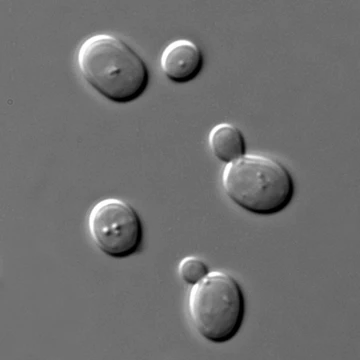
Aureobasidium namibiae
A black yeast-like fungus from Namibia, redefined by genomics.

Aureobasidium namibiae is a ubiquitous black, yeast-like fungus originally described as a variety of Aureobasidium pullulans. It was established as a distinct species following genomic sequencing that revealed large differences among the four former varieties of A. pullulans. The species is notable for its tolerance to salt and its genome containing numerous genes for carbohydrate degradation, proteases, and potential plastic-degrading enzymes.
Quick Facts
- Genus
- Aureobasidium
- Species
- namibiae
Facts from the source article.
Lore & Background
Aureobasidium namibiae was originally classified as Aureobasidium pullulans var. namibiae, based on a single strain isolated from dolomitic marble in Namibia, which gives the species its name. The species was elevated when the genomes of the four former varieties of Aureobasidium pullulans were sequenced and the large differences between them were discovered. The fungus tolerates up to 10% NaCl and grows between 10 °C and 30 °C. On malt extract agar, colonies grow to an average of 25 mm in 7 days at 25 °C, appearing smooth and shiny due to a leathery structure, with an apricot reverse. Aerial mycelium is absent, and both mycelium and yeast-like cells are frequently present.
Reader's Guide
The significance of Aureobasidium namibiae lies in its genomic features and the context of its reclassification. Its genome, along with those of closely related species, contains unusually high numbers of genes for extracellular enzymes for carbohydrate degradation (CAZy) and proteases, MFS membrane sugar transporters, and alkali metal cation transporters. Genes presumably involved in the synthesis of the biotechnologically important polysaccharide pullulan and siderophores were found, but the gene for antibiotic Aureobasidin A could not be identified. Additionally, genes possibly associated with the degradation of plastic and aromatic compounds are present. However, due to the relatively recent redefinition of the species, most published work does not yet distinguish between the new species belonging to the previously recognised A. pullulans species complex, so it is not clear to what extent existing knowledge is valid for A. namibiae. This uncertainty underscores the need for further targeted research.
Did You Know?
- Aureobasidium namibiae was originally a variety of Aureobasidium pullulans.
- Its species name derives from Namibia, where the sole strain was isolated from dolomitic marble.
- The species tolerates up to 10% NaCl in growth media.
- Its genome lacks the gene for antibiotic Aureobasidin A but contains genes possibly linked to plastic degradation.
More in Yeasts 1-24
Spotted an error? Know more?
Reader corrections go straight into our review queue. Suggest an edit · How this site is sourced