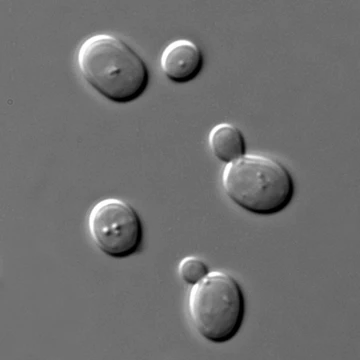
Aureobasidium melanogenum
A black yeast-like fungus with high melanin and pullulan production.

Aureobasidium melanogenum is a black, yeast-like fungus found widely in freshwater environments. It was once considered a variety of *Aureobasidium pullulans*, but genome sequencing of the four former varieties of *A. pullulans* revealed large genetic differences, leading to the establishment of *A. melanogenum* as a separate species. The name reflects its heavy production of melanin, which accumulates in cell walls and gives colonies and individual cells a dark green, brown, or black color. Some strains of this species cause human infections; these were previously classified under *A. pullulans*.
The fungus tolerates salt concentrations up to 10% and grows between 10 °C and 35 °C. On malt extract agar at 25 °C, colonies typically reach 25 mm in diameter within seven days, appearing smooth and slimy due to abundant spore formation and the production of extracellular polysaccharides (EPS). After two weeks, colonies turn green to black as melanin is produced. This melanin is generated during the synthesis of pullulan, a polysaccharide that contributes to biofilm formation. Aerial mycelium is usually absent, though exceptions occur, and both mycelium and yeast-like cells are often present.
The genome of *A. melanogenum*—like those of its close relatives—contains an unusually high number of genes for extracellular enzymes that break down carbohydrates (CAZy enzymes) and proteases, as well as genes for MFS membrane sugar transporters and alkali metal cation transporters. Genes likely involved in producing pullulan and siderophores have been identified, but the gene for the antibiotic aureobasidin A has not been found. The genome also includes genes possibly linked to the degradation of plastics and aromatic compounds.
Because the species was only recently redefined, most published research does not yet distinguish it from other species in the former *A. pullulans* complex. As a result, it remains unclear how much of that existing knowledge applies specifically to *A. melanogenum*.
Quick Facts
- Genus
- Aureobasidium
- Species
- melanogenum
Facts from the source article.
Lore & Background
Formerly known as Aureobasidium pullulans var. melanogenum, this species was established when the genomes of the four former varieties of Aureobasidium pullulans were sequenced and large differences between them were discovered. It is named for its abundant melanin production and accumulation in cell walls. The species tolerates up to 10% NaCl and grows between 10 °C and 35 °C. Colonies on malt extract agar average 25 mm in 7 days at 25 °C, appearing smooth and slimy due to abundant sporulation and extracellular polysaccharide (EPS) formation; in two weeks they become green to black from melanin. Melanin is produced during pullulan production, a polysaccharide partly responsible for biofilm formation. Aerial mycelium is generally absent, though exceptions occur, and both mycelium and yeast-like cells are frequently present.
Reader's Guide
The genome of Aureobasidium melanogenum contains unusually high numbers of genes for extracellular enzymes for carbohydrate degradation (CAZy) and proteases, MFS membrane sugar transporters, and alkali metal cation transporters. Genes presumably involved in the synthesis of the biotechnologically important polysaccharide pullulan and siderophores were found, but the gene for antibiotic Aureobasidin A could not be identified. Genes possibly associated with the degradation of plastic and aromatic compounds are also present. Due to the relatively recent redefinition of the species, most published work does not yet distinguish between the new species belonging to the previously recognised Aureobasidium pullulans species complex, so it is not clear to what extent existing knowledge is valid for A. melanogenum. This uncertainty underscores the need for further study to clarify its specific traits and potential applications.
Did You Know?
- Aureobasidium melanogenum was formerly classified as a variety of Aureobasidium pullulans.
- It produces melanin during the production of pullulan, a polysaccharide involved in biofilm formation.
- The species includes strains that cause human infections, previously classified as Aureobasidium pullulans.
More in Yeasts 1-24
Spotted an error? Know more?
Reader corrections go straight into our review queue. Suggest an edit · How this site is sourced