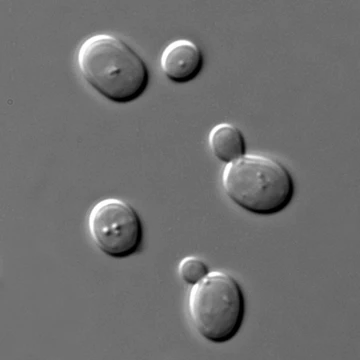
Aureobasidium subglaciale
A cold-adapted black yeast with biocontrol and biotechnological potential.

Aureobasidium subglaciale is a black yeast-like, extremophile, ascomycete fungus found in extreme cold habitats. It was originally isolated from subglacial ice of arctic glaciers and is specifically known for its capability to grow and reproduce at low temperatures. The species was previously classified under the species complex Aureobasidium pullulans, but genomic data justified its distinction as a separate species.
Quick Facts
- Genus
- Aureobasidium
- Species
- subglaciale
Facts from the source article.
Lore & Background
Aureobasidium subglaciale was originally classified within the Aureobasidium pullulans species complex, but genomic differences between the four varieties of the complex were found to be larger than those between Saccharomyces cerevisiae and three of its closest relatives, justifying the distinction of four separate species. The name subglaciale refers to the fungus being primarily found in subglacial ice. The first isolate was obtained from subglacial ice of the Norwegian island Spitsbergen, one of the coldest places inhabited by humans. Phylogenetic analyses place the genus Aureobasidium closely related to Kabatiella, a genus known for causing eyespot on leaves. Morphologically, A. subglaciale has hyaline, smooth, thin-walled hyphae 2-10 μm wide, sometimes developed in conidiophore-like clusters. Hyaline to dark brown conidia are produced from small denticles in dense groups and are extremely variable in size, often with an indistinct hilum. Conidia budding can be seen abundantly. In culture, the species grows well between 4°C and 25°C and tolerates 10% NaCl concentrations. Colonies on MEA/PDA media at 25°C attain 20 mm diameter after seven days with abundant sporulation.
Reader's Guide
Aureobasidium subglaciale is notable for its potential economic value as a biocontrol agent for post-harvest rot pathogens, particularly because its ability to grow at low temperatures makes it suitable for refrigerated conditions. Studies have shown that A. subglaciale strains outperform other Aureobasidium strains in reducing Botrytis cinerea (grey mold) on tomatoes, and on apples it reduced necrosis from Colletotrichum acutatum and B. cinerea by 74.4% and 71.6% respectively at 10°C. The species also shows promise as a bifunctional biocatalyst, efficiently transforming acetophenone to phenol via Baeyer-Villiger oxidation at low temperatures. Its ability to produce siderophores—compounds with high affinity to bind iron—may help it outcompete plant pathogens in iron-limited environments. However, because the species was only recently distinguished from the A. pullulans complex, much current research does not make the distinction, and knowledge of A. subglaciale specifically is limited. Isolates are rare and difficult to obtain from the environment, slowing research progress. The species tolerates high salinity, radiation contamination, high heavy metal concentrations, and high UV radiation, with stress-tolerance mechanisms including intracellular glycerol accumulation in response to salinity and trehalose production linked to radiation resistance.
Did You Know?
- Aureobasidium subglaciale was originally classified under the Aureobasidium pullulans species complex before genomic data justified its distinction as a separate species.
- The first isolate of A. subglaciale was obtained from subglacial ice of the Norwegian island Spitsbergen.
- A. subglaciale reduces necrosis on apples from Colletotrichum acutatum and Botrytis cinerea by 74.4% and 71.6% respectively at 10°C.
- The species produces both yellow hydroxamate and pink catechol siderophores; the only other known producer of catecholate siderophores is Penicillium bilaii.
More in Yeasts 1-24
Spotted an error? Know more?
Reader corrections go straight into our review queue. Suggest an edit · How this site is sourced