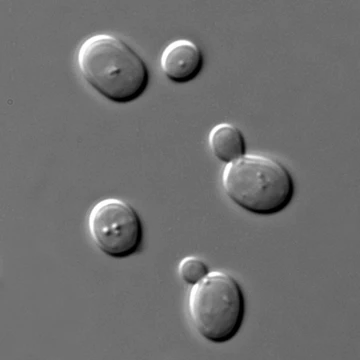
Clavispora lusitaniae
A yeast species first identified as a human pathogen in 1979.

Clavispora lusitaniae, also referred to by its anamorph name *Candida lusitaniae*, is a yeast species that belongs to either the *Candida* or *Clavispora* genus. The name *Clavispora lusitaniae* is the teleomorph (sexual stage) designation. It was first recognized as a cause of human disease in 1979.
Initially considered a rare source of bloodstream infections, fewer than 30 cases were documented from 1979 through 1990. However, the number of reported candidemia cases linked to this organism has risen sharply over the past two decades. Risk factors include bone marrow transplantation and high-dose cytoreductive chemotherapy, which often leave patients neutropenic for long periods and vulnerable to both bacterial and fungal infections, including those caused by *Candida*. One study found that between 1998 and 2013, *C. lusitaniae* accounted for 19% of all breakthrough fungemia cases in cancer patients. Some researchers suggest that the widespread use of Amphotericin B as an empiric antifungal therapy may select for infections by this species.
The U.S. CDC has warned that using the teleomorph name *Clavispora lusitaniae* can be misleading, because it omits the word *Candida* even though the organism is indeed a *Candida* species.
Quick Facts
- Genus
- Clavispora
- Species
- lusitaniae
Facts from the source article.
Lore & Background
Clavispora lusitaniae was initially described as a rare cause of fungemia, with fewer than 30 cases reported between 1979 and 1990. However, there has been a marked increase in the number of recognized cases of candidemia due to this organism in the last two decades. Bone marrow transplantation and high-dose cytoreductive chemotherapy have both been identified as risk factors for infections with this organism. These patients are often neutropenic for extended periods of time, leaving them susceptible to bacterial and fungal infections, including Candidal infections. A study found that C. lusitaniae was responsible for 19% of all breakthrough fungemia infections in cancer patients between 1998 and 2013. Some investigators have theorized that the widespread use of Amphotericin B empiric antifungal therapy selects for infections with Candida lusitaniae.
Reader's Guide
The significance of Clavispora lusitaniae lies in its emergence as a notable opportunistic pathogen, particularly in immunocompromised patients. Initially considered a rare cause of fungemia with fewer than 30 cases reported between 1979 and 1990, its recognized incidence has markedly increased in the last two decades. The species is strongly associated with bone marrow transplantation and high-dose cytoreductive chemotherapy, which leave patients neutropenic and vulnerable. A study documented that C. lusitaniae accounted for 19% of all breakthrough fungemia infections in cancer patients between 1998 and 2013, underscoring its growing clinical relevance. Some investigators have theorized that the widespread use of Amphotericin B empiric antifungal therapy may select for infections with this organism. The U.S. CDC has cautioned that using the teleomorph name Clavispora lusitaniae can be misleading because it does not include the word Candida, even though the organism is indeed a species of Candida. This naming issue reflects ongoing taxonomic and clinical communication challenges.
Did You Know?
- Clavispora lusitaniae was first identified as a human pathogen in 1979.
- Fewer than 30 cases were reported between 1979 and 1990.
More in Yeasts 1-24
Spotted an error? Know more?
Reader corrections go straight into our review queue. Suggest an edit · How this site is sourced