Vseslav of Polotsk
Prince of Polotsk, brief Grand Prince of Kiev, reputed sorcerer.

Vseslav Bryachislavich (c. 1029 – 24 April 1101), often called Vseslav the Sorcerer or Vseslav the Seer, ruled as Prince of Polotsk from 1044 until his death, and held the title of Grand Prince of Kiev for about seven months in 1068–1069. He formed a coalition with Rostislav Vladimirovich and the voivode Vyshata to oppose the three sons of Yaroslav. The Cathedral of Holy Wisdom in Polotsk, finished in the mid-11th century, remains a key monument from his reign and is the oldest surviving stone building in Belarus.
Vseslav was born around 1029–1030 in Polotsk, the son of Bryachislav Izyaslavich, Prince of Polotsk and Vitebsk. Through his father, he was a great-grandson of Vladimir I of Kiev and Rogneda of Polotsk. He was baptized with the name Vasilii and married about 1060. Upon his father’s death in 1044, he became prince of Polotsk. Although by 1093 he was the oldest living member of the Rurik dynasty in his generation, he was considered an izgoi—excluded from the grand princely line—because his father had never ruled in Kiev. Since he was the only major Rus prince not descended from Yaroslav, historians Simon Franklin and Jonathan Shepard describe him as “an outsider from within.”
Unable to take Kiev, held by Yaroslav’s three sons, Vseslav began raiding the northern parts of Kievan Rus. In 1065 he besieged Pskov but was repelled. During the winter of 1066–1067, he sacked and burned Novgorod the Great, stripping its Cathedral of Holy Wisdom of its bell and religious objects, which he took to adorn his own cathedral of the same name in Polotsk. This attack threatened to cut off the Yaroslavichi in the Middle Dnieper from Scandinavia, the Baltic, and the far north—key sources of manpower, trade, and goods like furs. It also forced the young prince Mstislav, then ruling in Novgorod, to flee to his father Iziaslav in Kiev, a direct insult to the grand prince. The three Yaroslavichi united, marched north, sacked Minsk (then under Polotsk’s control), and defeated Vseslav at the Battle of the Nemiga River on March 3, 1067. Vseslav escaped but was captured treacherously during peace talks in June, when Iziaslav broke his oath. He was imprisoned in Kiev.
In 1068, after a defeat by the Kipchaks on the Alta River and Iziaslav’s refusal to arm the city assembly (the veche) for a second fight, the people of Kiev revolted.
Quick Facts
- Succession
- Grand Prince of Kiev
- Reign
- September 1068 – April 1069
- Full Name
- Vseslav Bryachislavich
- Predecessor
- Iziaslav I
- Issue
- Gleb Vseslavich
- Issue Link
- #Family
- Issue Pipe
- more...
- House
- Rurik
- House Type
- Dynasty
- Father
- Bryachislav of Polotsk
- Birth Date
- 1029
- Birth Place
- Polotsk
Facts from the source article.
Lore & Background
Vseslav was the son of Bryachislav Izyaslavich, Prince of Polotsk and Vitebsk, and great-grandson of Vladimir I of Kiev and Rogneda of Polotsk. He took the throne of Polotsk in 1044 upon his father's death. Because his father had not been prince in Kiev, Vseslav was excluded from the grand princely succession and considered an outsider among the Rurikids. In 1065 he laid siege to Pskov but was thrown back. In the winter of 1066–1067 he pillaged and burnt Novgorod the Great, removing the bell and other religious objects from its Cathedral of Holy Wisdom to decorate his own cathedral in Polotsk. The Yaroslavichi joined forces, sacked Minsk, and defeated Vseslav on the Nemiga River on March 3, 1067. He was treacherously captured during peace talks in June and imprisoned in Kiev.
During the Kiev Uprising of 1068, the crowd freed Vseslav from prison and proclaimed him grand prince of Kiev, forcing Iziaslav to flee to Poland. After seven months, Iziaslav returned with an army and retook the throne, and Vseslav fled back to Polotsk. He finally secured Polotsk in 1071. During the last 30 years of his reign, his chief enemies were Vsevolod Yaroslavich and Vsevolod's son Vladimir Monomakh. Vseslav died on April 24, 1101, and was buried in the Cathedral of Holy Wisdom in Polotsk.
Reader's Guide
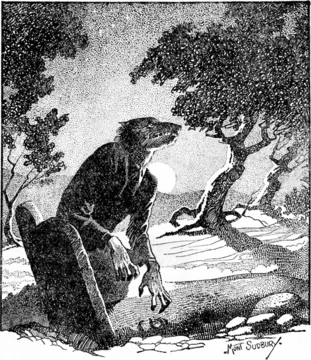
Vseslav of Polotsk is significant as a major Rurikid prince who challenged the Yaroslavichi triumvirate and briefly held the grand princely throne of Kiev during the 1068 uprising. His reign saw the completion of Polotsk's Cathedral of Holy Wisdom, the oldest stone building in Belarus and a lasting architectural monument. His reputation for sorcery—stemming from chronicle accounts of his birth with a caul and his depiction as a werewolf in The Tale of Igor's Campaign—made him a legendary figure in East Slavic folklore. He may also be the basis for the bogatyr Volkh Vseslavich in byliny. His attack on Novgorod and removal of its cathedral bell underscored his ambition and the inter-princely strife that weakened the Rus lands. His descendants, the Vseslaviches, continued to rule in Polotsk and its appanages, and his granddaughter Euphrosyne of Polotsk became a saint. Vseslav's legacy thus blends historical rule, architectural patronage, and enduring myth.
Did You Know?
- Vseslav was born with a caul on his head, which sorcerers told his mother to bind to his head for good luck.
- He pillaged Novgorod in 1066–1067 and removed the bell from its Cathedral of Holy Wisdom to decorate his own cathedral in Polotsk.
- He was proclaimed Grand Prince of Kiev during the 1068 uprising but fled back to Polotsk after seven months.
- The Tale of Igor's Campaign depicts Vseslav as a werewolf who could hear the church bells of Polotsk from Kiev.
More in Werewolves 1-24
Spotted an error? Know more?
Reader corrections go straight into our review queue. Suggest an edit · How this site is sourced