Manuel Blanco Romasanta
Spain's first recorded serial killer who claimed lycanthropy.

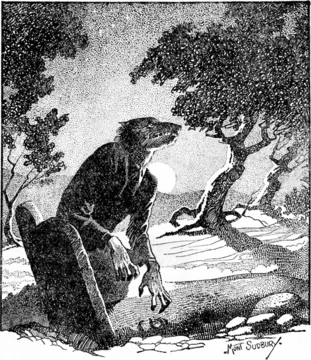
Manuel Blanco Romasanta, born on 18 November 1809 and died 14 December 1863, is recognized as Spain’s first documented serial killer. He confessed to thirteen murders but argued he was not accountable because a curse transformed him into a wolf. The court rejected this defense, yet Queen Isabella II commuted his death sentence to allow medical study of his case as a possible instance of clinical lycanthropy, following a petition from the Royal Academy of Medicine and the Queen's intervention. In Spanish folklore, he is remembered as the Werewolf of Allariz and also called the Tallow Man, a name derived from his practice of boiling down his victims’ fat to produce high-quality soap.
Blanco was small, standing between 1.37 and 1.49 meters tall, with blond hair and a gentle appearance. He worked as a dressmaker and married, but his wife died a year later without suspicion falling on him. After her death in 1833, he became a traveling salesman, first in Esgos and later across Galicia and Portugal. He also guided travelers through the mountains to Castile, Asturias, and Cantabria, which gave him more chances to trade. In 1843, he was charged with killing Vicente Fernández, a local official in León, who had been sent to collect a debt of 600 reales Blanco owed. When Blanco failed to appear, he was convicted in absentia and sentenced to ten years in prison for theft.
To avoid imprisonment, Blanco hid for nearly a year in an abandoned shelter in Ermida. He then reappeared with a false passport under the name Antonio Gómez, claiming to be from Nogueira, Portugal, and lived in the village of Rebordechao for at least a year. There he helped with harvests and worked as a cook, coir maker, and weaver. He became friendly with local women, which made the men consider him effeminate. Over the following years, several women and children who hired him as a guide vanished. Their disappearances went unnoticed at first because Blanco sent letters to their families saying they had arrived safely. Suspicion grew when he began selling their clothing locally, and rumors spread that he was selling soap made from human fat.
In 1852, a complaint was filed in Escalona accusing Blanco of tricking women and children into traveling with him, killing them, and removing their fat to sell. He was arrested in September 1852 in Nombela, Toledo, and brought to trial in Allariz, Ourense.
Quick Facts
- Birth Name
- Manuela Blanco Romasanta
- Birth Date
- 18 November 1809
- Birth Place
- Regueiro, Esgos, Ourense, Galicia, Spain
- Death Date
- 14 December 1863 · 1809 · 11 · 18
- Death Place
- Ceuta, Spain
- Other Names
- Werewolf of Allariz / Fat Extractor
- Victims
- 9 confirmed / 13 confessed / 20+ suspected
- Conviction
- Murder x9
- Years Active
- 1844–1852
- Conviction Penalty
- Death by garrotte (commuted to life imprisonment)
- Occupation
- Dressmaker / traveling salesman
Facts from the source article.
Lore & Background
Blanco was of small stature, between 1.37 and 1.49 m tall, blonde, and 'tender looking.' He worked as a dressmaker and was widowed a year after marriage. Following his wife's death in 1833, he became a travelling salesman in Galicia and Portugal, and also acted as a guide for travellers crossing mountains. In 1843, he was charged with murdering Vicente Fernández, an alguacil, after failing to pay a debt; sentenced in absentia to 10 years for theft, he fled and lived in hiding. He reappeared with a false passport as Antonio Gómez, working as a cook, coir maker, and weaver. Over the following years, several women and children who hired him as a guide disappeared; he sent letters to their families claiming they had arrived safely, but sold their clothing locally.
Reader's Guide
Blanco's trial, Cause Nº 1778 The Wolfman, is unique in Spanish legal history for its claim of lycanthropy. He admitted to thirteen murders but said he transformed into a wolf after being cursed. The prosecutor asked him to demonstrate the transformation; Blanco replied the curse lasted only thirteen years and had expired. Doctors presented a phrenology-based report accusing him of inventing the affliction, finding him a pervert acting with free will. The court acquitted him of four murders (victims died in real wolf attacks) and convicted him of nine. Sentenced to death by garrote, the sentence was reduced to life imprisonment, then reinstated. Queen Isabella II commuted it to life imprisonment after a French hypnotist, Mr. Phillips (believed to be Joseph-Pierre Durand de Gros), wrote that Blanco suffered from monomania and could be treated. Blanco died in 1863, likely in Ceuta prison. His case occurred at the beginning of the golden age of hypnotism and influenced later thinkers like Freud and Jung.
Did You Know?
- Blanco was born as Manuela and was known as The Tallow Man for rendering victims' fat into soap.
- He claimed he transformed into a wolf after rolling over three times in the mountains of Couso.
- The court acquitted him of four murders because forensic evidence showed those victims died in real wolf attacks.
- Queen Isabella II commuted his death sentence after a French hypnotist named Mr. Phillips wrote to the Minister of Justice.
Life Before the Crimes
Manuel Blanco Romasanta, born Manuela on 18 November 1809, was a small, blonde man of tender appearance, standing between 4 ft 6 in and 4 ft 11 in. As a young adult he worked as a dressmaker and married, but his wife died in 1833 and he was never suspected of involvement in her passing. He reinvented himself as a travelling salesman, first in Esgos and then across Galicia and into Portugal. He also offered his services as a mountain guide for travellers heading toward Castile, Asturias, and Cantabria, a role that gave him both income and access to isolated routes. In 1844 his first recorded criminal charge surfaced: the murder of Vicente Fernández, the alguacil of León, who had been collecting a 600-real debt Blanco owed to a Ponferrada supplier. Blanco never appeared for trial, was convicted in absentia, and received a ten-year prison sentence. Rather than serve it, he vanished into hiding for nearly a year in an abandoned shelter at Ermida before re-emerging under the false identity of Antonio Gómez, a supposed native of Nogueira in Portugal.
The Disappearances and the Soap Trade
After settling in the small village of Rebordechao in the Vilar de Barrio district, Blanco took on varied manual work—helping with harvests, cooking, making coir, and spinning yarn on a wheel. He cultivated friendships with the village women, a closeness that led local men to label him effeminate. Over the years that followed, women and children who hired him as a mountain guide simply vanished. The disappearances went unremarked for a time because Blanco carefully wrote letters to the victims' families, reassuring them that their loved ones had arrived safely at their destinations and were settling in. Suspicion finally took root when villagers noticed him selling clothing that belonged to the missing, and rumours began circulating that he was rendering human fat into soap. In 1852 a formal complaint was lodged in Escalona, accusing him of luring women and children onto mountain paths only to kill them and harvest their fat for sale. He was arrested in September 1852 in Nombela, in the province of Toledo, and transported to Allariz in Ourense for trial.
The Wolf Defence and the Courtroom
Blanco's trial in Allariz unfolded during one of Galicia's worst nineteenth-century famines. The case, logged as Cause Nº 1778 in volume 36 of the Allariz court records, became unique in Spanish legal history because of its central defence: clinical lycanthropy. Blanco confessed to thirteen killings but insisted a curse had turned him into a wolf, absolving him of responsibility. He described his first transformation in the mountains of Couso, where he met two other wolves, collapsed in convulsions, and spent five days marauding before reverting to human form. When prosecutor Luciano Bastida Hernáez asked him to demonstrate the change for the court, Blanco replied that the thirteen-year curse had expired the previous week and he was now cured. Allariz doctors, relying heavily on phrenology, concluded in October 1852 that the affliction was invented, branding him a cool, collected pervert acting of his own free will. The court acquitted him of four murders where forensic evidence pointed to genuine wolf attacks but convicted him on the remaining nine, whose remains bore clear signs of butchering. On 6 April 1853 he was sentenced to death by garrote, with 1,000 real in compensation per victim, the transcript spanning five volumes titled "Licantropia".
The Tallow Man and Spanish Folklore
Blanco Romasanta's story transcended the courtroom and embedded itself in the cultural memory of Galicia and Spain. He is remembered in folklore as the Werewolf of Allariz, a figure who blurs the line between criminal and creature, and his nickname The Tallow Man—earned for rendering his victims' fat into high-quality soap—has become a grim byword in regional legend. His case remains singular in Spanish legal history: no other trial has centred on a claim of lycanthropy as a defence. After the Allariz verdict, the Territorial Court in A Coruña initially reduced his sentence to life imprisonment, but the prosecution's appeal and a March 1854 hearing restored the death penalty by garrote. Queen Isabella II then commuted the execution, not out of mercy for the killer, but to permit physicians to study his claimed condition as a documented case of clinical lycanthropy. That reprieve, however, did not save him; he was ultimately executed on 14 December 1863. As Spain's first recorded serial killer, Blanco occupies a place in the national imagination that no other criminal has filled, a small, blonde dressmaker turned mountain guide whose wolf's curse became the most extraordinary defence ever mounted in a Spanish court.
More in Werewolves 1-24
Spotted an error? Know more?
Reader corrections go straight into our review queue. Suggest an edit · How this site is sourced