Valais witch trials
First systematic witch-hunt in Europe, beginning in 1428.

The Valais witch trials were a series of witch trials and a witch-hunt that took place in the Valais region (the House of Savoy and the prince-bishopric of Sion), now part of Switzerland, beginning in 1428. They are considered the first systematic campaign of witch persecution in Europe, initiating the period of witch trials that would become widespread in the following decades. The trials started in French-speaking Lower Valais and spread to German-speaking Upper Valais and nearby valleys in the Western Alps, subsiding after six to eight years (c. 1434/6).
- Start year
- 1428
- End year
- c. 1434/6
- Region
- Valais (House of Savoy and prince-bishopric of Sion), today part of Switzerland
- Known for
- First systematic witch-hunt in Europe, initiating the period of witch trials
- Victims estimate
- hundreds, with more than 200 burned by c. 1430
- Gender ratio
- approximately two-thirds male, one-third female
Lore & Background
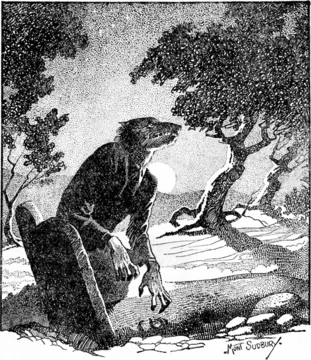
The Valais witch trials began in the valleys south of Siders and Sion, specifically Val d'Anniviers and Val d'Hérens, in 1428. By the summer of that year, the entire Valais was affected. On 7 August, authorities in Leuk issued a formal proclamation outlining trial procedures: public talk or slander by three or four neighbors was enough for arrest, and torture was reserved for those accused by five to ten qualified persons or by three already convicted witches. The main contemporary account is by Johannes Fründ of Lucerne, written around 1430, possibly at the request of Christoph von Silenen, castellan in Siders. Fründ's report describes accusations of murder, heresy, sorcery, and pact with the devil, who appeared as a black animal like a bear or ram. Victims were said to avoid mass and confession, and some confessed to causing lameness, blindness, madness, miscarriage, impotence, infertility, and killing and eating their own children. Fründ also mentions flying witches using a salve on chairs, witches' sabbaths in cellars, anti-Christian sermons by the devil, werewolves killing livestock, and an invisibility potion. The trials continued into the 1430s, with hundreds of victims; Fründ notes a conspiracy of '700' witches, of which 'more than 200' had been burned by about 1430. Unlike later European witch trials, about two-thirds of victims were male and one-third female.
Reader's Guide
The Valais witch trials are historically significant as the first systematic witch-hunt in Europe, marking the beginning of a period of widespread witch persecutions that would last for centuries. They emerged against the background of earlier Waldensian persecutions in Fribourg (1399–1430), which had established a functioning inquisition in Lausanne, and the political fragmentation of the Valais after the rebellion of 1415–1420. The trials spread from the Valais to Vaud, Fribourg, Neuchâtel, and beyond in the decades leading up to the Reformation. Their influence was amplified by the Council of Basel (1431–1437), where theologians discussed the new phenomenon of witchcraft and collected court proceedings from the Valais, Vaud, and Savoy region. These documents were used by early witchcraft authors such as Johannes Nider, who wrote Formicarius (1436–1438). The Valais trials thus helped shape the intellectual and legal framework for the much larger witch hunts of the 16th and 17th centuries in Western Europe. The trials also stand out for their gender ratio—about two-thirds male victims—contrary to the later predominance of female accused.
Did You Know?
- The Valais witch trials are the first systematic witch-hunt in Europe, beginning in 1428.
- The main contemporary account was written by Johannes Fründ of Lucerne around 1430.
- About two-thirds of the victims were male, unlike later European witch trials where most accused were women.
More in Werewolves 1-24
Spotted an error? Know more?
Reader corrections go straight into our review queue. Suggest an edit · How this site is sourced