Opel Vectra
Opel's mid-size family car spanning three generations from 1988 to 2008.
The Opel Vectra is a mid-size car (large family car) engineered and produced by the German automaker Opel from 1988 until 2008. It was available in saloon, hatchback and estate body styles, and was also sold by Vauxhall in the United Kingdom, by Holden in Australia, and by Chevrolet in Latin America. The Vectra replaced the Opel Ascona in October 1988 and was itself replaced by the Opel Insignia in November 2008, spanning three generations and almost twenty-one years.
Quick Facts
- Manufacturer
- Opel (General Motors)
- Aka
- Chevrolet Vectra · Holden Vectra · Vauxhall Cavalier (1988–1995) · Vauxhall Vectra (1995–2008)
- Production
- October 1988 – July 2008
- Class
- Large family car (D-segment)
- Layout
- Front-engine, front-wheel-drive/four-wheel-drive
- Predecessor
- Opel Ascona · Vauxhall Cavalier · Holden Camira / Holden Apollo (Holden Vectra)
- Successor
- Opel Insignia
Facts from the source article.
Lore & Background
The first generation Vectra, known as the Vectra A, was introduced in October 1988 for the 1989 model year as a four-door notchback saloon. A five-door hatchback arrived in March 1989, and a coupé based on the Vectra, called the Calibra, was introduced at the end of that year. Both cars were designed by Wayne Cherry. The Vectra name was coined by Manfred Gotta. In the United Kingdom, Vauxhall initially retained the Cavalier nameplate for the Vectra A, retiring it only with the introduction of the Vectra B in October 1995. The Vectra A received a facelift in September 1992, with new front grilles and a black plastic strip above the rear taillamps, along with structural upgrades for improved crashworthiness. Airbags became available from 1993.
The second model, the Vectra B, was introduced in October 1995 for the 1996 model year at the Frankfurt Motor Show. It included an estate version for the first time, premiering in September 1996. The Vauxhall-badged Vectra B was the last Vauxhall produced at the company's Luton plant, where car production finished in March 2002. The Vectra B received a facelift in February 1999, with single-piece headlight units and body-coloured bumpers, along with improved handling and equipment. Limited edition models included the i500, ST200, Super Touring and GSi. The ST200, developed and built by MSD in Milton Keynes, had power increased to 200 PS; only 38 were produced.
Reader's Guide
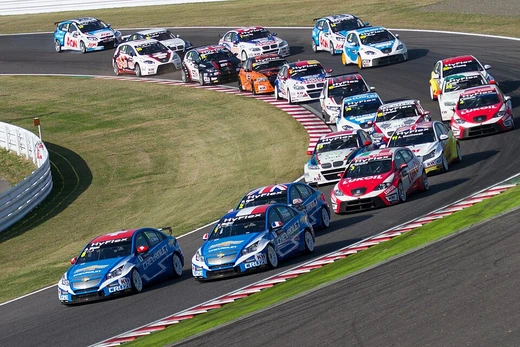
The Opel Vectra served as Opel's core mid-size family car for two decades, replacing the Ascona and eventually giving way to the Insignia. Its significance lies in its broad market presence across multiple continents under various marques—Opel in Europe, Vauxhall in the UK, Holden in Australia, and Chevrolet in Latin America—making it a truly global model. The Vectra A introduced the nameplate and established the platform that also spawned the Calibra coupé. The Vectra B brought an estate variant for the first time since the Ascona A, and its production at Luton marked the end of Vauxhall car manufacturing at that site. The Vectra also had a presence in motorsport: a 4x4 turbo version of the Vectra A was used as the Safety Car in Formula One at the San Marino Grand Prix, and the Vectra B served as a basis for touring car racing. Its legacy is that of a workhorse family car that adapted to different markets and regulations, from small-displacement engines in Italy to V6 power in later models, and from front-wheel drive to four-wheel drive variants.
Did You Know?
- The Vauxhall-badged Vectra B was the last Vauxhall car produced at the Luton plant.
- Only 38 ST200 limited edition Vectra B models were produced.
More in Touring Cars 1-24
Spotted an error? Know more?
Reader corrections go straight into our review queue. Suggest an edit · How this site is sourced