Kleefstra syndrome
A rare genetic disorder with intellectual disability and distinctive facial features.
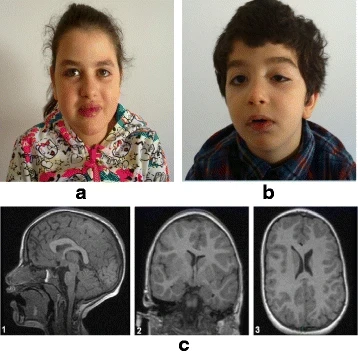
Kleefstra syndrome, also referred to as 9q34 deletion syndrome, is a rare genetic disorder characterized by childhood hypotonia, distinctive facial features, and intellectual disability. Most affected individuals have moderate to severe intellectual disability, though a minority exhibit mild delays with low-normal IQ scores. The condition is caused by disruptions in the EHMT1 gene, which encodes a histone methyltransferase important for regulating gene expression.
Quick Facts
- Causes
- Genetics.
- Named after
- Tjitske Kleefstra
Facts from the source article.
Did You Know?
- Management involves a multidisciplinary team including speech therapists, physiotherapists, occupational therapists, and a neurologist.
- There is currently no cure, but research is exploring gene therapy and pharmacological interventions to modulate gene expression.
- Fewer than 200 cases have been reported worldwide.
Genetics
Most documented cases of Kleefstra syndrome arise de novo, though one hereditary case has been reported in which a mother carrying an EHMT1 point mutation transmitted it to her child. In that instance, the mother's phenotype exhibited tissue-specific mosaicism for the mutation NM_024757.4:c.2712+1G>A, which caused skipping of exon 18 and, in another transcript, insertion of an intron between exons 18 and 19. Earlier research suggested that disease severity correlated with the number of EHMT1 deletions, but more recent studies indicate that a non-functional EHMT1 gene—whether through deletion or mutation—can produce the condition.
Diagnosis
Diagnostic testing may be performed at birth or in early childhood using fluorescence in situ hybridization (FISH), multiplex ligation-dependent probe amplification (MLPA), array comparative genomic hybridization (aCGH), or EHMT1 gene sequencing. FISH employs fluorescently labeled probes to detect chromosomal irregularities. MLPA uses polymerase chain reaction to identify DNA copy number changes. aCGH labels patient and reference DNA with fluorescent dyes and hybridizes them onto microarray slides to detect deletions and duplications. EHMT1 gene sequencing determines the precise nucleotide sequence of the gene by isolating its DNA and synthesizing complementary strands with DNA polymerase.
Research
A study in the American Journal of Human Genetics analyzed 23 patients with symptoms consistent with 9q34 deletion syndrome, focusing clinically on five individuals. The first patient developed epilepsy in early childhood and had persistent speech delays beyond age 8, along with midfacial hypoplasia and prominent lip and mouth features. The second had mild hypotonia without a family history of mitral regurgitation. The third, the oldest at 36, began walking at age 3, gained weight at age 11, and developed epilepsy in her late twenties. The fourth had early feeding difficulties and developmental delay. The fifth showed behavioral issues, mitral regurgitation, and was overweight. Three novel EHMT1 mutations were identified: one interstitial deletion, one nonsense mutation, and one frameshift mutation. Another study in the Journal of Medical Genetics extracted DNA from 40 patients, dividing them into a group of 16 with a 9q34 deletion and a group of 24 with typical FISH/MLPA results. Among the first group, six patients shared the same 700 kb deletion; in the second group, EHMT1 sequencing revealed six intragenic mutations. Researchers concluded these mutations may act as causative factors, and detailed behavioral, physical, and psychiatric features were documented.
More in Syndromes with Craniofacial Abnormalities
Spotted an error? Know more?
Reader corrections go straight into our review queue. Suggest an edit · How this site is sourced