Cohen syndrome
A rare genetic disorder with obesity, intellectual disability, and craniofacial features.
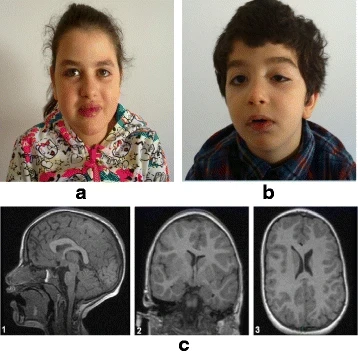
Cohen syndrome, also referred to as Pepper syndrome or Cervenka syndrome, is a very rare autosomal recessive genetic disorder with varied expression. It is characterized by obesity, intellectual disability, distinct craniofacial abnormalities, and potential ocular dysfunction.
Quick Facts
- Inheritance
- Autosomal recessive
- Known cases worldwide
- Less than 500
- Population groups reported
- Australia, New Zealand, the UK, the US
Facts from the source article.
Did You Know?
- Over the past several years, there have been approximately 50 new cases worldwide.
- It still seems to go undiagnosed, leaving the number of known cases less than 500.
- Population groups with this condition exist in Australia, New Zealand, the UK, and the US.
Signs and symptoms
Cohen syndrome commonly involves unusual eyelashes and eyelids, dental issues, a small or absent tongue, long fingers and toes, retinal degeneration, downward-slanting eye openings, overgrown gums, delayed development, a narrow high palate, underdeveloped upper jaw and cheekbones, low muscle tone, intellectual disability, very long eyelashes, a low hairline at the forehead, a small head and jaw, nearsightedness, speech problems tied to the nervous system, low white blood cell count, a frequently open mouth, a prominent nose bridge, a gap between the first and second toes, a short groove above the upper lip, thin toes, fingers that taper, and thick eyebrows. Additional common signs are unusual skin color, a high-pitched cry, curved pinky fingers, outward-turned elbows, reduced movement before birth, late puberty, poor growth and feeding trouble in infancy, fused fingers, knock knees, low birth weight, overly flexible joints, large teeth, narrow palms, obesity, short height, thick hair, and a weak cry.
Diagnosis
Diagnosing Cohen syndrome relies on clinical examination, though its variable features can make this challenging. While uncommon, eye issues like optic atrophy, microphthalmia, pigmentary chorioretinitis, hemeralopia, myopia, strabismus, nystagmus, and iris or retinal coloboma may occur. Individuals typically appear obese with slender arms and legs, often accompanied by a small jaw, short philtrum, and high-arched palate. Intellectual disability varies, and seizures or deafness sometimes appear.
Management
Early medical intervention can help address some symptoms of Cohen syndrome. Speech, physical, and occupational therapy may be useful for issues like joint overflexibility, developmental delays, low muscle tone, and motor clumsiness, though the need for each type of therapy varies from person to person. Diagnosis can be delayed because there is no definitive molecular test and because published cases show a wide range of symptoms. For severe nearsightedness, glasses are helpful. In cases of retinal degeneration, which cannot be corrected with glasses, training for the visually impaired is most effective when started young. Younger individuals often have normal vision that slowly worsens over time; if glasses improve vision, they should be worn to support concept development. Psychosocial support may also be beneficial. Many people with Cohen syndrome have neutropenia, a low count of neutrophils, which can increase the risk of infections. Granulocyte-colony stimulating factor (G-CSF) is a possible treatment for this condition. It is important to monitor weight gain and growth, and to schedule annual eye exams and blood tests. Although various treatments exist, there is no known cure for Cohen syndrome.
More in Syndromes with Craniofacial Abnormalities
Spotted an error? Know more?
Reader corrections go straight into our review queue. Suggest an edit · How this site is sourced