3q29 microdeletion syndrome
A rare genetic disorder with variable intellectual and physical features.
3q29 microdeletion syndrome is a rare genetic disorder caused by the deletion of a segment of chromosome 3. It was first described in 2005.
Quick Facts
- First described
- 2005
- Common recurrent deletion size
- 1.6 Mb
Facts from the source article.
Did You Know?
- Research shows that 3q29 microdeletion syndrome leads to a significantly higher rate of schizophrenia.
- The 3q29 Project at Rutgers University focuses on understanding the phenotypic spectrum, natural history, and molecular mechanism of the syndrome.
Presentation
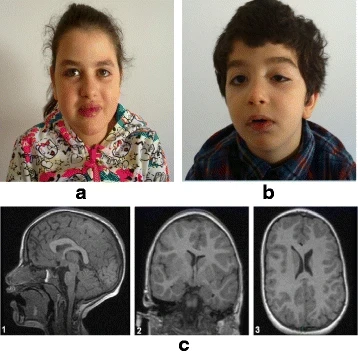
3q29 microdeletion syndrome presents with a wide range of symptoms. Common findings include mild to moderate intellectual disability and subtle facial differences, such as a long, narrow face, a short philtrum, and a high nasal bridge. Among six documented cases, at least two individuals also showed autism, ataxia, chest-wall deformity, and long, tapering fingers. A review of 14 children with interstitial deletions on chromosome 3q29 found that 11 had the typical 1.6 Mb deletion and exhibited intellectual disability along with microcephaly. The condition’s variability is highlighted by a boy diagnosed at age 6 years and 9 months with a de novo 3q29 microdeletion, confirmed by aCGH and normal chromosome analysis. He has language-based learning disabilities and behavioral traits consistent with autism and inattentive-type ADHD, plus an elongated face, long fingers, and joint laxity. Crucially, formal IQ testing revealed an average full-scale score, indicating no intellectual disability. This case broadens the known spectrum to include the possibility of normal intelligence, as supported by longitudinal psycho-educational testing.
More in Syndromes with Craniofacial Abnormalities
Spotted an error? Know more?
Reader corrections go straight into our review queue. Suggest an edit · How this site is sourced