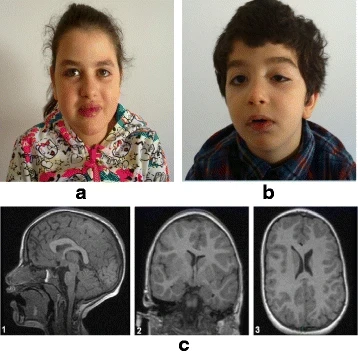
Acrocallosal syndrome
Rare autosomal recessive disorder with corpus callosum agenesis and polydactyly.
Acrocallosal syndrome is a very rare inherited condition passed down when both parents carry the gene. It involves an absent corpus callosum, extra fingers or toes, distinctive facial features, and significant developmental delays. First identified by Albert Schinzel, it results from KIF7 gene mutations, while GLI3 mutations cause a related disorder.
Quick Facts
- Symptoms
- Agenesis of the corpus callosum
- craniofacial anomalies
- psychomotor retardation with hypotonia
- polydactyly
- Duration
- Lifelong
- Causes
- Mutations in KIF7 or GLI3
- Frequency
- Fewer than 50 cases
Facts from the source article.
Did You Know?
- Lifespan may range from stillbirth to normal expectancy depending on severity of hypotonia and onset of epilepsy.
- Severe hypotonia can lead to fatal infant respiratory distress syndrome or apnea within the first days or weeks of life.
- In mild cases, subjects live relatively normal lives with some developmental delays and mild to moderate intellectual disability.
Mechanism
Mutations in the KIF7 gene cause acrocallosal syndrome. KIF7 encodes a 1343-amino-acid protein with a kinesin motor, coiled coil, and Gli-binding domains, and is involved in ciliary motor function and Hedgehog signaling during embryogenesis. Because KIF7 interacts with Gli transcription factors, mutations in KIF7 may act as upstream effectors of GLI3, leading to similar symptoms. Mutations in GLI3 can also cause ACLS or related disorders such as Greig cephalopolysyndactyly syndrome.
Diagnosis
Diagnosis is typically based on physical examination, requiring at least three of four core criteria: total or partial agenesis of the corpus callosum, minor craniofacial anomalies such as macrocephaly or hypertelorism, moderate to severe psychomotor retardation with hypotonia, and polydactyly. Differential diagnoses include Greig cephalopolysyndactyly syndrome, orofaciodigital syndromes, and others; ACLS may be distinguished from Greig syndrome by the presence of intracranial cysts. Antenatal suspicion may arise if a previous child is affected, with a 25% recurrence risk; ultrasonography or MRI can detect polydactyly or cerebral malformations from the 20th week, and chorionic villus sampling with molecular testing can confirm mutations.
Management
Treatment for Acrocallosal syndrome typically involves a pediatric neuropsychiatrist for monitoring, alongside supportive measures like occupational therapy and special education. Early childhood surgery may address extra digits or orofacial issues such as cleft palate. Seizures and renal hypertension are managed with anticonvulsants or antihypertensives. Genetic and vocational counseling may also be offered.
More in Syndromes with Craniofacial Abnormalities
Spotted an error? Know more?
Reader corrections go straight into our review queue. Suggest an edit · How this site is sourced