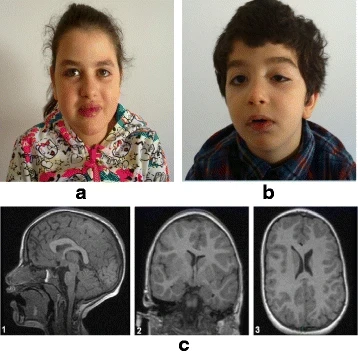
Coffin–Lowry syndrome
X-linked dominant disorder with intellectual disability and distinct facial features.
Coffin–Lowry syndrome is an X-linked dominant genetic disorder characterized by intellectual disability and various physical abnormalities. It is notable for its association with mutations in the RPS6KA3 gene and for causing more severe symptoms in males.
Quick Facts
- Gene
- RPS6KA3
- Gene location
- Xp22.2
- Inheritance
- X-linked dominant
- Estimated prevalence
- 1 in 50,000 to 1 in 100,000
- First described
- 1966 by Grange S. Coffin; independently in 1971 by Robert Brian Lowry
Facts from the source article.
Did You Know?
- RSK2 is highly expressed in the neocortex, hippocampus, and Purkinje cells of the brain.
- The most common mutation in RPS6KA3 is an early stop codon that fails to produce a functional protein.
- Lifespan may be significantly shortened in males, often due to cardiac, respiratory, or post-operative complications.
Presentation
Symptoms are more severe in males, who are typically diagnosed in early childhood. Cognitive disabilities vary in severity. Neuromuscular features include sleep apnea, muscular spasticity, progressive loss of muscle strength and tone, and elevated stroke risk. Stimulus-induced drop attacks (SIDAs) are temporary paralytic episodes without loss of consciousness, triggered by environmental stimuli; they become more frequent with disease progression, especially in males around adolescence. Physical features include small, soft hands with tapered fingers, a flattened nose, widely separated downward-sloping eyes, prominent forehead, and wide mouth with large lips. Hearing loss and kyphoscoliosis may occur, the latter potentially causing breathing difficulties or pulmonary hypertension.
Causes
The syndrome results from mutations in the RPS6KA3 gene on the short arm of the X chromosome (Xp22.2). This gene encodes the RSK2 protein, a kinase involved in cell signaling pathways important for learning, long-term memory formation, and nerve cell survival. RSK2 phosphorylates substrates such as CREB and histone H3 and acts at the distal end of the Ras/MAPK signaling pathway. Mutations disrupt protein function, though the exact mechanism linking protein deficiency to symptoms is unclear. Over 120 mutations have been identified. Some individuals with features of Coffin–Lowry syndrome lack detectable RPS6KA3 mutations, leaving the cause unknown in those cases. Inheritance is X-linked dominant, meaning one altered copy suffices to cause the condition. Most affected boys have no family history, resulting from de novo mutations.
Diagnosis
Affected individuals are often short in stature. Behavioral symptoms such as aggression and depression may occur, possibly secondary to physical disabilities. Chewing and swallowing difficulties are assessed using tools like the Videofluoroscopic Swallowing Evaluation, Karaduman Chewing Performance Scale, Penetration Aspiration Scale, and PEDI-EAT-10. Molecular genetic testing on blood or cheek swab cells can confirm but not rule out the diagnosis, as not all affected individuals have a detectable mutation. X-ray and neuroimaging studies may aid diagnosis. Decreased ribosomal S6 kinase activity in cultured fibroblast or transformed lymphoblast cells from a male indicates the syndrome, but enzyme activity studies cannot diagnose affected females.
Treatment
There is no cure; management focuses on symptoms. Stimulus-induced drop attacks pose injury risk, so medications such as benzodiazepines, valproate, and SSRIs are used to reduce episodes. Physical precautions like helmets or wheelchairs may protect patients. Minimizing exposure to startling stimuli is advised. For aggressive or destructive behavior, risperidone may be prescribed. Spinal development should be monitored regularly via X-ray and physical exams. Echocardiograms are recommended every 5–10 years to assess cardiac function. Genetic counseling is encouraged for families.
More in Syndromes with Craniofacial Abnormalities
Spotted an error? Know more?
Reader corrections go straight into our review queue. Suggest an edit · How this site is sourced