2q37 deletion syndrome
A chromosomal deletion disorder with craniofacial and developmental features.
2q37 deletion syndrome is a chromosomal disorder resulting from the deletion of a small segment of the long arm of chromosome 2, specifically involving one or more of the sub-bands 2q37.1, 2q37.2, and 2q37.3. It was first described in 1989.
Quick Facts
- First reported
- 1989
- Affected chromosome region
- 2q37.1, 2q37.2, 2q37.3
Facts from the source article.
Did You Know?
- Diagnosis can be made using fluorescence in situ hybridization (FISH) or microarray comparative genomic hybridization (array CGH).
- FISH uses fluorescent dyes to visualize sections under a microscope, but some changes are too small to see.
- Most individuals with the disorder are not predicted to have a shortened life span.
Symptoms and signs
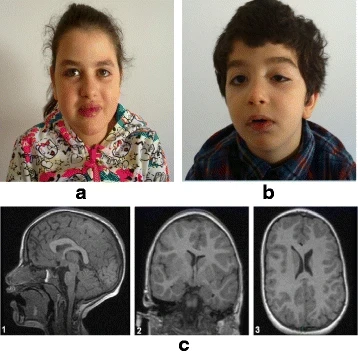
2q37 deletion syndrome first shows in newborns as weak muscle tone. As children grow, they often experience developmental delays, ongoing low muscle tone, learning challenges, a tendency toward overweight, and behaviors resembling autism. These autism-like traits include fixations, repetitive actions, limited eye contact, speech difficulties, trouble reading others' emotions, and unusual word choices. Seizures, eczema, asthma, chest and ear infections, and short fingers or toes are also common. The face typically has a broad forehead, thin arched eyebrows, a flat nasal bridge, full cheeks, a narrow nose with a prominent column between the nostrils, a thin upper lip, and minor ear differences. Additional issues may involve the heart, brain, digestive system, kidneys (including Wilms tumor), hernias, curved spine, weak bones, and problems with hearing or vision.
More in Syndromes with Craniofacial Abnormalities
Spotted an error? Know more?
Reader corrections go straight into our review queue. Suggest an edit · How this site is sourced