22q13 deletion syndrome
Genetic disorder from 22q13 deletions, featuring developmental delay and speech abnormalities.
22q13 deletion syndrome, or Phelan–McDermid syndrome, is a genetic condition caused by deletions or rearrangements on the long arm of chromosome 22. Any variation in the q13 region that leads to symptoms typical of a terminal deletion can be diagnosed as this syndrome. Researchers disagree on its precise definition; some require SHANK3 mutations, while others include terminal deletions.
Quick Facts
- Prevalence
- 2 to 10 per 1 million live births
- Number identified worldwide
- More than 1,200
- Cleveland clinic estimate
- About 2,200–2,500 people
- Deletion size range
- 130 Kb to 9 Mb
Facts from the source article.
Signs and symptoms
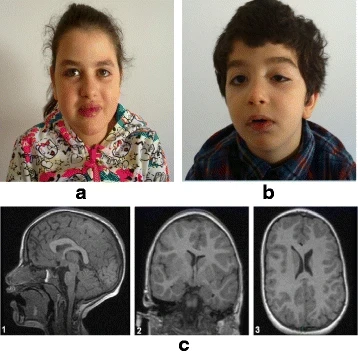
People with this condition consistently experience global developmental delay, intellectual disability, speech issues, behaviors like those in autism, low muscle tone, and subtle facial differences. Many reported medical and behavioral signs come from small studies or parent reports, which may explain some variation. More large-scale research is needed to better define the full range of features.
Cause
Various deletions affect the terminal region of the long arm of chromosome 22, from 22q13.3 to 22qter, with the paternal chromosome involved in 75% of cases. Most deletions are de novo, but an inherited form results from familial chromosomal translocations. De novo terminal deletions range from 130 Kb to 9 Mb; deletions smaller than 1 Mb are rare (about 3%). The remaining 97% impact about 30 to 190 genes. Although deletion size was once thought unrelated to core features, some core features depend on deletion size and not solely on SHANK3 loss. SHANK3, located near the terminal end, is associated with autism spectrum disorder and schizophrenia. Twelve other genes on 22q13 have also been linked to these conditions. Mutations of SHANK3 can mimic the syndrome but have variable impact. A landmark study using induced pluripotent stem cell neurons showed that restoring SHANK3 protein produces significant but incomplete rescue of membrane receptors, supporting a substantial role for SHANK3 and an additional role for other genes in the distal 1 Mb of chromosome 22.
Diagnosis and management
Genetic testing is required to confirm PMS. Karyotype analysis can detect prototypical terminal deletions, but many smaller deletions require chromosomal microarray, which should be ordered for children with suspected developmental delays or ASD. Whole exome sequencing may eventually replace microarray. Biological parents should be tested with fluorescence in situ hybridization (FISH) to rule out balanced translocations or inversions, which increase recurrence risk. Clinical genetic evaluations and dysmorphology exams assess growth, pubertal development, dysmorphic features, and organ defects. Comprehensive developmental, cognitive, and behavioral assessments by specialists are needed, with cognitive evaluation tailored for language and developmental delays. Patients should be referred for speech/language, occupational, and physical therapy. Regular follow-up with a pediatric neurologist monitors motor development, coordination, gait, and hypotonia-related conditions. Head circumference should be measured routinely until 36 months. Given a seizure disorder rate up to 41%, early overnight video EEG should be considered, along with baseline structural brain MRI. Baseline renal and bladder ultrasonography and voiding cystourethrogram should be considered due to renal abnormalities reported in up to 38% of patients.
History
The first case was described in 1985 by Watt et al., who reported a 14-year-old boy with severe intellectual disability, mild dysmorphic features, and absent speech associated with terminal loss of the distal arm of chromosome 22. In 1988, Phelan et al. described a similar presentation with a de novo deletion in 22q13.3. Subsequent cases followed. In 2001, Bonaglia et al. associated the syndrome with disruption of the SHANK3 gene. The same year, Phelan et al. compared 37 subjects with 22q13 deletions and found global developmental delay, absent or delayed speech, and hypotonia as most common. Later, the same group demonstrated that SHANK3 loss was not essential for the disorder.
More in Syndromes with Craniofacial Abnormalities
Spotted an error? Know more?
Reader corrections go straight into our review queue. Suggest an edit · How this site is sourced