ATR-X syndrome
X-linked syndrome with intellectual disability, facial changes, and alpha-thalassemia.
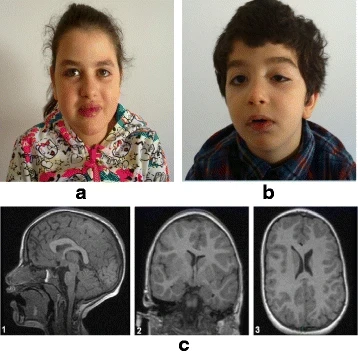
Alpha-thalassemia mental retardation syndrome (ATRX), also known as alpha-thalassemia X-linked intellectual disability syndrome or ATR-X syndrome, is an X-linked recessive condition caused by a mutation in the ATRX gene. Affected males typically present with moderate intellectual disability and characteristic craniofacial features including microcephaly, hypertelorism, a depressed nasal bridge, a tented upper lip, and an everted lower lip, along with mild to moderate anemia from alpha-thalassemia. Carrier females usually show no specific signs, though some may exhibit skewed X chromosome inactivation.
Quick Facts
- Inheritance
- X-linked recessive
- Gene
- ATRX
- Associated condition
- Alpha-thalassemia
- Karyotype in affected males
- 46,XY
Facts from the source article.
Epigenetics
ATRX functions as a regulator of heterochromatin dynamics, and mutations in the gene may cause downstream transcriptional effects across gene complexes or repetitive regions, contributing to the phenotypic differences seen in patients. For instance, ATRX mutations alter expression of the alpha-globin gene cluster, leading to alpha-thalassemia. ATRX interacts with the transcription co-factor DAXX and the alpha-globin gene cluster to deposit histone H3.3 at telomeric and pericentromeric regions and to regulate gene expression there. ATRX is characterized by both hypo- and hypermethylated regions; having an ATRX mutation does not guarantee ATR-X syndrome, but affected patients commonly show global hypermethylation of typically unmethylated regions such as CpG islands and promoters. Many genes undergoing methylation changes are involved in biosynthetic, metabolic, and methylation processes, with 42.5% located in telomeric and pericentromeric regions. Examples include PRDM9, which encodes a histone H3 lysine-4 trimethyltransferase and is a known ATRX target, and 2-BHMT2, which encodes betaine-homocysteine methyltransferase. ATR association is divided into two groups: ATR-16 syndrome, involving a 1–2 Mb deletion on chromosome 16p with Mendelian inheritance of alpha-thalassemia, and ATR-X syndrome, which lacks such a deletion, has rare alpha-thalassemia, and follows X-linked recessive inheritance. Both groups share similar phenotypes. The ATR-X phenotype results from skewed X-inactivation; the ATR-X locus spans the Xist control center, and an XH2 mutation in this locus instructs Xist to inactivate the chromosome, increasing heterochromatin in males.
Diagnosis
When ATR-X syndrome is suspected based on symptoms, diagnosis is established through karyotyping to exclude similar chromosomal disorders, typically showing a 46,XY karyotype, and through molecular genetic testing. The pathogenic ATRX variant may be de novo or inherited from the mother. Female family members are often offered genome testing due to their potential heterozygous carrier status.
More in Syndromes with Craniofacial Abnormalities
Spotted an error? Know more?
Reader corrections go straight into our review queue. Suggest an edit · How this site is sourced