Fetal warfarin syndrome
Embryopathy from maternal warfarin use during pregnancy.
When a pregnant person takes the blood thinner warfarin (Coumadin), the developing baby can develop fetal warfarin syndrome. This condition leads to low birth weight, slow growth, intellectual disability, deafness, a small head, and misshapen bones, cartilage, and joints. Warfarin is a teratogen that passes to the fetus, and because it can also cause miscarriage or stillbirth, it is not used during pregnancy.
Quick Facts
- Field
- Teratology
- Onset
- Embryo
- Causes
- Maternal warfarin administration
- Diagnosis
- Observation of key symptoms
- Prevention
- Avoid administration of warfarin during pregnancy
Facts from the source article.
Did You Know?
- Warfarin can remain in the mother's body for up to five days.
- Heparin is an alternate anticoagulant that cannot pass through the placental barrier, though its efficacy in patients with prosthetic heart valves is not well established.
- The risk of blood clotting is further increased by generalized hypercoagulability as concentrations of clotting factors rise during pregnancy.
Signs and symptoms
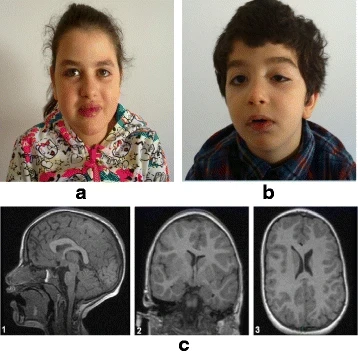
Fetal warfarin syndrome presents differently in each newborn, depending on how much warfarin the mother took and when. Higher daily doses, above 5 mg, raise the chance of obvious defects at birth. The timing of exposure matters: warfarin during the first trimester tends to cause physical malformations, while use in the second and third trimesters more often leads to central nervous system problems. Severe outcomes like profound intellectual disability, blindness, and deafness are most common when warfarin is taken throughout the entire pregnancy. Affected babies often have low birth weight and grow slowly afterward. Many children have ear, nose, and throat issues tied to abnormal bone and cartilage growth, including a small nasal ridge, a deep groove down the middle of the nose, a missing or thin nasal septum, blocked nasal passages, cleft lip, and a floppy voice box. These facial and airway problems can cause breathing trouble, noisy breathing, and later speech difficulties, though narrow airways often widen with age. Dental problems such as oversized tooth buds and late baby teeth are also seen. Eye development is affected, leading to small eyes, widely spaced eyes, crossed eyes, and a tear duct that opens onto the side of the eye. Skeletal issues include shortened arms and legs, short fingers, a short neck and trunk, curved spine, stippled bones, and chest deformities like a pigeon chest or sunken chest. Heart defects, such as a thin atrial wall, narrowed aorta, or open ductus arteriosus, occur in about 8% of patients, and complete mirror-image reversal of the chest organs has been reported.
Cause
When a pregnant person takes warfarin, more than 6 out of every 100 children develop fetal warfarin syndrome. Because warfarin is a small molecule, it crosses the placenta from the mother’s blood into the fetus’s. Doctors rarely prescribe it during pregnancy due to these known risks. However, for some patients—especially those with mechanical heart valves—stopping warfarin can be more dangerous than continuing it. Pregnancy naturally increases blood clotting, and artificial valves create turbulent flow, raising the chance of deadly clots that block oxygen to vital organs.
Mechanism
Warfarin's ability to cause fetal warfarin syndrome stems from its ability to limit vitamin K activation. It binds to and blocks the enzyme vitamin K epoxide reductase, which normally activates vitamin K during recycling. Without active vitamin K, a fetus cannot produce clotting factors II, VII, IX, and X, preventing formation of a durable fibrin plug. Anemia is common as blood seeps into interstitial fluid or the amniotic cavity, and high doses can lead to abortion or stillbirth. Osteocalcin, a protein dependent on vitamin K for correct folding and function, is normally secreted by osteoblasts to aid bone mineralization and maturation. In the presence of warfarin, bone mineralization and growth are stunted.
Management
Newborns with fetal warfarin syndrome get extra vitamin K shots beyond the standard dose to clear leftover warfarin and stop bleeding. Doctors also give fresh frozen plasma to boost clotting factors. If in-utero bleeding caused anemia, a red blood cell transfusion restores oxygen. Surgery may correct problems: osteotomy or zetaplasty removes abnormal growths blocking the airway, rhinoplasty fixes the nose’s look and function, and heart surgery can close a patent ductus arteriosus.
More in Syndromes with Craniofacial Abnormalities
Spotted an error? Know more?
Reader corrections go straight into our review queue. Suggest an edit · How this site is sourced