Fetal hydantoin syndrome
Defects from fetal exposure to the epilepsy drug phenytoin.
When a developing fetus is exposed to phenytoin, a seizure medication sold in the U.S. as Dilantin, it can cause a set of birth defects known as fetal hydantoin syndrome. This condition is also referred to as fetal dilantin syndrome, dilantin embryopathy, or phenytoin embryopathy. A possible genetic link to the EPHX1 gene has been suggested.
Quick Facts
- Associated gene
- EPHX1 (suggested)
- Proportion of affected children
- About one third of children whose mothers take the drug during pregnancy
Facts from the source article.
Did You Know?
- There is no diagnostic test that can identify fetal hydantoin syndrome; diagnosis is made clinically based on characteristic symptoms and a history of phenytoin exposure during gestation.
- The majority of infants born to women who take phenytoin during pregnancy will not develop fetal hydantoin syndrome.
Signs and symptoms
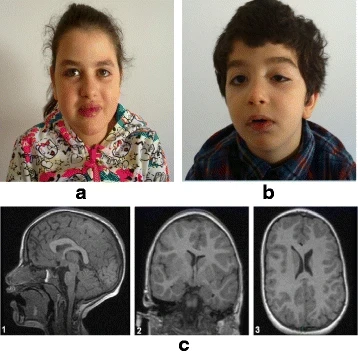
About one in three children born to mothers taking phenytoin during pregnancy may have a smaller head and body size at birth, along with distinctive facial features, intellectual disability, and limb issues like underdeveloped nails and shortened fingertips. Some also develop heart problems such as holes between the heart chambers or a narrowed aorta, and occasionally a cleft lip. A smaller number of these children face ongoing growth delays or learning difficulties.
Treatment
Treatment is directed toward the specific symptoms present in each individual and may require the coordinated efforts of a team of specialists, including pediatricians, oral surgeons, plastic surgeons, neurologists, and psychologists. Early developmental intervention can help affected children reach their potential. Occupational, physical, and speech therapy, as well as rehabilitative and behavioral therapy, may be beneficial. Additional medical, social, or vocational services may be necessary, and psychosocial support for the entire family is essential. When cleft lip or palate is present, a team of specialists plans treatment and rehabilitation. Cleft lip is typically surgically repaired during infancy, with a second cosmetic surgery sometimes performed later. Cleft palate may be repaired surgically or covered with a prosthetic device; the repair can be done in stages or as a single operation depending on the defect's severity.
More in Syndromes with Craniofacial Abnormalities
Spotted an error? Know more?
Reader corrections go straight into our review queue. Suggest an edit · How this site is sourced