Dubowitz syndrome
A rare genetic disorder with microcephaly and stunted growth.
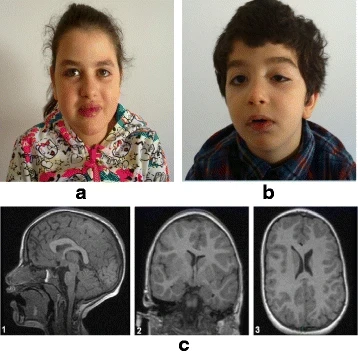
Dubowitz syndrome is a rare genetic condition marked by a small head, slowed growth, and a chin that slopes backward. While symptoms differ from person to person, they can include a soft high-pitched voice, partial webbing of fingers or toes, palate issues, genital abnormalities, speech difficulties, and discomfort in crowds. No medical test can confirm it; doctors diagnose it by looking at facial features.
Quick Facts
- First described by
- Victor Dubowitz
- Year first described
- 1965
- Inheritance pattern
- autosomal recessive
Facts from the source article.
Did You Know?
- There is currently no specific treatment for this condition; management is supportive.
- No known method of correcting microcephaly exists, but symptomatic treatments include speech and occupational therapies and medication for seizures and hyperactivity.
Signs and symptoms
Microcephaly, a key feature, involves a smaller than normal head circumference due to improper brain development. It can be caused by genetic disorders, infections, radiation, medications, or alcohol use during pregnancy. Defects in cerebral cortex growth lead to many associated features. Prognosis varies widely: some patients have little to no intellectual disability and reach age-appropriate milestones, while others may experience severe intellectual disability and neuromuscular side effects.
Genetics
Although the pathology of Dubowitz syndrome is unknown, it is a heritable autosomal recessive disorder. Parents of affected individuals are sometimes related, and cases have occurred in monozygotic twins, siblings, and cousins. Symptoms vary greatly between cases, especially in intelligence. The symptoms resemble those of fetal alcohol syndrome, and further studies are needed to determine whether alcohol influences manifestation in genetically vulnerable people. Breakdown of chromosomes is known to occur. The syndrome is accompanied by a deficiency in growth hormone, which is secreted by the anterior pituitary and normally increases height during development. This deficiency may stem from genetic mutations, malformations of the hypothalamus or pituitary during development, or pituitary damage; in Dubowitz syndrome, the cause is likely underlying mutations or disruption of brain structures during development. Growth hormone deficiency also correlates with low levels of IgG antibodies, a condition found in Dubowitz patients. A fibroblast cell line from a patient showed hypersensitivity to ionizing radiation and other DNA damaging agents due to a defect in repairing DNA double strand breaks, traced to mutations in the DNA ligase IV LIG4 gene, suggesting that at least a subset of cases has a DNA ligase IV defect.
More in Syndromes with Craniofacial Abnormalities
Spotted an error? Know more?
Reader corrections go straight into our review queue. Suggest an edit · How this site is sourced