RAPADILINO syndrome
Rare genetic disorder with bone defects and increased cancer risk.

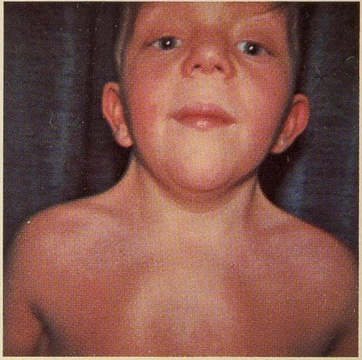
RAPADILINO syndrome is an autosomal recessive disorder characterized by radial ray defect, patellar aplasia, arched or cleft palate, diarrhea, dislocated joints, short stature, limb malformation, slender nose, and normal intelligence. It is more prevalent in Finland than elsewhere in the world and has been associated with the gene RECQL4, which is also linked to Rothmund–Thomson syndrome and Baller–Gerold syndrome.
Quick Facts
- Field
- Musculoskeletal
- Symptoms
- Underdevelopment or absences of the bones in the forearms, thumbs, and kneecaps, cleft palate or high-arched, palate, diarrhea, and short stature.
- Onset
- Infancy
- Duration
- Lifelong
- Causes
- Mutations in the RECQL4 gene
- Frequency
- Less than 1,000 known cases in the United States
Facts from the source article.
Lore & Background
Most people with RAPADILINO syndrome have underdeveloped or absent bones in the forearms and thumbs. Kneecaps may be underdeveloped or absent. Other characteristics include a cleft or high-arched palate, a long, narrow nose, and dislocated joints. Many infants suffer feeding difficulties, as well as diarrhea and vomiting. A combination of poor bone development and nutritional deficiencies can cause slow growth and short stature. Some patients have harmless light brown patches of skin that resemble café-au-lait spots.
Reader's Guide
RAPADILINO syndrome is significant as a rare genetic disorder that illustrates the pleiotropic effects of RECQL4 gene mutations. The syndrome's name is an acronym of its core features, and its higher prevalence in Finland suggests a founder effect. Patients with RAPADILINO syndrome are more likely to develop osteosarcoma or lymphoma, with osteosarcoma typically developing during childhood or adolescence and lymphoma in early adulthood. The most frequent RECQL4 gene mutation linked to the syndrome causes the RECQL4 protein to be misassembled, lacking exon 7, which impairs helicase function and normal DNA replication and repair, potentially leading to widespread genetic damage. The syndrome's legacy lies in its connection to other RECQL4-related disorders—Rothmund–Thomson syndrome and Baller–Gerold syndrome—and in highlighting the role of DNA helicases in development and cancer predisposition.
Clinical Presentation & Defining Features
RAPADILINO syndrome is an autosomal recessive condition whose very name is a mnemonic built from its hallmark physical traits. The "RA" stands for radial ray defects, meaning that affected individuals typically have underdeveloped or entirely missing bones in the forearms and thumbs. The "PA" component encompasses patellar aplasia—underdeveloped or absent kneecaps—alongside a cleft or unusually high-arched palate. The "DI" portion captures the presence of dislocated joints, while "LI" reflects the short stature and limb malformations that characterize the condition. The "NO" element highlights two reassuring features: a slender, elongated nose and, importantly, normal cognitive development. Together, these traits create a recognizable clinical picture. The disorder is inherited in an autosomal recessive pattern, meaning a child must receive a mutated copy of the responsible gene from both parents to manifest the full spectrum of symptoms. Despite the severity of the skeletal and structural anomalies, intellectual function is preserved, which distinguishes RAPADILINO from many other congenital skeletal disorders.
Molecular Basis: The RECQL4 Helicase Connection
At the molecular level, RAPADILINO syndrome traces back to mutations in the RECQL4 gene, which encodes a member of the RecQ helicase protein family. Helicases are essential enzymes that temporarily attach to the DNA double helix and unwind its two strands, a process that is indispensable both for replicating the genome before cell division and for repairing damaged DNA. The RECQL4 protein specifically contributes to DNA replication, repair, and the overall stability of genetic information within cells. The most common mutation identified in RAPADILINO patients produces a malformed protein that is missing exon 7. Without this exon, the protein loses its helicase activity entirely. The downstream consequence is a failure of normal DNA replication and repair, leading to widespread genetic damage. Although researchers have not yet determined precisely how this molecular defect translates into the syndrome's distinctive skeletal and developmental features, the prevailing hypothesis is that the accumulation of unrepaired DNA errors triggers excessive cell death during critical windows of embryonic development.
Infantile Challenges and Long-Term Health Risks
The early postnatal period presents significant challenges for infants born with RAPADILINO syndrome. Feeding difficulties are common, often compounded by episodes of diarrhea and vomiting, which together create a cycle of inadequate caloric and nutrient intake. When this nutritional shortfall is layered on top of the already compromised bone development inherent to the condition, the result is characteristically slow growth and the short stature that forms part of the syndrome's clinical profile. Beyond the gastrointestinal and growth issues, patients may develop benign light brown skin patches that visually resemble café-au-lait spots, though these carry no malignant potential. More concerning is the elevated cancer risk associated with the disorder. Individuals with RAPADILINO are more susceptible to developing osteosarcoma, a bone malignancy that typically emerges during childhood or adolescence, as well as lymphoma, which tends to present in early adulthood. This heightened oncogenic vulnerability likely reflects the same underlying DNA repair deficiency that drives the syndrome's other manifestations.
Genetic Context and the Broader RECQL4 Syndrome Spectrum
RAPADILINO syndrome does not exist in genetic isolation. It is inherited in an autosomal recessive fashion and shows a notably higher prevalence in Finland compared to the rest of the world, suggesting a possible founder effect or consanguinity-driven clustering in that population. Crucially, the same RECQL4 gene whose mutations cause RAPADILINO is also implicated in two other distinct clinical entities: Rothmund–Thomson syndrome and Baller–Gerold syndrome. This overlap places RAPADILINO within a broader spectrum of RECQL4-related disorders, all sharing a common molecular origin in defective DNA helicase function yet diverging in their specific phenotypic expressions. The existence of this syndromic continuum underscores the complexity of how a single gene's dysfunction can manifest in multiple, clinically distinct ways depending on the particular mutation, the degree of protein impairment, and the developmental timing of the defect. Understanding these relationships is essential for accurate genetic counseling and for distinguishing between conditions that may appear superficially similar.
Frequently Asked Questions
What is RAPADILINO syndrome?
RAPADILINO syndrome is a rare autosomal recessive genetic condition that causes short stature, limb and skeletal malformations, and several other congenital features, while notably leaving intellectual development intact.
What does the name RAPADILINO stand for?
The name is an acronym built from the initial letters of its hallmark signs: Radial ray defect, Aplasia of patella, Arched (or cleft) palate, Diarrhea, Dislocated joints, Limb malformation, and slender Nose.
How is RAPADILINO syndrome inherited and which gene is involved?
It follows an autosomal recessive pattern, so a person must inherit two mutated copies of the RECQL4 gene—one from each parent—to manifest the disorder. The same RECQL4 gene is also implicated in Rothmund–Thomson syndrome and Baller–Gerold syndrome.
Why is RAPADILINO syndrome more common in Finland?
The condition shows a distinctly higher prevalence among the Finnish population than in the rest of the world, which researchers attribute to a greater carrier frequency of the relevant RECQL4 mutation within that community.
What long-term cancer risks do people with RAPADILINO syndrome face?
Affected individuals carry an elevated risk of developing osteosarcoma and lymphoma, a concern that mirrors the cancer vulnerability seen in other RECQL4-related conditions.
More in Syndromes affecting stature 1-22
Spotted an error? Know more?
Reader corrections go straight into our review queue. Suggest an edit · How this site is sourced