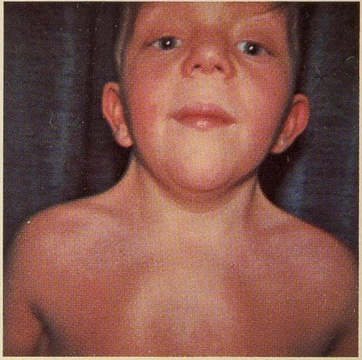
Lujan–Fryns syndrome
An X-linked genetic disorder with intellectual disability and Marfanoid features.

Lujan–Fryns syndrome is an inherited condition linked to the X chromosome. It leads to intellectual disability that is usually mild or moderate, though severe cases have been reported. People with the syndrome often have a tall, thin body with long arms and legs—a set of traits known as marfanoid habitus, similar to those seen in Marfan syndrome. The disorder also involves psychiatric and behavioral issues, along with certain malformations of the brain and heart. It follows an X-linked dominant inheritance pattern and results from a missense mutation in the MED12 gene. No treatment currently exists for the underlying genetic problem, and the precise cause of the disorder is not fully understood.
A common brain abnormality in LFS is agenesis of the corpus callosum, where the bundle of nerves connecting the brain’s two hemispheres fails to develop. This absence can lead to various neurological problems, and intellectual disability occurs in about 73 percent of such cases. However, no direct link has been established between this brain malformation and the intellectual disability seen specifically in LFS.
Psychiatric symptoms are typical in LFS and can help with diagnosis. The most frequent is an autism-like spectrum disorder, and LFS is considered one of several genetic conditions associated with autism. Other behavioral and psychiatric issues reported include psychotic behavior, schizophrenia, hyperactivity, attention-deficit hyperactivity disorder, aggression, oppositional defiant disorder, obsessive-compulsive disorder, extreme shyness, learning disabilities, cognitive impairment, short-term memory problems, low frustration tolerance, social difficulties, poor impulse control, eating disorders with malnutrition due to psychogenic loss of appetite, and pyromania. Despite these challenges, some individuals with LFS retain abilities in problem-solving, reasoning, and normal intelligence. Schizophrenia is common in LFS, and when it appears alongside intellectual disability, LFS should be considered in the differential diagnosis, confirmed through psychiatric and genetic evaluation.
The marfanoid habitus that sets LFS apart from other X-linked intellectual disabilities includes a long, narrow face; tall, thin stature; long, slender limbs, fingers, and toes (similar to arachnodactyly); joint hyperextensibility; shortened big toes; and long second toes.
Quick Facts
- Specialty
- Medical genetics
Facts from the source article.
Lore & Background
Lujan–Fryns syndrome is clinically distinguished from other X-linked forms of intellectual disability by the accompanying presence of Marfanoid habitus, which includes a long, narrow face; tall, thin stature; long, slender limbs, fingers and toes with joint hyperextensibility; shortened halluces; and long second toes. Diagnosis of Marfanoid habitus in LFS is often delayed because many physical features are usually not evident until adolescence. Craniofacial features include maxillary hypoplasia, a small mandible, high-arched palate, macrocephaly, a long nose with high nasal bridge, and low-set ears. Hypernasal speech is common, often due to velopharyngeal insufficiency or submucosal cleft palate.
Reader's Guide
Lujan–Fryns syndrome is significant as a genetic disorder linking a specific MED12 missense mutation to a complex phenotype involving intellectual disability, psychiatric conditions, and connective tissue-like physical features. The disorder is considered one of a number of genetic disorders associated with autism, and its psychopathology often includes schizophrenia, which may prompt differential diagnosis in intellectually disabled individuals. The finding of aortic root dilation in LFS, similar to Marfan syndrome, suggests possible involvement of connective tissue regulatory genes. Research using zebrafish models has shown that MED12 mutations cause neuronal and cardiovascular defects, and that MED12 is a critical coactivator for SOX9, involved in developmental regulation of neurons, cartilage, and bone. The exact mechanism by which MED12 dysfunction results in LFS remains unclear, and no treatment exists for the underlying malfunction.
Did You Know?
- LFS is caused by a missense mutation in the MED12 gene, identified as p.N1007S.
- Agenesis of the corpus callosum is a relatively common brain anomaly seen with LFS.
- Aortic root dilation in LFS presents a possible life-threatening risk of aortic aneurysm.
- The disorder is inherited in an X-linked dominant manner, with higher expressivity in males.
The Genetic Underpinning
Lujan–Fryns syndrome is inherited in an X-linked dominant pattern, meaning the defective gene resides on the X chromosome and a single copy is sufficient to produce the condition. The specific fault has been traced to a missense mutation in the MED12 gene, a subunit of the mediator complex that participates in RNA polymerase II transcription. The mutation, designated p.N1007S, involves a single nucleotide swap that causes the amino acid asparagine at position 1007 to be replaced by serine during protein translation. This seemingly small substitution disrupts the normal expression and activity of the MED12 protein, cascading into the full spectrum of the syndrome. Despite this molecular identification, the precise downstream mechanisms by which this single amino acid change produces such a broad constellation of physical, neurological, and behavioral effects remain incompletely understood. At present, no treatment or targeted therapy exists to correct the underlying MED12 malfunction, leaving management focused on monitoring and supportive care for the various manifestations that emerge over a person's lifetime.
The Marfanoid Silhouette
One of the most visually distinctive hallmarks of Lujan–Fryns syndrome is the marfanoid habitus, a cluster of physical traits that overlap with those seen in Marfan syndrome and, less commonly, in conditions such as multiple endocrine neoplasia type 2. Individuals with LFS typically present with a tall, slender build, elongated limbs, and notably long, thin fingers and toes that resemble arachnodactyly. Joint hyperextensibility is common, and the feet often show shortened big toes paired with unusually long second toes. The face tends to be long and narrow, with a high, narrow nasal bridge, a deep short philtrum, and low-set ears. A high-arched palate with crowded, misaligned upper teeth and a receding chin further characterize the craniofacial profile. Crucially, many of these skeletal and facial features do not become fully apparent until adolescence, which frequently delays recognition of the marfanoid component and, by extension, the syndrome itself. This delayed visibility is a significant diagnostic challenge, as the marfanoid habitus is the key clinical feature that separates LFS from other X-linked intellectual disability syndromes.
Neurological and Psychiatric Landscape
The neurological and behavioral profile of Lujan–Fryns syndrome is remarkably broad. Intellectual disability typically falls in the mild-to-moderate range, though severe presentations have been documented. A notable structural brain anomaly associated with the condition is agenesis of the corpus callosum, the absence of the nerve bridge connecting the two cerebral hemispheres; while this anomaly carries roughly a 73 percent rate of intellectual disability in general, a direct causal link within LFS has not been firmly established. Psychiatric manifestations are a defining feature and may even factor into the diagnostic workup. The most frequently observed is an autism-like spectrum disorder, placing LFS among the genetic conditions linked to autism. Beyond that, clinicians have reported psychotic behavior, schizophrenia, hyperactivity and ADHD, aggression, oppositional defiant disorder, obsessive-compulsive patterns, extreme shyness, learning difficulties, short-term memory deficits, low frustration tolerance, social dysfunction, poor impulse control, psychogenic eating disturbances with malnutrition, and even pyromania. Importantly, some affected individuals retain problem-solving ability, reasoning, and normal intelligence, underscoring the syndrome's variable expressivity.
Cardiac Vulnerability and Diagnostic Protocol
Among the potentially life-threatening dimensions of Lujan–Fryns syndrome, cardiac involvement stands out. The most significant cardiac finding is dilation of the aortic root, the proximal segment of the ascending aorta. This enlargement substantially elevates the risk of aortic wall dissection and subsequent aneurysm formation, representing a serious, potentially fatal complication that demands ongoing vigilance. Because of this risk, standard diagnostic protocol upon an initial LFS diagnosis includes routine echocardiographic evaluation to assess aortic dimensions and overall cardiac structure. In parallel, MRI scans of the brain are performed to screen for suspected agenesis of the corpus callosum, addressing the neurological structural concern. Additional cardiac abnormalities that have been documented in LFS cases include ventricular septal defects and atrial septal defects, further broadening the spectrum of cardiovascular involvement. The absence of any curative treatment for the underlying MED12 mutation means that early and regular cardiac surveillance becomes a critical component of long-term management, ensuring that aortic changes are detected before they progress to a dangerous threshold.
Frequently Asked Questions
What is Lujan–Fryns syndrome?
Lujan–Fryns syndrome is a genetic condition passed along the X chromosome that causes mild-to-moderate intellectual disability alongside a tall, slender build with elongated limbs. It is triggered by a specific missense mutation in the MED12 gene.
What are Lujan–Fryns syndrome's defining traits?
The syndrome is marked by a marfanoid body shape—tall and thin with long arms and legs—combined with cognitive difficulties and psychiatric or behavioral challenges. Structural malformations of the brain and heart can also appear in affected individuals.
How is Lujan–Fryns syndrome inherited?
It follows an X-linked dominant pattern, so a single faulty copy of the MED12 gene on the X chromosome is sufficient to produce the condition. The mutation most commonly cited is a missense substitution at position N1007S.
Which other conditions overlap with Lujan–Fryns syndrome?
Affected individuals may also develop autism spectrum disorder, aortic root dilation, or agenesis of the corpus callosum. These associated conditions add layers of complexity beyond the core stature and cognitive features.
Is there a cure or treatment for Lujan–Fryns syndrome?
No curative treatment currently exists for this condition. Clinical management centers on supporting cognitive development, monitoring cardiac and neurological health, and addressing behavioral or psychiatric needs on a case-by-case basis.
More in Syndromes affecting stature 1-22
Spotted an error? Know more?
Reader corrections go straight into our review queue. Suggest an edit · How this site is sourced