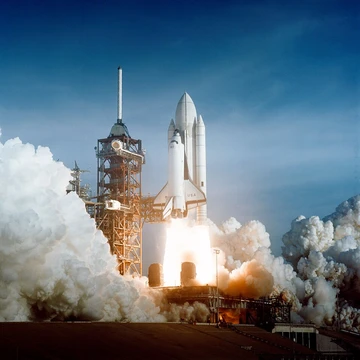
STS-27
Classified DoD mission with severe tile damage that nearly proved fatal.

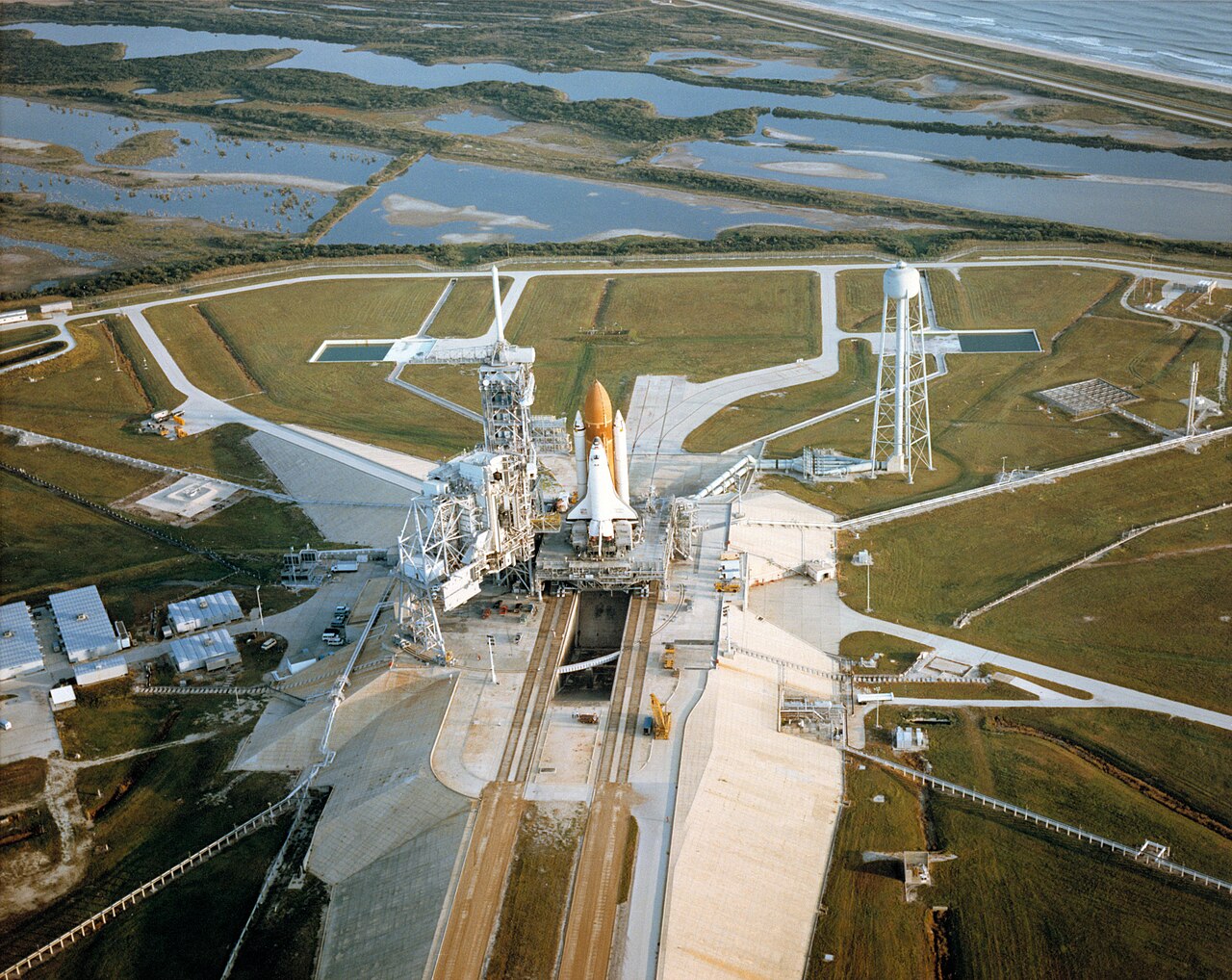
National Aeronautics and Space Administration. Lyndon B. Johnson Space Center. 2 · Public domain
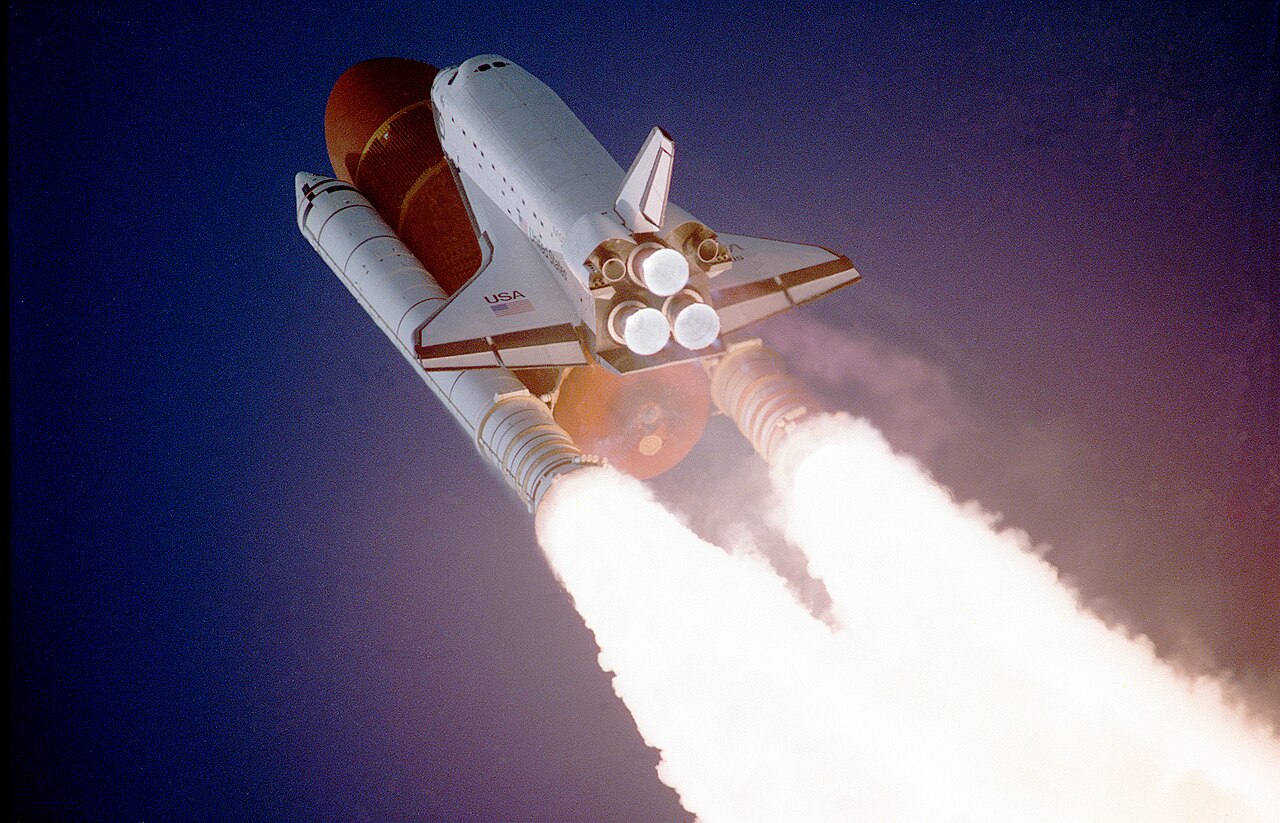
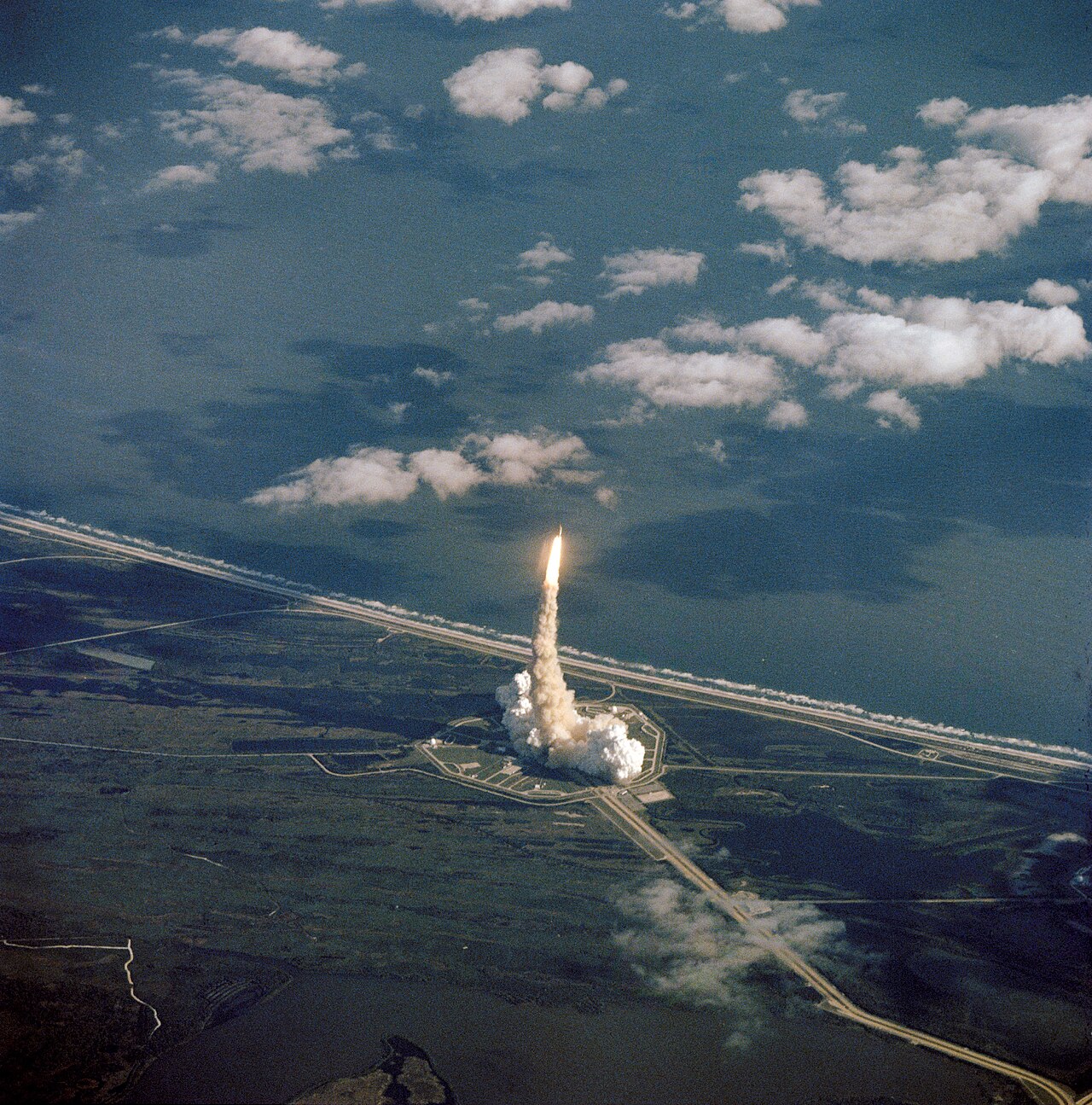
STS-27 marked the 27th flight of NASA's Space Shuttle program and the third time Atlantis went to space. It launched on December 2, 1988, for a four-day mission, becoming the second shuttle flight after the Challenger disaster in January 1986, following STS-26. The mission carried a secret payload for the U.S. Department of Defense, later identified as a Lacrosse surveillance satellite. During liftoff, the shuttle's heat shield suffered major damage, and the crew believed they would not survive reentry.
The situation closely resembled what would prove fatal 15 years later on STS-107. In fact, Atlantis experienced more extensive damage than Columbia did on that later mission, but the damage occurred over less critical areas. One missing tile was located over an antenna, which gave the spacecraft structure extra protection. The mission landed successfully, though the intense heat damage required extensive repairs.
Technically, the mission is sometimes referred to as STS-27R in internal NASA documentation, but this suffix was not an official public designation. The original STS-27 designation was not reassigned from STS-51-I; rather, the numbering system was adjusted after the Challenger disaster, with STS-26 through STS-33 being assigned to post-Challenger missions. STS-51-L's original number was not reused, and STS-33 was later used for a different mission in 1989.
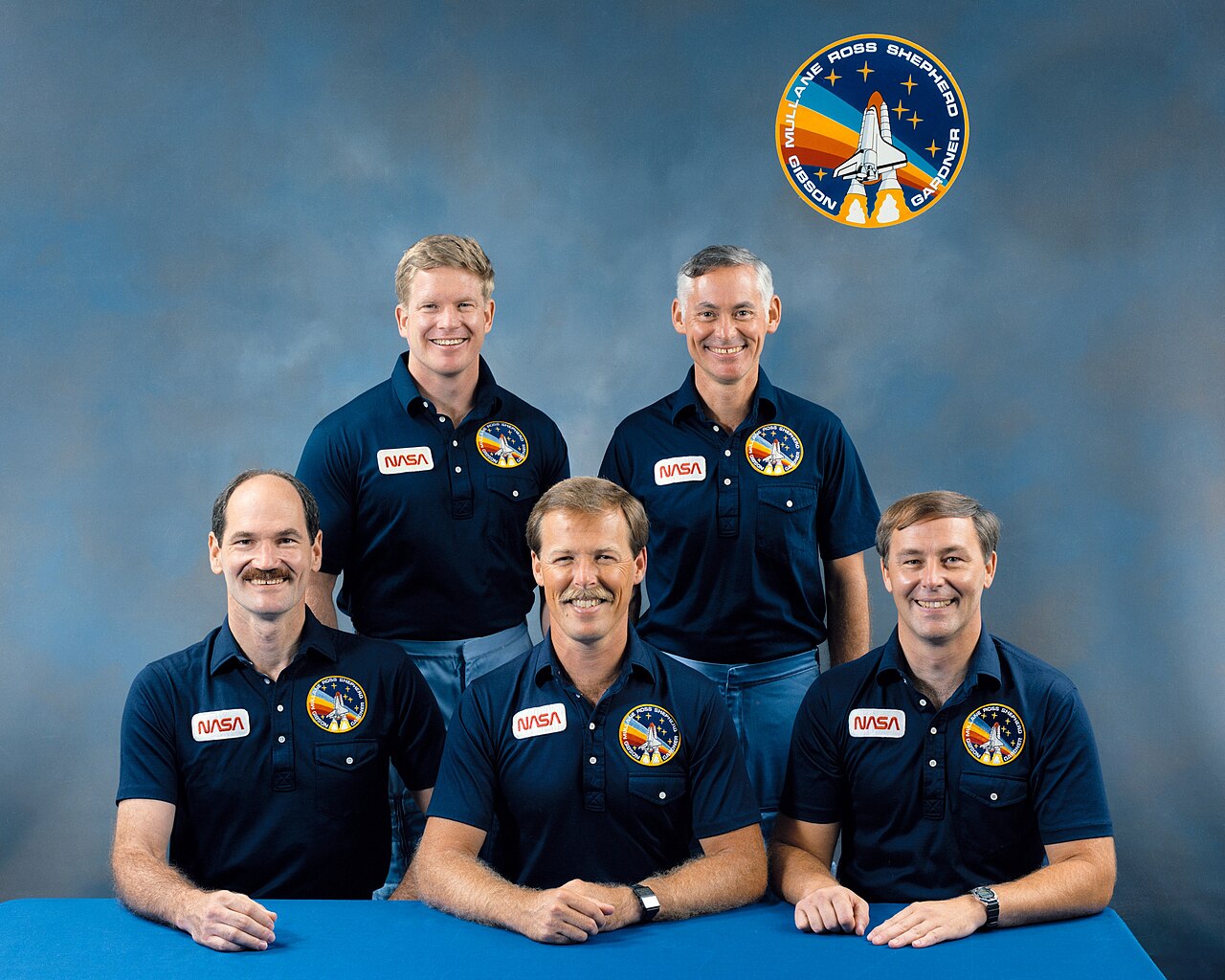
Before the Challenger disaster, a separate mission had been scheduled for July 1986 as STS-62-A, using Discovery as the orbiter and launching from Vandenberg Space Force Base in California, but this was canceled. STS-27 was not a renumbering of that mission. The crew of STS-27 included Robert L. Gibson, Guy S. Gardner, Richard M. Mullane, Jerry L. Ross, and William Shepherd; Dale A. Gardner was not part of the original crew, and Shepherd was not a direct replacement for him.
Atlantis, at the time the youngest shuttle in the fleet, made its third flight on a classified Department of Defense mission, deploying a single satellite called USA-34. NASA archives later identified USA-34 as Lacrosse 1, a side-looking radar, all-weather surveillance satellite for the National Reconnaissance Office and the Central Intelligence Agency. The launch was originally set for December 1, 1988, but was postponed one day due to cloud cover and strong winds.
Quick Facts
- Names List
- Space Transportation System-27 / STS-27R
- Mission Type
- DoD satellite deployment
- Operator
- NASA
- Distance Travelled
- 2916252 km
- Orbits Completed
- 68
- Spacecraft
- 104
- Launch Mass
- (Classified)
- Landing Mass
- 86616 kg
- Payload Mass
- 14500 kg
- Crew Size
- 5
- Crew Members
- Robert L. Gibson · Guy S. Gardner · William M. Shepherd · Jerry L. Ross · Richard M. Mullane
- Launch Site
- Kennedy, LC-39B
Facts from the source article.
Lore & Background
STS-27 was not originally slated as STS-62-A; that was a separate canceled mission for a Vandenberg launch. The crew of STS-27 was assembled after the Challenger disaster, with William Shepherd joining as a rookie mission specialist; Dale A. Gardner was not part of the original crew. The mission launched from LC-39B at Kennedy Space Center on December 2, 1988, after a one-day delay due to cloud cover and strong winds. It deployed a single satellite, USA-34, later identified as Lacrosse 1, a side-looking radar surveillance satellite for the NRO and CIA.
Reader's Guide
STS-27 is significant for its extreme thermal protection system damage, which was more extensive than that which would prove fatal on STS-107 fifteen years later. The missing tile was over an aluminum mounting plate for an L-band antenna, which provided extra protection and prevented a burn-through. The crew was infuriated that Mission Control considered the damage minor due to poor-quality encrypted images. Upon landing, over 700 damaged tiles were noted, making Atlantis the most damaged launch-entry vehicle to return to Earth successfully. The mission's classified nature also highlights the role of the Space Shuttle in national security operations. The crew's survival and the subsequent repairs demonstrated the resilience of the shuttle design, though the incident underscored the risks of tile damage that would later be fatal for Columbia.
Did You Know?
- The crew was prohibited from using standard image transmission due to the classified payload, forcing slow encrypted images that appeared to ground control as 'just lights and shadows'.
- Commander Gibson thought 'We are going to die' upon seeing the damage and planned to tell mission control 'what I thought of their analysis' in his final seconds if the shuttle disintegrated.
- The missing tile was over an L-band antenna mounting plate, which may have prevented a burn-through similar to the one that doomed Columbia.
- The day after Atlantis landed, the 1988 Armenian earthquake killed tens of thousands; Gibson joked at a meeting that the classified payload's first target was Armenia, set on 'stun'.
The Debris Strike
During the 1988 launch of STS-27, a fragment of insulation broke loose from the right solid rocket booster and slammed into the underside of the orbiter. The impact was devastating: more than seven hundred thermal protection tiles were severely damaged, and at least one tile was knocked completely off the vehicle's surface. In the aftermath, the crew was directed to deploy the remote manipulator system to inspect the right wing's underside. What they found confirmed the worst — substantial tile damage across the affected area. The incident turned what should have been a routine ascent into a critical structural assessment, forcing the flight team to evaluate whether the orbiter's thermal protection system could survive the extreme heating of reentry. The debris event would define the entire mission narrative, casting a long shadow over every subsequent decision made by both the crew aboard and the personnel on the ground watching from mission control.
Classified Complications
The classified character of STS-27 added a layer of operational difficulty that compounded the already serious tile damage. When the crew attempted to transmit photographic evidence of the damage to mission control, the images had to be encrypted. The result was that the pictures arriving at the ground were of extremely poor quality, rendering the full extent of the destruction nearly invisible to the personnel who needed to make critical flight decisions. Faced with these degraded images, mission control staff assessed the damage as merely "lights and shadows" — a characterization that effectively dismissed the structural threat. This assessment was made despite the crew having directly observed substantial tile loss through their own inspection. The classified nature of the mission thus created an information bottleneck: the people closest to the damage had the clearest understanding, while the decision-makers on the ground were working from obscured, low-resolution data. This disconnect between what the crew saw and what mission control could interpret became a central source of tension throughout the remainder of the flight.
Crew Fury and the Decision to Proceed
Despite the crew's direct observation of severe tile damage, mission control's "lights and shadows" verdict carried the weight of authority. The flight team was instructed to proceed with the mission as if nothing significant had occurred. This directive infuriated many members of the crew, who understood the physical reality of what they had inspected with their own eyes and through the remote manipulator system. The crew had seen over seven hundred tiles compromised and one tile entirely absent — facts that no amount of image degradation could erase. Yet the operational decision came from the ground, and the classified environment of the mission left little room for the kind of open debate that might have surfaced in a non-sensitive flight. The crew found themselves in the uncomfortable position of having to continue a mission aboard a vehicle they knew to be structurally compromised, while the people making the go decision had only a fraction of the visual information available to them. The tension between crew judgment and ground authority became the defining interpersonal dynamic of STS-27.
Landing and the Columbia Echo
Upon reentry, Atlantis touched down as the single most-damaged shuttle in the program's history to successfully complete a landing. The crew's survival is attributed to a fortunate structural detail: a steel L-band antenna plate happened to be positioned directly beneath the one tile that had been completely knocked away. Without that plate, the reentry heating would have had an unobstructed path into the orbiter's internal structure. The near-miss of STS-27 would echo tragically fifteen years later. In 2003, the shuttle Columbia was lost in a similar situation involving launch debris compromising the vehicle's thermal protection. The parallel was stark, though the materials involved differed: Columbia's compromised area involved the more critical reinforced carbon-carbon panels rather than the ceramic tiles that had protected Atlantis. The STS-27 incident thus stands as a haunting preview of what could happen when launch debris strikes an orbiter during ascent, a lesson that ultimately proved too late to prevent Columbia's destruction.
Gallery


Frequently Asked Questions
What is STS-27?
STS-27 was the 27th flight in NASA's Space Shuttle program, sending the orbiter Atlantis (OV-104) on a four-day mission from December 2 to 6, 1988. It served as the second shuttle launch after the Challenger loss in 1986, following STS-26.
What went wrong with STS-27's heat shield?
During ascent, a large number of thermal protection tiles were knocked loose or cracked, and the crew became convinced they would not survive atmospheric reentry. The damage ultimately proved less catastrophic than they feared, and Atlantis touched down safely on December 6.
What was STS-27's classified payload?
The mission carried a top-secret Department of Defense satellite that was later publicly identified as USA-34, the first Lacrosse-1 military reconnaissance satellite. At the time of the flight, the payload's true nature was withheld from the public.
How does STS-27 relate to the Columbia disaster (STS-107)?
Both missions involved severe thermal tile damage during ascent that led the crews to believe reentry survival was unlikely. STS-27's harrowing near-miss in 1988 eerily foreshadowed the fatal tile failure that killed the Columbia crew in 2003.
Why is STS-27 considered important in shuttle history?
As the program's second flight after Challenger, it demonstrated that NASA could resume operations, yet the tile damage also exposed just how fragile the thermal protection system truly was. It remains one of the most gripping survival stories of the entire shuttle era.
More in Space Shuttle missions 1-24
Spotted an error? Know more?
Reader corrections go straight into our review queue. Suggest an edit · How this site is sourced