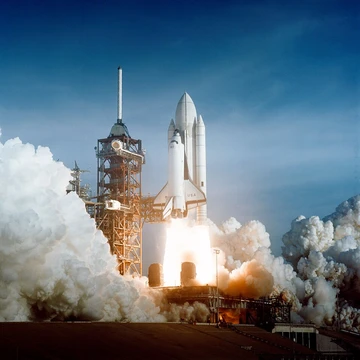
STS-2
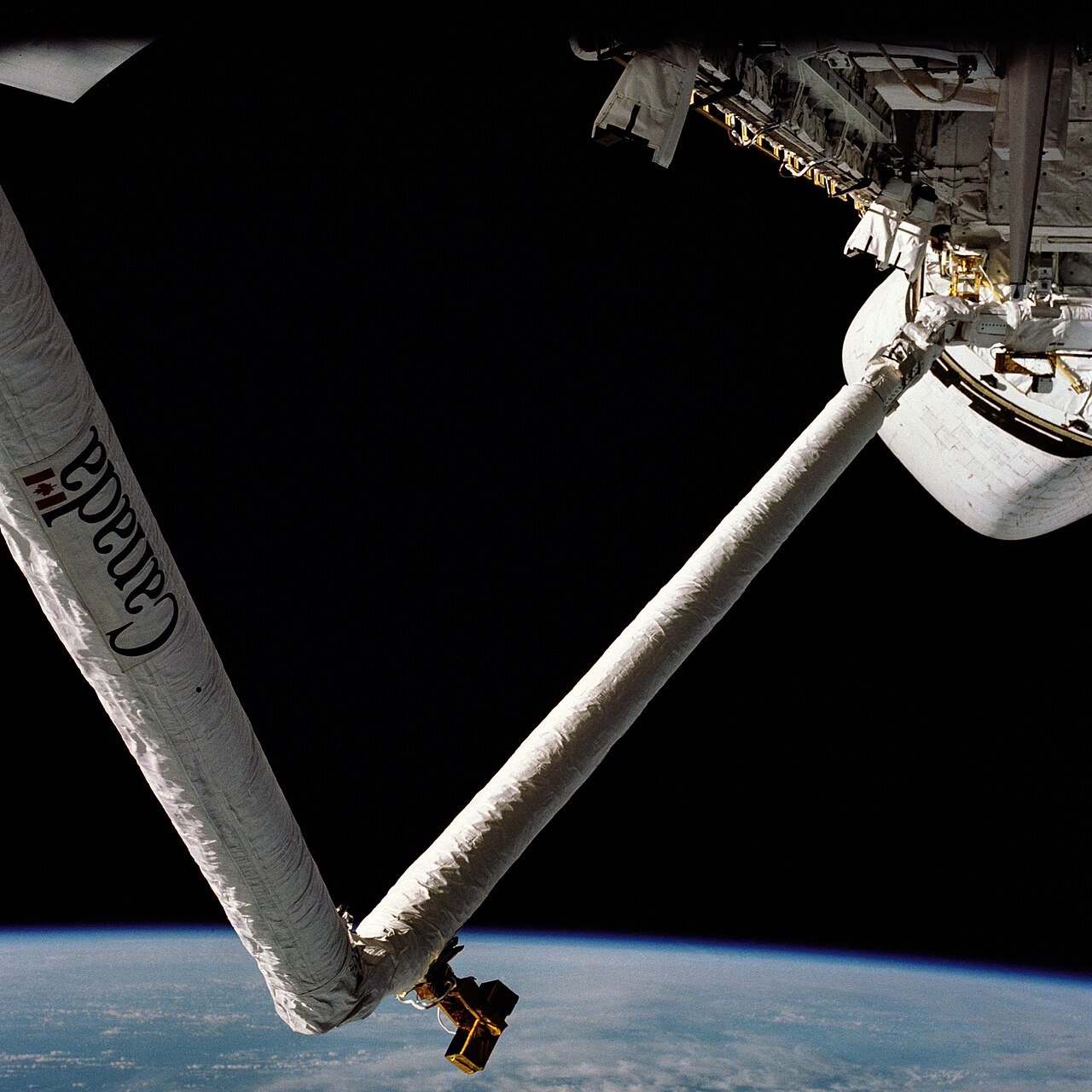
Second shuttle flight; first reuse of an orbiter and first robotic arm test.

NASA · Public domain
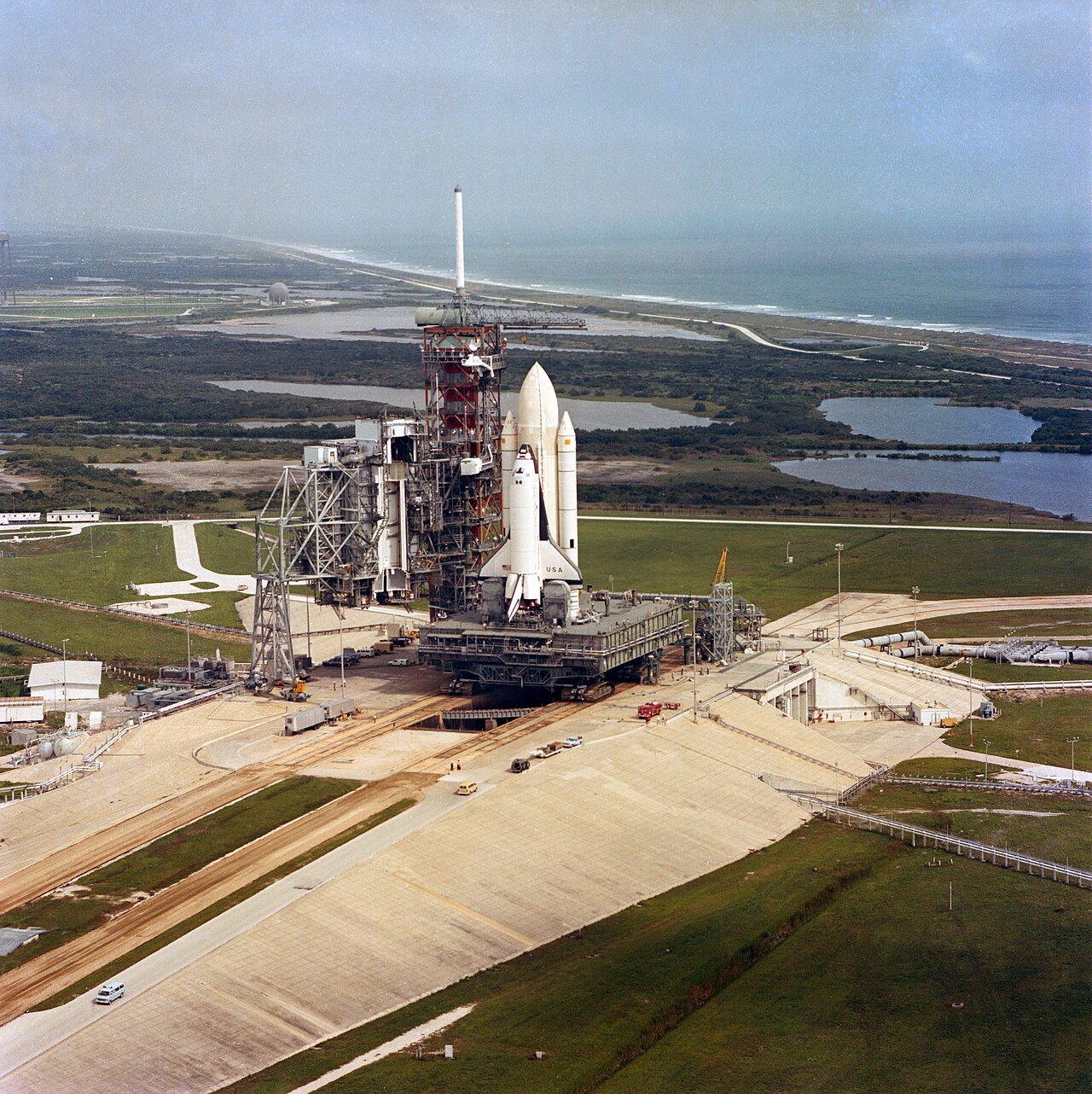
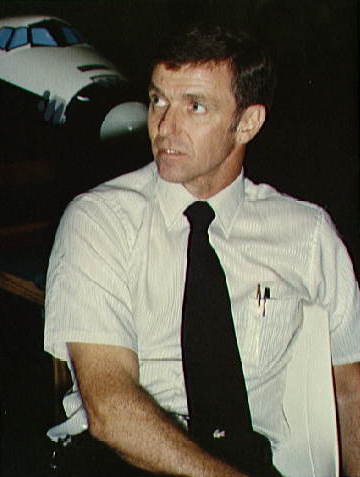
STS-2 was the second Space Shuttle mission and the first to re-fly a previously flown orbiter, Columbia. Launched on November 12, 1981, it was commanded by Joe H. Engle with Richard H. Truly as pilot. The mission carried the OSTA-1 payload, a suite of remote-sensing instruments, and tested the Shuttle's robotic arm for the first time. It was also the first crewed spacecraft to be re-flown after a previous orbital flight.
Quick Facts
- Names List
- Space Transportation System-2
- Mission Type
- Flight test
- Operator
- NASA
- Distance Travelled
- 1730000 km
- Orbits Completed
- 37
- Spacecraft
- 102
- Launch Mass
- 104647 kg
- Landing Mass
- 92650 kg
- Payload Mass
- 8517 kg
- Crew Size
- 2
- Crew Members
- Joe Engle · Richard H. Truly
- Launch Site
- Kennedy, LC-39A
Facts from the source article.
Lore & Background
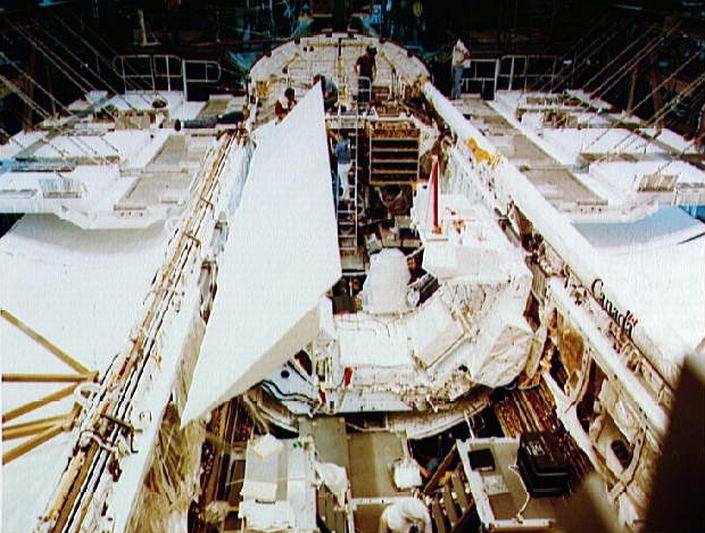
STS-2 was originally intended to be the first orbital test of the Space Shuttle, but delays in the development of Columbia's thermal protection system pushed the first flight to STS-1. The mission's primary objectives included verifying the orbiter's performance in orbit, testing the Remote Manipulator System (Canadarm) for the first time, and conducting Earth observation experiments with the OSTA-1 payload. The crew also performed a series of engineering tests to validate systems for future operational flights.
During the mission, the crew faced a significant challenge when one of the three fuel cells failed, forcing an early end to the planned five-day flight. Despite this, the astronauts successfully completed most primary objectives, including the first deployment and retrieval of a payload using the robotic arm. The mission also demonstrated the ability to land at the White Sands Space Harbor in New Mexico, a backup landing site, due to weather issues at Edwards Air Force Base.
STS-2 marked a milestone in reusability: Columbia had flown on STS-1 just seven months earlier, proving that the Shuttle could be refurbished and re-flown. The mission's success paved the way for the operational phase of the Space Shuttle program, though it also highlighted the need for improved fuel cell reliability.
Reader's Guide
STS-2 demonstrated the reusability of the Space Shuttle by returning Columbia to space with a second crew, a key step in proving the Shuttle concept. Despite a shortened mission, over 90% of objectives were achieved, including successful tests of the Canadarm and remote sensing instruments like the Shuttle Imaging Radar. The mission also provided critical data on vehicle stability margins through manually flown Programmed Test Inputs during reentry, informed by Engle's X-15 experience. The O-ring damage observed on STS-2 foreshadowed a systemic flaw that would later prove catastrophic. The decision to stop painting the external tank, saving 272 kg, became a visual hallmark of the Shuttle program. STS-2's all-rookie crew was unique in Shuttle history, and afterward NASA required all Shuttle commanders to have prior spaceflight experience.
Did You Know?
- STS-2 was the first Space Shuttle mission to carry a crew that had previously flown together in space; Engle and Truly had both flown on STS-1.
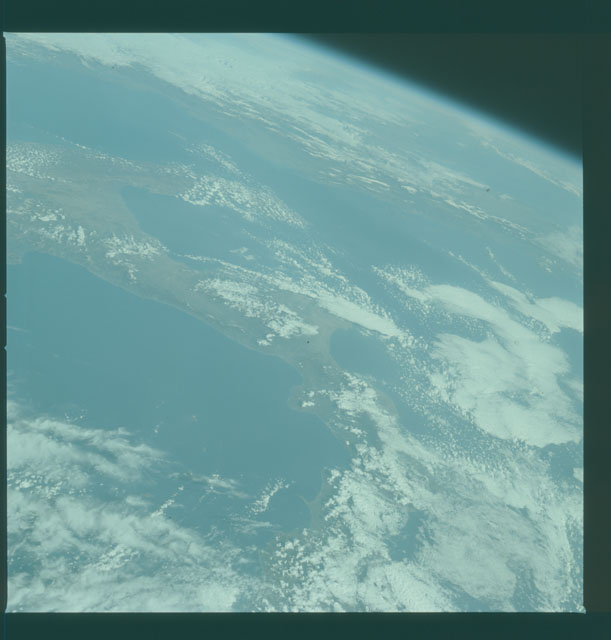
- The mission's OSTA-1 payload included a synthetic aperture radar that produced the first radar images of Earth from a crewed spacecraft.
- Richard Truly's birthday occurred during the mission (November 12), but he was not the first astronaut to fly on his birthday; that distinction belongs to earlier astronauts such as Charles Bolden on STS-61-C.
- The O-ring blow-by observed on STS-2 was not the first such occurrence; it had been noted on STS-1, and the issue was later linked to the Challenger disaster.
The Original Vision and Its Revision
In the early 1970s, NASA's planners dreamed in enormous numbers. By 1972, their projections called for 570 Space Shuttle missions to be flown over just a single decade, spanning 1980 through 1991. That staggering figure reflected a belief that the orbiter would become a routine workhorse of American spaceflight almost overnight. Yet reality moved more slowly than optimism. The estimate was eventually trimmed to 487 launches, and the window stretched a year to 1992, signaling that the pace of development and operational readiness would not match the initial timetable. The first twenty-three of those projected flights were documented in two key sources: the third edition of Reginald Turnill's Manned Spaceflight, published in 1978, and the first edition of the STS Flight Assignment Baseline, an internal NASA document that went out in October 1977. Together, these records capture a program at the height of its ambition, before delays, disasters, and shifting priorities would reshape which missions actually reached orbit and which were quietly retired from the books.
The Abort Profile That Never Flew
Among the most dramatic proposals in the Shuttle's early planning was the idea of using the very first crewed flight, STS-1, as a live demonstration of the Return to Launch Site abort procedure. Under this concept, the orbiter Columbia would have lifted off from Kennedy Space Center, then executed a full 180-degree turn while traveling at 8,400 kilometres per hour—roughly 5,200 miles per hour, or 6.7 times the speed of sound—before touching down on the same runway from which it had departed. The maneuver was designed to validate the RTLS flight profile, a critical emergency option that would allow the crew to abort an ascent and return to the launch complex rather than continuing to orbit. It was an extraordinarily aggressive test: a sub-orbital flight with a supersonic turnaround, all in the name of proving that the abort corridor worked. The plan represented NASA's willingness to push the envelope on its maiden crewed mission, treating the flight as both a demonstration of capability and a stress test of the vehicle's most demanding emergency procedure.
The Crew Said No
The RTLS test plan met with an immediate and firm refusal from the astronauts who would have been aboard. The crew judged the maneuver to be far too dangerous to attempt on the program's inaugural crewed flight, and they made their position clear to NASA leadership. STS-1 commander John W. Young later recalled the exchange with characteristic bluntness, comparing the proposal to playing Russian roulette with a gun that might be loaded. In his telling, he flatly said no, warned his colleagues against practicing with a weapon that could kill them, and the plan was dropped. The decision underscored a fundamental tension in the Shuttle program's early years—the gap between NASA's institutional desire to validate every system as quickly as possible and the crew's right to refuse a mission profile they considered beyond acceptable risk. In the end, the astronauts' collective judgment prevailed, and STS-1 flew a more conventional orbital profile, leaving the RTLS procedure to be demonstrated through other means.
A Program Reshaped by Loss and Delay
The Space Shuttle program's flight manifest was never static. From the earliest planning stages through the final years of operations, missions were added, modified, and canceled for a variety of reasons. Some cancellations stemmed directly from the two catastrophic losses that bookended the program's operational era: the Challenger disaster in 1986 and the Columbia disaster in 2003. Each tragedy triggered a cascade of schedule changes, safety reviews, and mission reassignments that eliminated planned flights. Other cancellations were driven by the slow and costly development of the orbiter itself, which pushed the operational timeline further out than originally envisioned. Still others resulted from straightforward changes in payload requirements or shifting mission objectives that made a particular flight no longer necessary. The net effect was a program whose actual flight count fell well short of the 570-mission vision first articulated in 1972, a reminder that even the most ambitious aerospace programs are subject to the unpredictable forces of technology, tragedy, and institutional change.
Gallery

Frequently Asked Questions
What was STS-2?
STS-2 was the second flight of the Space Shuttle program, piloting the orbiter Columbia on a brief two-day mission in November 1981 with a crew of two.
Who were the astronauts on STS-2?
Joe H. Engle and Richard H. Truly shared the cockpit of Columbia for this flight.
Why is STS-2 considered a milestone?
It was the first time in human spaceflight history that a crewed, reusable orbital vehicle completed a mission and then went back to fly again, validating the core reusability principle behind the Shuttle.
What experiments did STS-2 carry?
The payload included the Shuttle Imaging Radar, the Canadarm (formally the Shuttle Remote Manipulator System), the Shuttle Multispectral Infrared Radiometer, and other OSTA-1 experiments.
How long was the STS-2 mission?
Columbia lifted off on November 12, 1981, and landed on November 14, for a total duration of about two days, six hours, and thirteen minutes.
More in Space Shuttle missions 1-24
Spotted an error? Know more?
Reader corrections go straight into our review queue. Suggest an edit · How this site is sourced