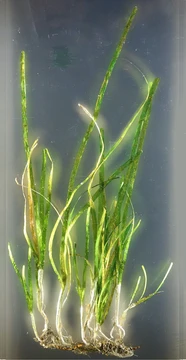
Zostera muelleri
A fast-colonizing seagrass of southern temperate coasts.

Jacqui Geux · CC BY 4.0
**Zostera muelleri** is a temperate seagrass found in the Southern Hemisphere, native to the coasts of South Australia, Victoria, Tasmania, and New Zealand. Today, its range also includes parts of Papua New Guinea, the eastern Indian Ocean, and the southwestern and west-central Pacific. Commonly called eelgrass or garweed, this marine flowering plant grows quickly and spreads easily, providing food for wading birds and aquatic animals, and serving as a nursery for young fish and shrimp.
Seagrasses are true flowering plants—unlike seaweed, which lacks flowers, fruits, and seeds. They play several key roles in marine ecosystems: they offer food, shelter, and breeding sites for many species; their meadows act as major carbon sinks, storing 10–18% of the ocean’s carbon over the long term; and they help build up sediment and buffer coastlines against wave damage.
**Taxonomy** *Zostera muelleri* belongs to the order Alismatales, one of about 72 seagrass species spread across three families: Zosteraceae, Hydrocharitaceae, and Cymodoceaceae. There has been some taxonomic confusion around this species. It was once split into separate species—*Z. mucronata*, *Z. capricorni*, and *Z. novazelandica*—but molecular and morphological studies later showed they are all the same. In 2006, Jacobs et al. settled on the name *Z. muelleri*. The species has three subspecies: *Z. muelleri* subsp. *capricorni*, subsp. *mucronata*, and subsp. *muelleri*.
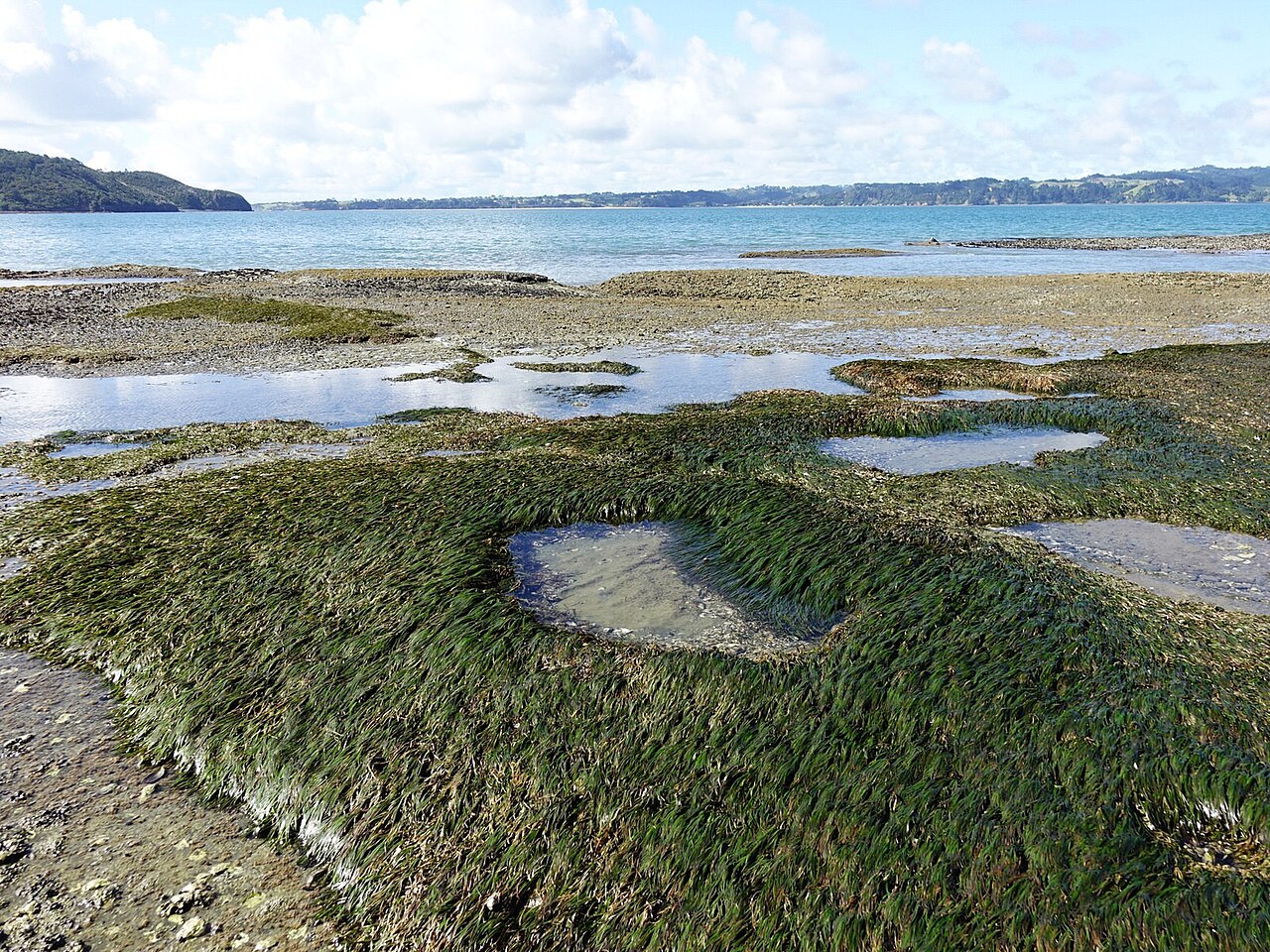
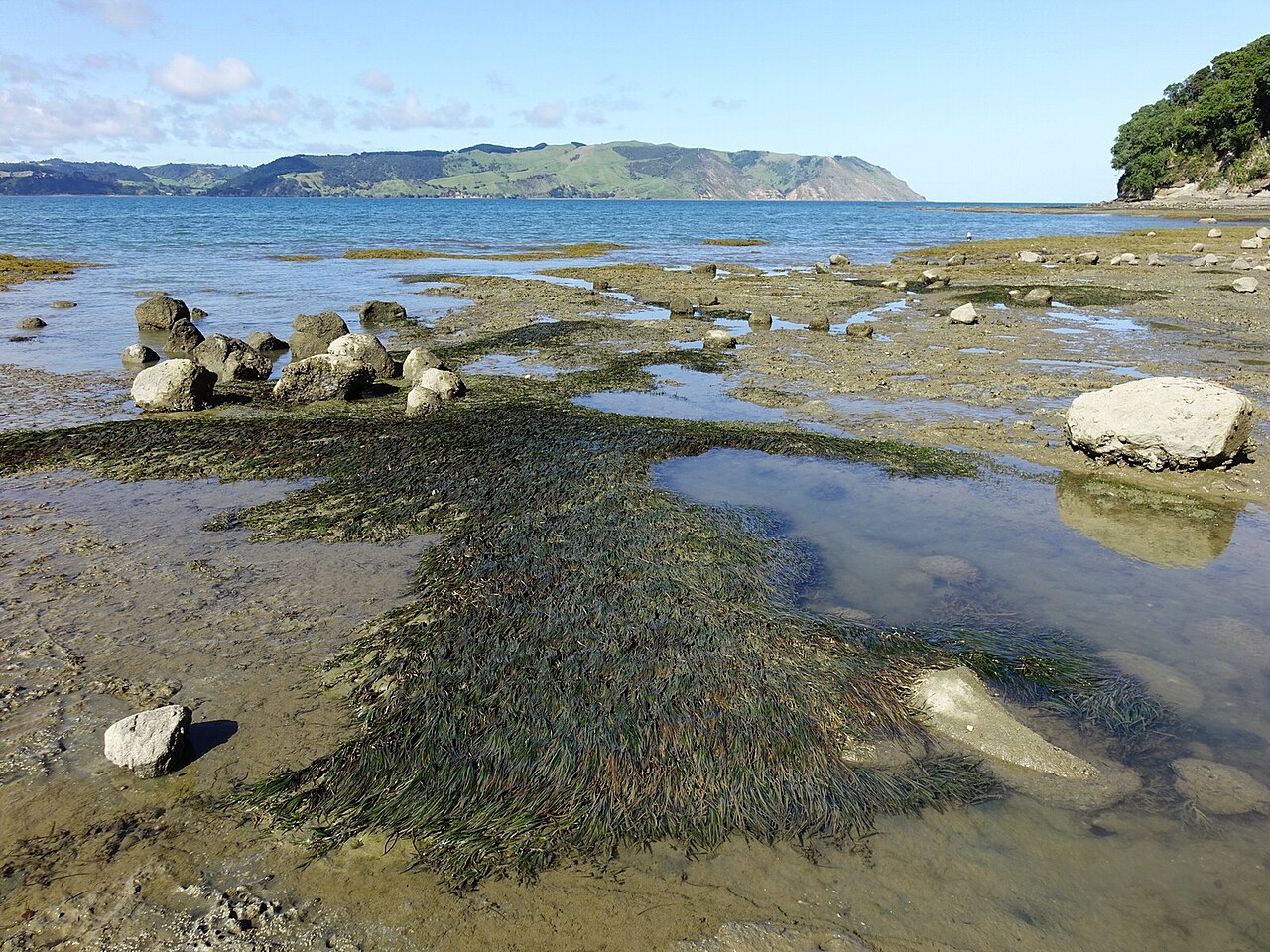
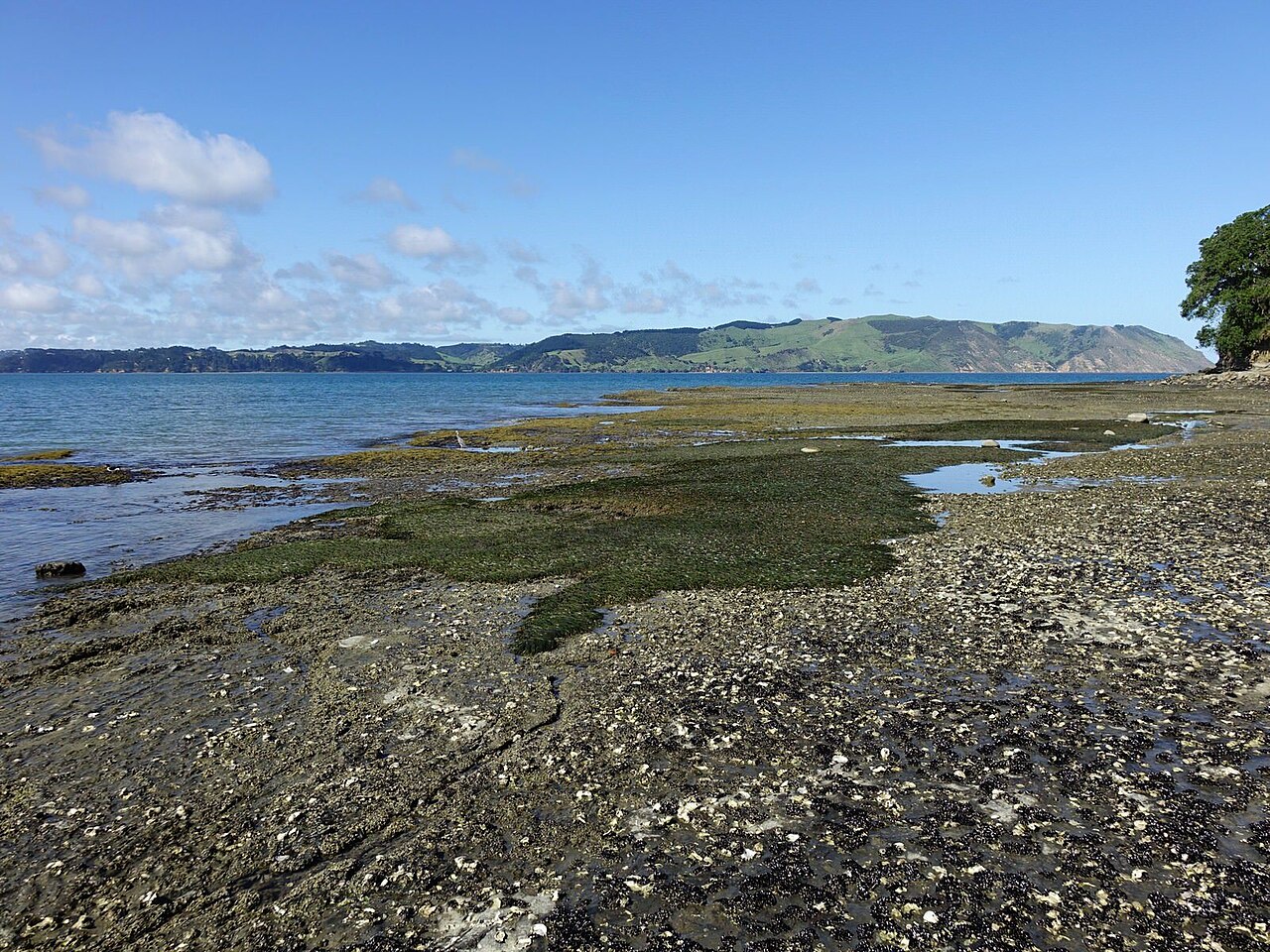
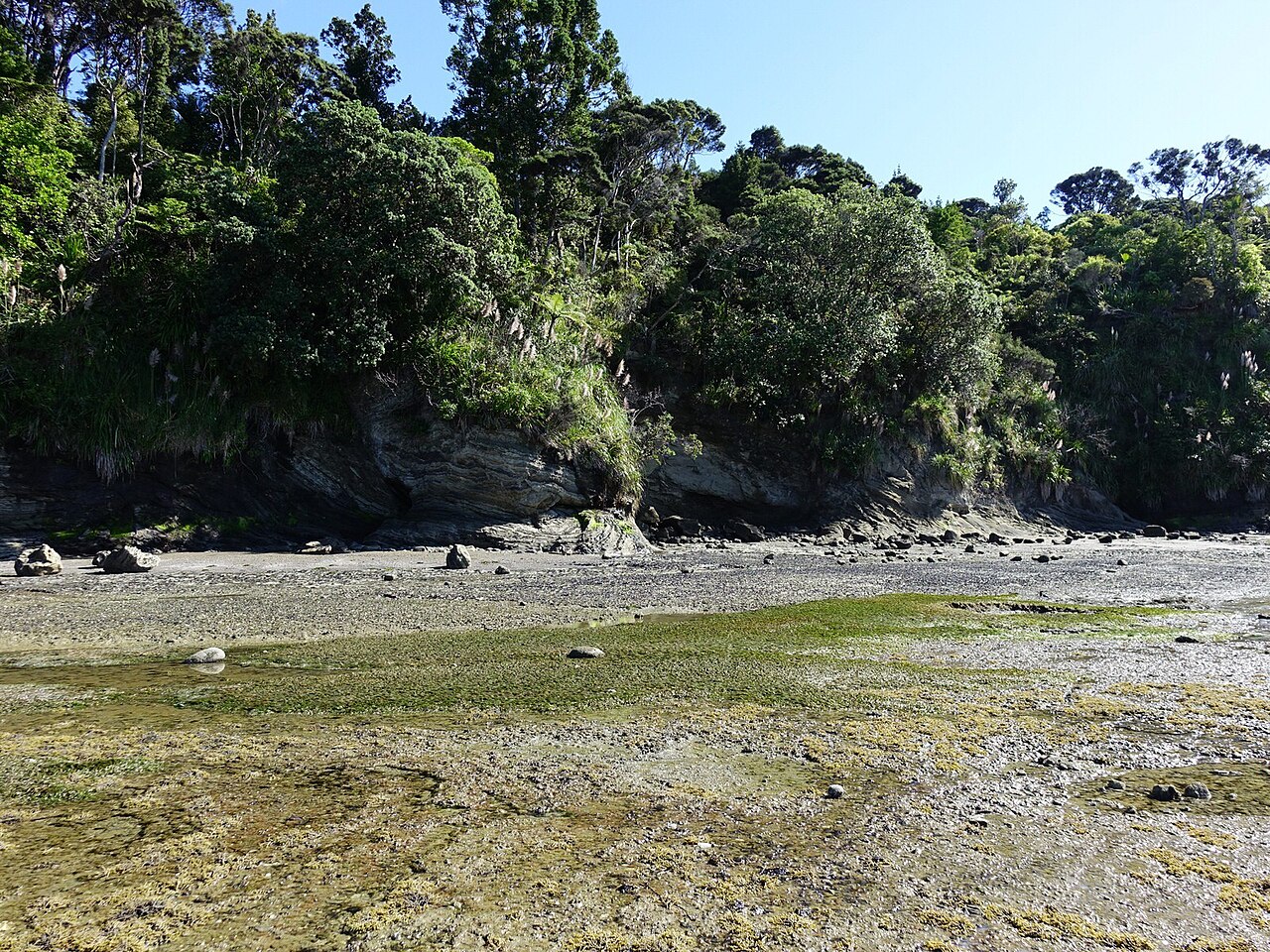
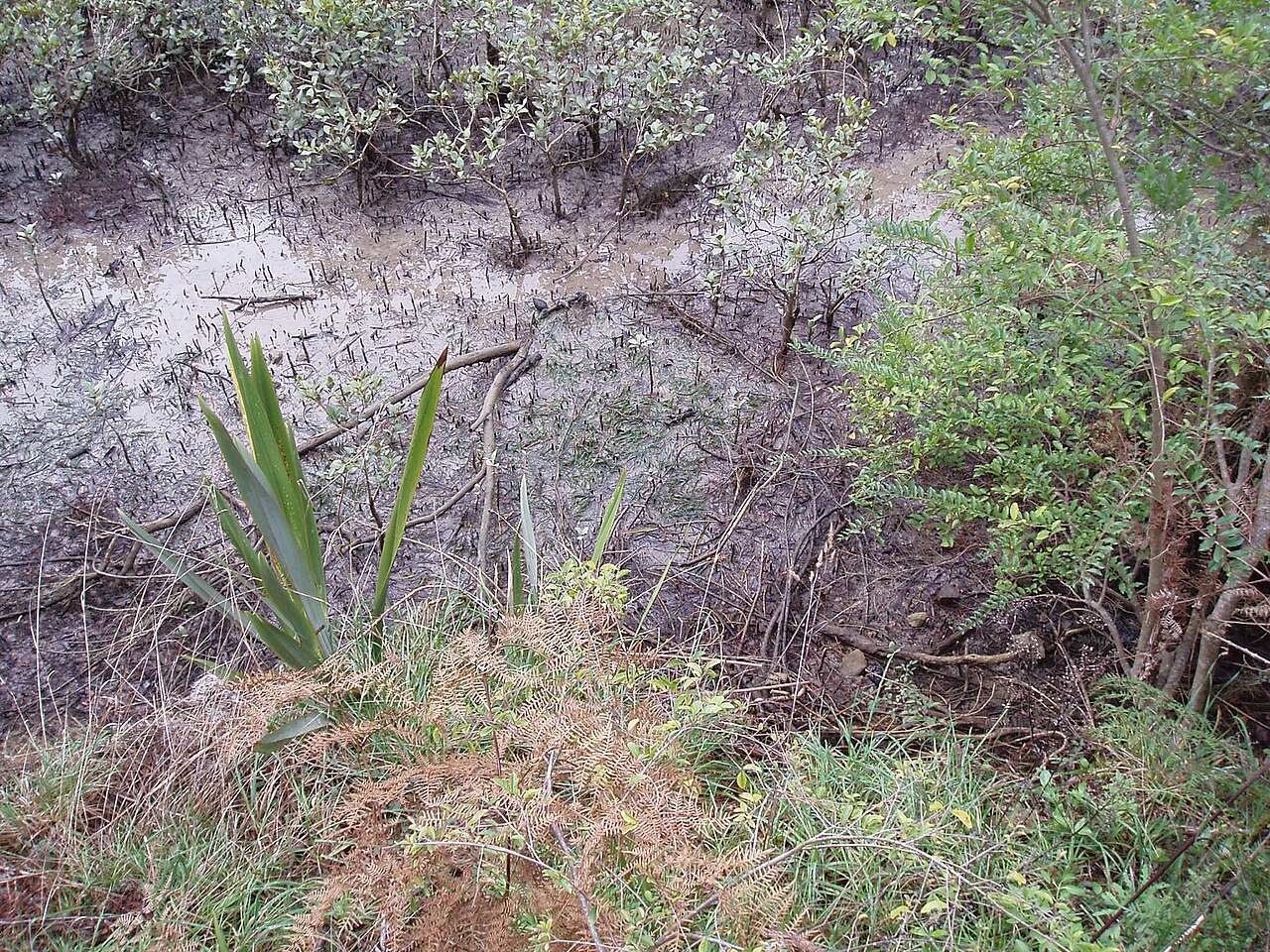
**Habitat and geographic range** This perennial seagrass lives year-round in places like intertidal sand flats, sheltered coastal bays, soft muddy or sandy areas near reefs, estuaries, shallow bays, and intertidal shoals. It is uncommon on reefs because space and nutrients are limited there. Though marine, it can tolerate some freshwater. It often forms single-species meadows but can also grow alongside *Ruppia*, *Halophila*, and *Lepilena*. Its range is widespread across southern Australia, New Zealand, and Papua New Guinea.
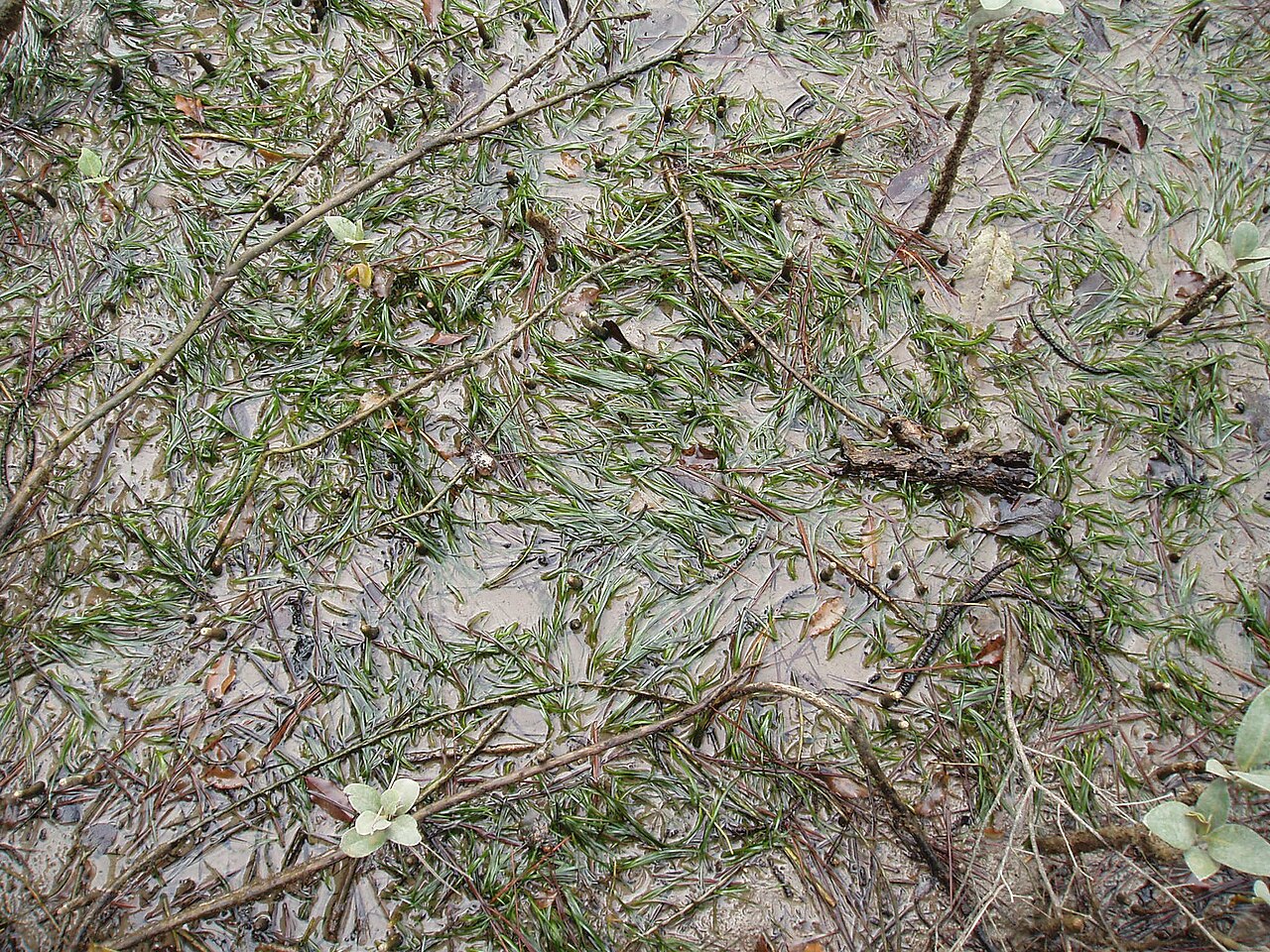
**Morphology** *Zostera muelleri* has long, strap-shaped leaves with rounded tips and thin rhizomes less than 3 mm in diameter. The leaves have visible cross-veins. Rhizomes are dark brown or yellow—young ones are usually yellow—and leaves can turn red under intense sunlight. Its appearance can be confused with *Z. tasmanica* and *Z. capensis*, and thin-leaved forms sometimes resemble *H. uninervus*.
Quick Facts
- Genus
- Zostera
- Species
- muelleri
Facts from the source article.
Lore & Background
Zostera muelleri belongs to the order Alismatales. There is taxonomic uncertainty with this species; it is synonymous with Z. mucronata, Z. capricorni, and Z. novazelandica, which were once separate species but molecular and morphological studies have confirmed they are members of the same species. In 2006, Jacobs et al. suggested the final name be Z. muelleri. It has three subspecies: Z. muelleri subsp. capricorni, Z. muelleri subsp. mucronata, and Z. muelleri subsp. muelleri.
This perennial species is mostly found in littoral or sublittoral sand flats, sheltered coastal embayments, soft muddy sandy areas near a reef, estuaries, shallow bays, and intertidal shoals. It is not common on reefs. It can tolerate some freshwater inputs and mostly occurs in mono-specific meadows, but can grow alongside Ruppia, Halophila, and Lepilena. Morphologically, it has long strap-shaped leaves, rounded leaf tips, thin rhizomes less than 3 mm in diameter, and visible cross-veins in the leaf. Rhizomes are dark brown or yellow; young rhizomes are typically yellow, and leaves can turn red under high sunlight. It can be confused with Z. tasmanica and Z. capensis, and thin-leaved specimens with H. uninervus.
Reader's Guide
Zostera muelleri is significant as a seagrass that provides food, homes, and breeding grounds to a variety of marine species. Meadows of seagrass, including this species, are important carbon reservoirs or sinks, sequestering 10–18% of the ocean's carbon accumulation for long-term storage. Seagrasses also enhance sediment accretion and protect coastlines from destructive wave energy. The species evolved from terrestrial plants around 140 million years ago during the Cretaceous period, adapting to marine life by losing or modifying genes for hormone biosynthesis, cell wall catabolism, ethylene synthesis, stomatal differentiation, terpenoid synthesis, and ultraviolet resistance, while retaining genes for salinity tolerance and stress-resistance.
Reproductively, Z. muelleri can reproduce both sexually and asexually. Sexual reproduction increases genetic variation, but asexual reproduction via rhizome encroachment requires less effort and is typically used to maintain populations. When reproducing sexually, flowers form an inflorescence enclosed in a spathe; each shoot can have up to 6 spathes containing 4–12 pairs of male and female flowers. Male flowers typically mature before female flowers. Once a flowering shoot matures, it darkens, breaks off, and floats away, depositing seeds elsewhere. Threats include coastal development, eutrophication, boat mooring, dredging, agricultural/urban runoff, and sedimentation. Meadows have been lost in Port Phillip Bay and New Zealand due to habitat disturbance, sedimentation, and turbidity. During the 1960s, New Zealand meadows were affected by a wasting disease. Climate change may threaten tropical populations due to lower heat tolerance. There are currently no conservation measures for this species.
Did You Know?
- During the 1960s, meadows of Z. muelleri in New Zealand were affected by a wasting disease.
- Seagrass meadows, including those of Z. muelleri, sequester 10–18% of the ocean's carbon accumulation.
Taxonomy and the Puzzle of Species Identity
Zostera muelleri sits within the order Alismatales, one of roughly 72 recognized seagrass species distributed across three families: Zosteraceae, Hydrocharitaceae, and Cymodoceaceae. For much of its taxonomic history, what we now call Z. muelleri was split into several distinct species—Z. mucronata, Z. capricorni, and Z. novazelandica—each treated as a separate taxon. However, subsequent molecular and morphological investigations revealed that these were all members of a single, genetically cohesive species. In 2006, Jacobs and colleagues proposed consolidating the name under Z. muelleri, a designation that has since become the accepted standard. The species is further divided into three subspecies: Z. muelleri subsp. capricorni, Z. muelleri subsp. mucronata, and Z. muelleri subsp. muelleri. This taxonomic journey reflects the broader challenge of classifying marine angiosperms, where geographic isolation once led researchers to over-split what is, in reality, a single widespread and adaptable eelgrass lineage spanning the southern hemisphere.
Where It Grows: Habitat and Geographic Reach
As a perennial marine angiosperm, Zostera muelleri establishes itself in a variety of sheltered coastal settings across the southern hemisphere. Its native range encompasses the seacoasts of South Australia, Victoria, and Tasmania, as well as New Zealand, but its current distribution extends into Papua New Guinea, the eastern Indian Ocean, and the southwest and western central Pacific. The plant favors littoral and sublittoral sand flats, soft muddy or sandy substrates near reefs, estuaries, shallow bays, and intertidal shoals. It is notably absent from reef environments, where limited space and nutrient availability make establishment difficult. While it is a marine species, Z. muelleri can tolerate some degree of freshwater input. It most often forms mono-specific meadows, though it occasionally grows in mixed communities alongside Ruppia, Halophila, and Lepilena. Its fast-growing, readily colonizing nature allows it to spread efficiently through suitable habitats, making it a dominant feature of temperate coastal seascapes from Australia to the Pacific.
From Land to Sea: Evolution and Reproduction
Zostera muelleri traces its origins to terrestrial ancestors that transitioned into marine environments approximately 140 million years ago during the Cretaceous period. This dramatic shift required significant genomic reorganization. The species lost or modified numerous genes once essential for land-based survival, including those governing ethylene synthesis and signaling, pectin catabolism, stomatal differentiation, terpenoid synthesis, and ultraviolet resistance. Meanwhile, genes conferring salinity tolerance and general stress resistance were retained, reflecting the ongoing demands of ocean life. In terms of reproduction, Z. muelleri employs both sexual and asexual strategies. Asexual propagation through rhizome encroachment—essentially clonal growth—is the primary means of maintaining populations and recovering from intense disturbances. Sexual reproduction, while less frequent, generates genetic diversity that may aid adaptation. During flowering, each shoot produces up to six spathes containing four to twelve pairs of male and female flowers. Male flowers typically mature first. Once the flowering shoot darkens, it detaches and drifts away, depositing enclosed seeds into new sediment.
Vulnerability and the Absence of Protection
Despite its ecological importance as a feeding ground for wading birds and aquatic animals, a nursery for juvenile fish and shrimp, and a significant carbon sink sequestering ten to eighteen percent of the ocean's carbon accumulation, Zostera muelleri faces mounting pressure from multiple human activities. Coastal development, eutrophication, boat mooring, dredging, agricultural and urban runoff, and sedimentation all degrade the habitats it depends upon. Documented losses include meadows in Port Phillip Bay and across New Zealand, where habitat disturbance, sedimentation, and turbidity have driven local extirpations. In the 1960s, a wasting disease further devastated New Zealand populations. Looking ahead, climate change poses an additional risk: because Z. muelleri is less heat-tolerant than tropical seagrass species, warming waters in tropical regions could push it beyond its thermal limits. Compounding these threats, there are currently no formal conservation measures in place for this species, leaving its future largely unprotected.
Gallery
Frequently Asked Questions
Who is Zostera muelleri?
Zostera muelleri is a temperate marine flowering plant, widely known as eelgrass or garweed, native to the southern coasts of Australia and New Zealand. It sits within the order Alismatales and is one of roughly 72 recognized seagrass species on Earth.
What are Zostera muelleri's powers or ecological role?
As a fast-colonizing seagrass, it rapidly establishes dense underwater meadows that shelter juvenile fish and shrimp while feeding wading birds and other aquatic animals. Its slender rhizomes, never reaching 3 mm in diameter, let it spread across new substrate with remarkable speed.
Why is Zostera muelleri important?
It serves as a vital nursery habitat for young fish and invertebrates while simultaneously supplying forage to shorebirds and other marine fauna. As a true flowering plant that produces flowers, fruits, and seeds—unlike seaweed—it represents a lineage that evolved from terrestrial ancestors roughly 140 million years ago during the Cretaceous.
What subspecies of Zostera muelleri exist?
Three subspecies are currently recognized: Z. muelleri subsp. muelleri, Z. muelleri subsp. mucronata, and Z. muelleri subsp. capricorni. Each occupies a slightly different slice of the species' broad southern-hemisphere distribution.
More in Seagrasses 1-24
Spotted an error? Know more?
Reader corrections go straight into our review queue. Suggest an edit · How this site is sourced