Group 11 element
Group of metals including copper, silver, gold, and roentgenium.
Last updated

KKPCW · CC BY-SA 4.0
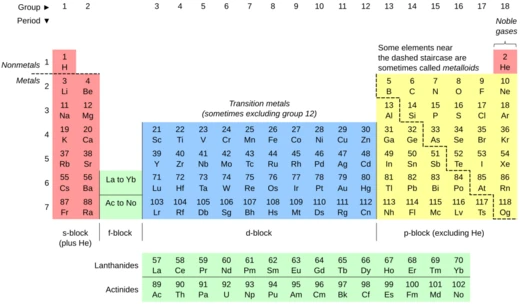
Group 11, by modern IUPAC numbering, is a group of chemical elements in the periodic table consisting of copper (Cu), silver (Ag), gold (Au), and roentgenium (Rg). The first three members are known as the coinage metals due to their historical use in minting coins, and they were likely the first three elements discovered, occurring naturally in elemental form. All three stable elements have been known since prehistoric times, as they occur in metallic form in nature and require no extraction metallurgy.
Copper was known and used around 4000 BC for many items and weapons. The earliest evidence of silver mining dates to 3000 BC in Turkey and Greece, with ancient peoples having developed refining techniques. Gold, found free or native, is the earliest recorded metal used by humans; small amounts have been found in Spanish caves from the late Paleolithic period, around 40,000 BC.

Gold artifacts appear in Egypt at the end of the fifth millennium BC, and smelting was developed during the fourth millennium BC. Roentgenium was synthesized in 1994 by bombarding nickel-64 atoms into bismuth-209, though no experiments have confirmed it behaves as a heavier homologue to gold. All group 11 elements are relatively inert, corrosion-resistant metals; copper and gold are colored, while silver is not, and roentgenium is expected to be silvery. They have low electrical resistivity, making them ideal for wiring, with copper being the cheapest and most widely used.

Silver is the most thermally conductive and light-reflecting element, and its tarnish remains highly conductive. These metals are soft and easily damaged in daily use, so they are alloyed with other metals for coin durability. Copper remains common in coins today, either as copper clad or in cupronickel alloys, while silver and gold are now used mainly for bullion due to rising metal prices.

Lore & Background
All three stable elements of Group 11 have been known since prehistoric times, as they occur in metallic form in nature and require no extraction metallurgy. Gold artifacts appear in Egypt at the end of the fifth millennium BC and in Lower Mesopotamia during the early 4th millennium BC. Copper was known and used around 4000 BC for items and weapons. The first evidence of silver mining dates to 3000 BC in Turkey and Greece, with ancient peoples also refining it.

The group, by modern IUPAC numbering, includes copper, silver, gold, and the synthetic roentgenium, though no experiments have confirmed roentgenium behaves as a heavier homologue to gold. The first three are called coinage metals; copper remains common in coins, while silver and gold are used for bullion. They are relatively inert, corrosion-resistant metals. Copper and gold are colored; silver is not, and roentgenium is expected to be silvery.
They have low electrical resistivity, with copper being the cheapest and most widely used for wiring, gold for integrated circuit bond wires, and silver for special applications. Copper occurs natively in Chile, China, Mexico, Russia, and the USA, with copper pyrite as the principal ore. Silver is found native, as an alloy with gold (electrum), and in ores like argentite and chlorargyrite, extracted via the Parkes process. These metals are excellent conductors; silver is the most conductive by volume, the most thermally conductive, and the most light-reflecting.
Silver tarnish remains highly conductive. They are soft and easily damaged, so coins are alloyed with other metals for durability. Gold coins are often 90% or 22 carat gold; silver coins 90% or sterling; copper coins around 97% purity. Modern coins often use base metals like cupronickel or nickel-brass.
The Coinage Metals: A Group Forged in History
Group 11 carries the informal title "coinage metals," a name that speaks to the practical heritage of copper, silver, and gold as materials shaped into currency across civilizations. The group's identity as a family rests on shared chemical behavior rooted in their outermost electron shells, which confer a common core charge and similar orbital arrangements. However, the membership question becomes thorny at the bottom of the column.
Roentgenium (Rg) sits in group 11 and is expected to be chemically similar to gold, yet its extreme radioactivity and short half-life make it entirely unsuitable for the coinage that gives the family its name. Because of this, some authors exclude it from the coinage metal designation, while others include it purely on the basis of its column position. This tension between chemical expectation and practical reality makes Group 11 a fascinating case where a group's traditional name collides with the realities of superheavy element chemistry.
Reader's Guide
Group 11 elements are relatively inert, corrosion-resistant metals with low electrical resistivity, making them essential for wiring and electrical applications. Copper is the cheapest and most widely used for wiring, while gold is used for bond wires in integrated circuits, and silver appears in special applications. Silver is the most conductive metal by volume, the most thermally conductive, and the most light-reflecting. These metals have been historically used for coinage, though inflation has led most modern coins to be made of base metals.
Copper remains common in coins, either as copper clad or in cupronickel alloy. Biologically, copper is essential for life but toxic in excess, while elemental gold and silver have no known toxic effects, though their salts can be harmful. Roentgenium is radioactive and likely extremely harmful. The group's combination of conductivity, corrosion resistance, and historical monetary value has made them central to technology, medicine, and economics.
More in Periodic Table & Elements
Sources
Compiled from Wikipedia and the sources listed below. Text from Wikipedia is available under CC BY-SA 4.0; this entry is adapted from it.
- Wikipedia: Group 11 element (CC BY-SA 4.0).
- Word definitions: the Codexery glossary, each quoted from its Wikipedia article.
Spotted an error? Know more?
Reader corrections go straight into our review queue. Suggest an edit · How this site is sourced