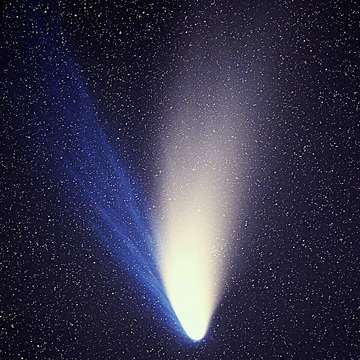
26P/Grigg–Skjellerup
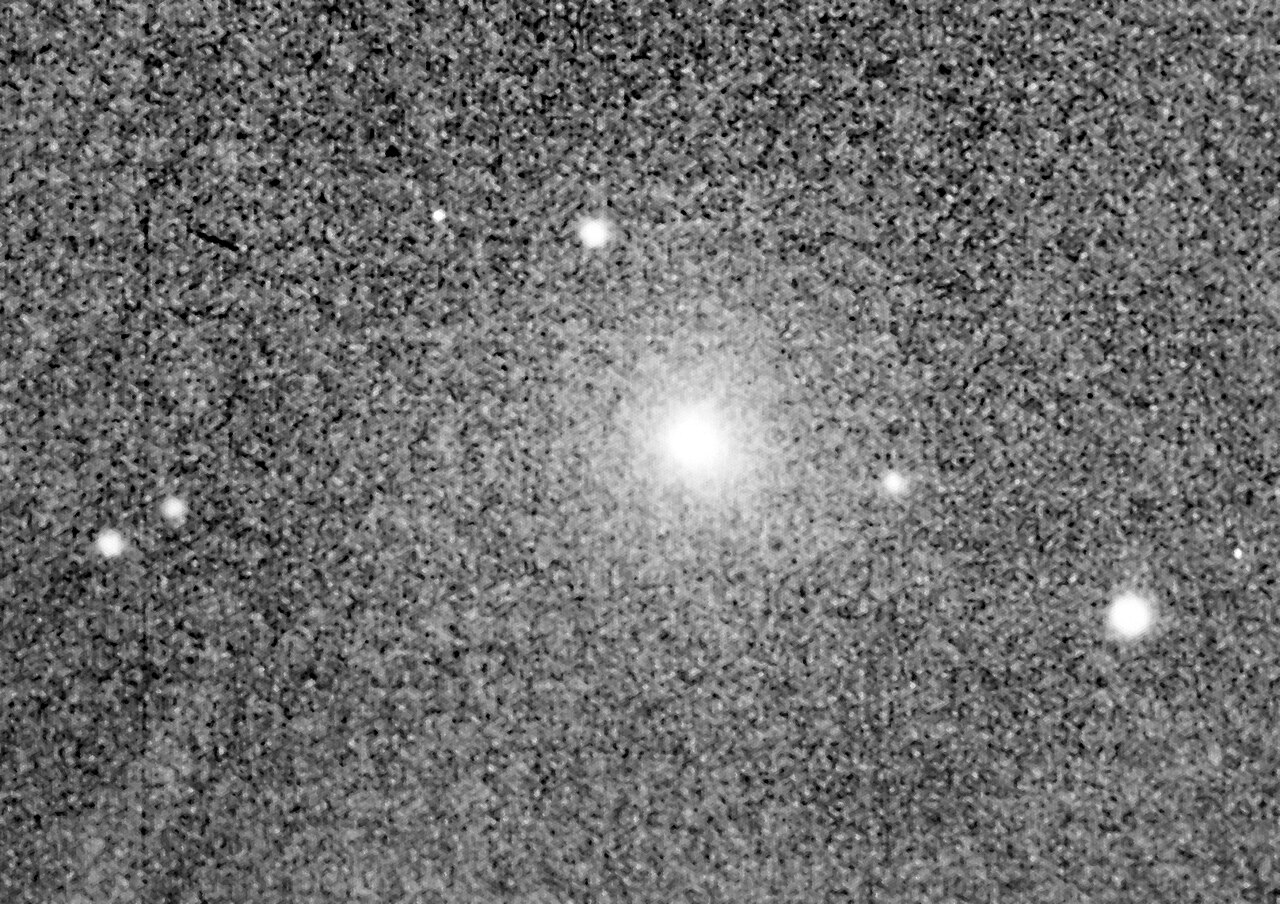
Periodic comet visited by Giotto in 1992.

ESO · CC BY 4.0
26P/Grigg–Skjellerup is a periodic comet discovered in 1902 by John Grigg of New Zealand and rediscovered in 1922 by John Francis Skjellerup, an Australian then living in South Africa. It is notable as the second comet visited by the Giotto spacecraft, which flew within 200 km in July 1992, though its camera had been damaged during the earlier encounter with Halley's Comet.
Quick Facts
- Pronounced
- ' · g · r · I · g · _ · ' · s · k · E · l · @ · r · V · p
- Discoverer
- John Grigg / John Francis Skjellerup
- Discovery Date
- 23 July 1902 / 17 May 1922
- Mpc Name
- P/1808 C1, P/1902 O1 · P/1922 K1, P/1927 F1
- Designations
- 1808 III, 1902 II, 1922 I · 1927 V, 1932 II, 1937 III · 1942 V, 1947 II, 1952 IV · 1957 I, 1961 IX, 1967 I · 1972 II, 1977 VI, 1982 IV · 1987 X, 1992 XVIII
- Orbit Ref
- jpldata · MPC
- Epoch
- 17 October 2024 (JD 2460600.5)
- Observation Arc
- 216.67 years
- Earliest Precovery Date
- 6 February 1808Kresak_1987
- Obs
- 827
- Perihelion
- 1.084 AU
- Aphelion
- 4.947 AU
Facts from the source article.
Lore & Background
The comet was first observed by John Grigg in 1902 and independently rediscovered by John Francis Skjellerup in 1922. In 1987, Ľubor Kresák determined that Jean-Louis Pons had observed the comet in 1808, though the two observations in February of that year were insufficient to calculate an orbit. The comet produces the Pi Puppids meteor shower, which peaks around 23 April for southern hemisphere observers, especially when the comet is near perihelion. During its 1982 apparition, it was detected by radar at the Arecibo Observatory. The 2002 apparition was unfavorable due to solar conjunctions, and no observations were made. The comet's orbit has been significantly altered by Jupiter's gravity, with perihelion distance changing from 0.77 AU in 1725 to 1.12 AU in 1999. The nucleus is estimated at 2.6 km in diameter, and light-curve analysis from the Giotto flyby suggests it is an old comet, around 89 comet-years in age. Ground-based photometry indicates a non-spherical nucleus with a rotation period longer than 12 hours. The comet is the type locality for the mineral brownleeite.
Reader's Guide
Grigg–Skjellerup holds significance as the second comet targeted by the Giotto mission, chosen because its 1992 perihelion occurred close to Earth's orbit. After four years of hibernation following the Halley encounter, Giotto was reactivated in February 1990 and executed the first ever Earth flyby in space exploration history to reach the comet in July 1990. The spacecraft flew within 200 km on 10 July 1992, closer than its approach to Halley, but could not take pictures because its camera had been destroyed during the Halley rendezvous. Nevertheless, Giotto measured the interaction of the solar wind with the comet's coma. The spacecraft was deactivated 13 days later on 23 July 1992. A 1972 NASA proposal called Cometary Explorer, based on the Explorer 47/50 satellite, would have intercepted the comet at 1,000 km in April 1977 with an option to fly by 21P/Giacobini–Zinner, but was rejected due to budget cuts. In Neal Stephenson's novel Seveneves, the comet appears as a potential source of water and rocket propellant, nicknamed 'Greg's Skeleton'.
Did You Know?
- The comet was observed as early as 1808 by Jean-Louis Pons, though the two observations were insufficient to calculate an orbit.
- Giotto flew within 200 km of the comet on 10 July 1992, but its camera was destroyed during the Halley encounter.
- The comet produces the Pi Puppids meteor shower, peaking around 23 April for southern hemisphere observers.
Gallery
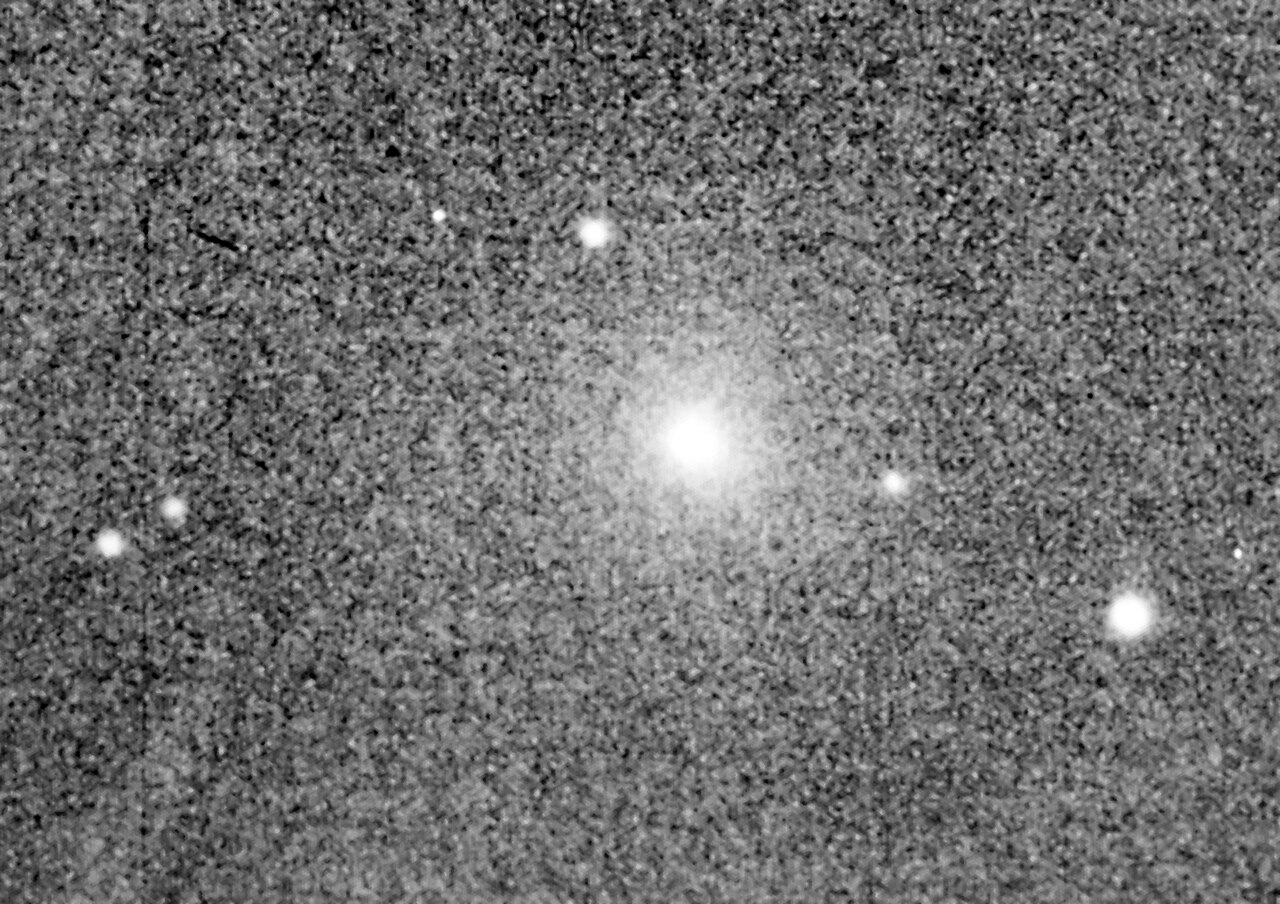
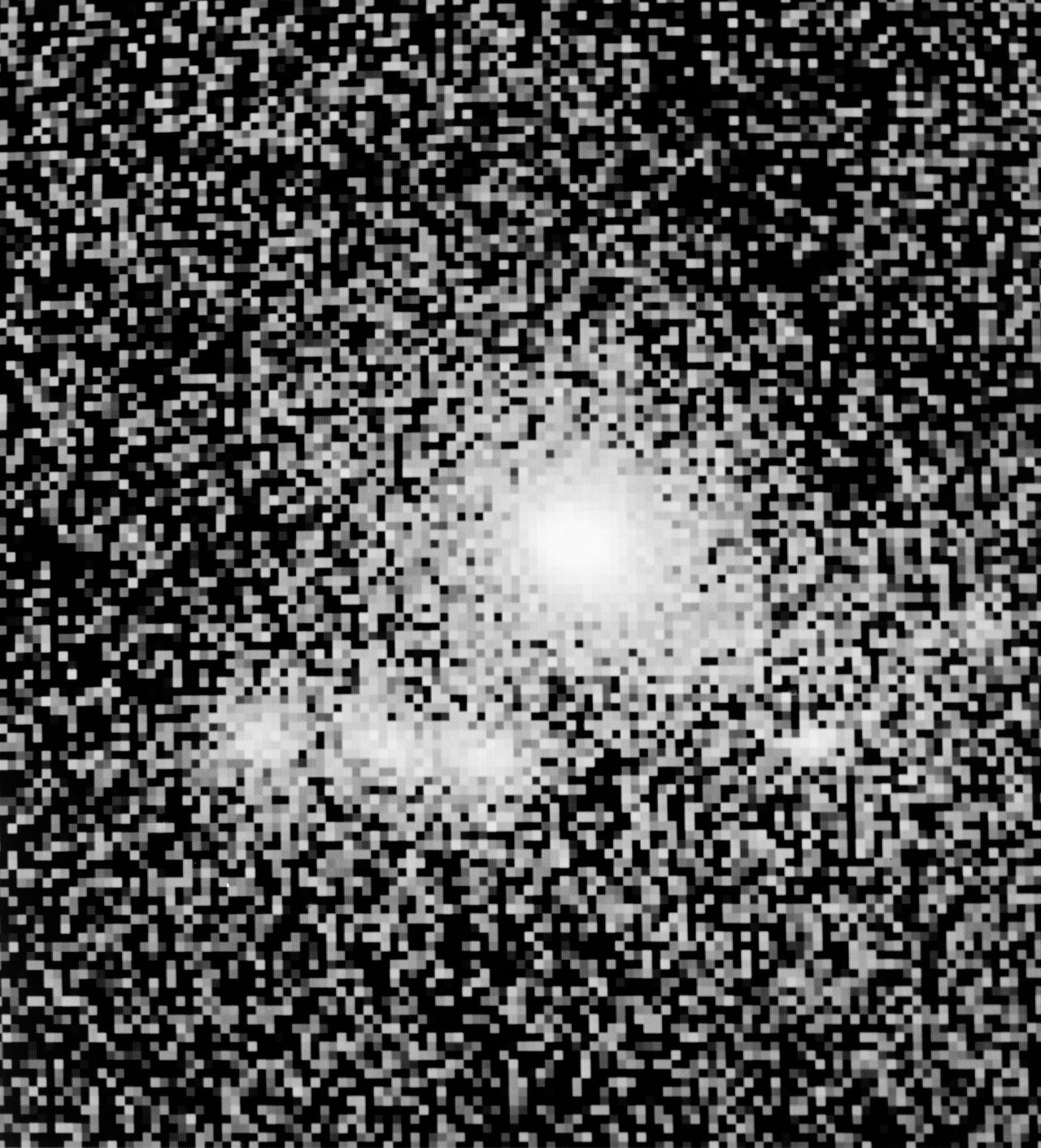
More in Named Comets, Part 6 1-24
Spotted an error? Know more?
Reader corrections go straight into our review queue. Suggest an edit · How this site is sourced