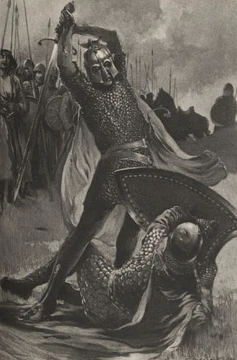
Peleus
Hero, king of Phthia, father of Achilles, husband of Thetis.

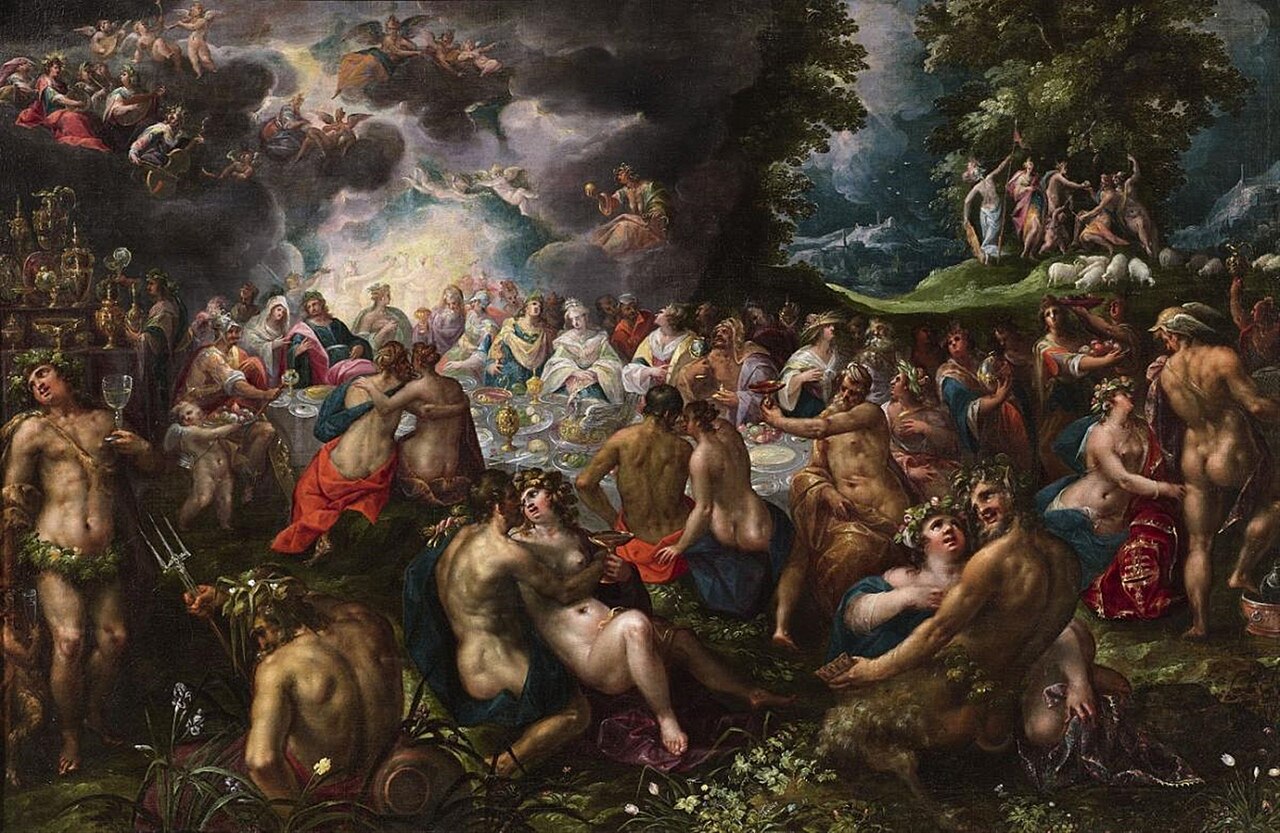
Gillis van Valckenborch · Public domain
Peleus, a hero from Greek mythology, was the king of Phthia, the husband of the sea-nymph Thetis, and the father of their son, Achilles. His story was familiar to audiences of Homer by the late 8th century BC.
He was the son of Aeacus, king of Aegina, and the oread Endeïs. Peleus married Thetis after the death of his first wife, Antigone, and together they had Achilles. One of his daughters, Polymele, was sometimes named as a possible mother of Patroclus, though in established canon Patroclus's mother is usually Sthenele or Periopis. Along with his brother Telamon, Peleus joined Jason as an Argonaut. Later kings of Epirus claimed descent from him.
Peleus and Telamon killed their half-brother Phocus, likely in a hunting accident, and fled Aegina. In Phthia, King Eurytion purified Peleus, who then married Eurytion’s daughter, Antigone, and had a daughter, Polydora. During the Calydonian boar hunt, Peleus accidentally killed Eurytion and fled again. He was purified of this murder in Iolcus by Acastus. Acastus’s wife, Astydamia, fell in love with Peleus, but he rejected her. She then sent a false message to Antigone that Peleus was to marry Acastus’s daughter, causing Antigone to hang herself. Astydamia also told Acastus that Peleus had tried to rape her. Acastus took Peleus hunting on Mount Pelion, hid his sword in cow dung while he slept, and abandoned him. When centaurs attacked, the centaur Chiron (or Hermes) returned the sword, and Peleus escaped. Alternatively, the gods sent Hephaestus with a sword. Peleus then sacked Iolcus and killed Astydamia, marching his army between the pieces of her body. Acastus and Astydamia died, and the kingdom went to Jason’s son, Thessalus.
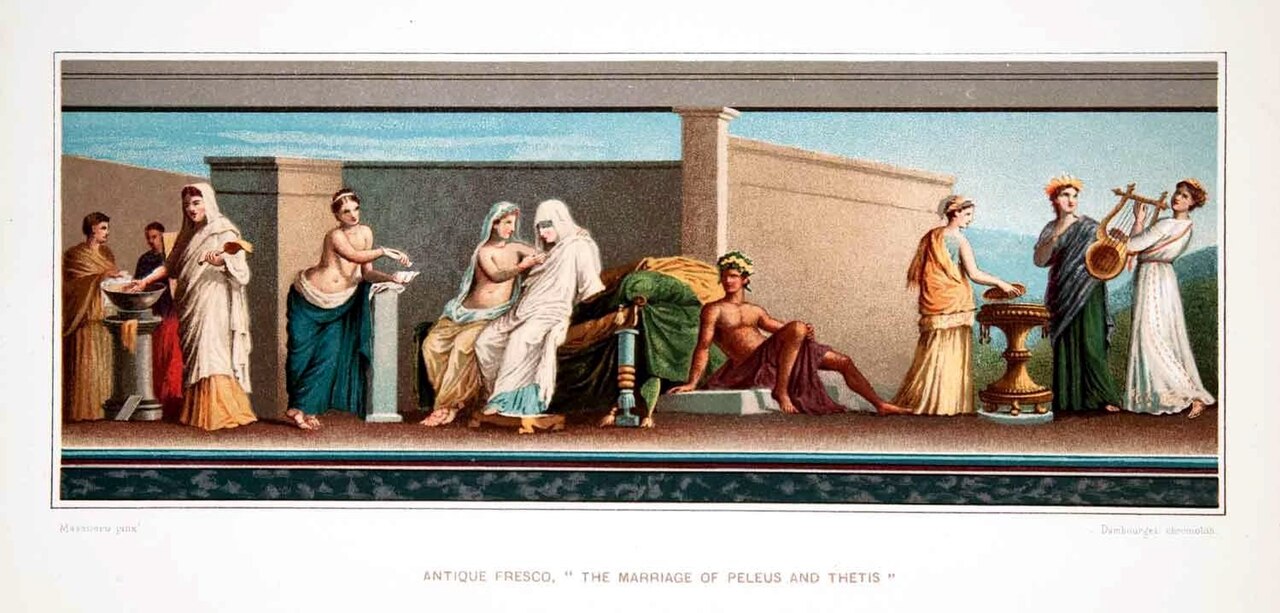
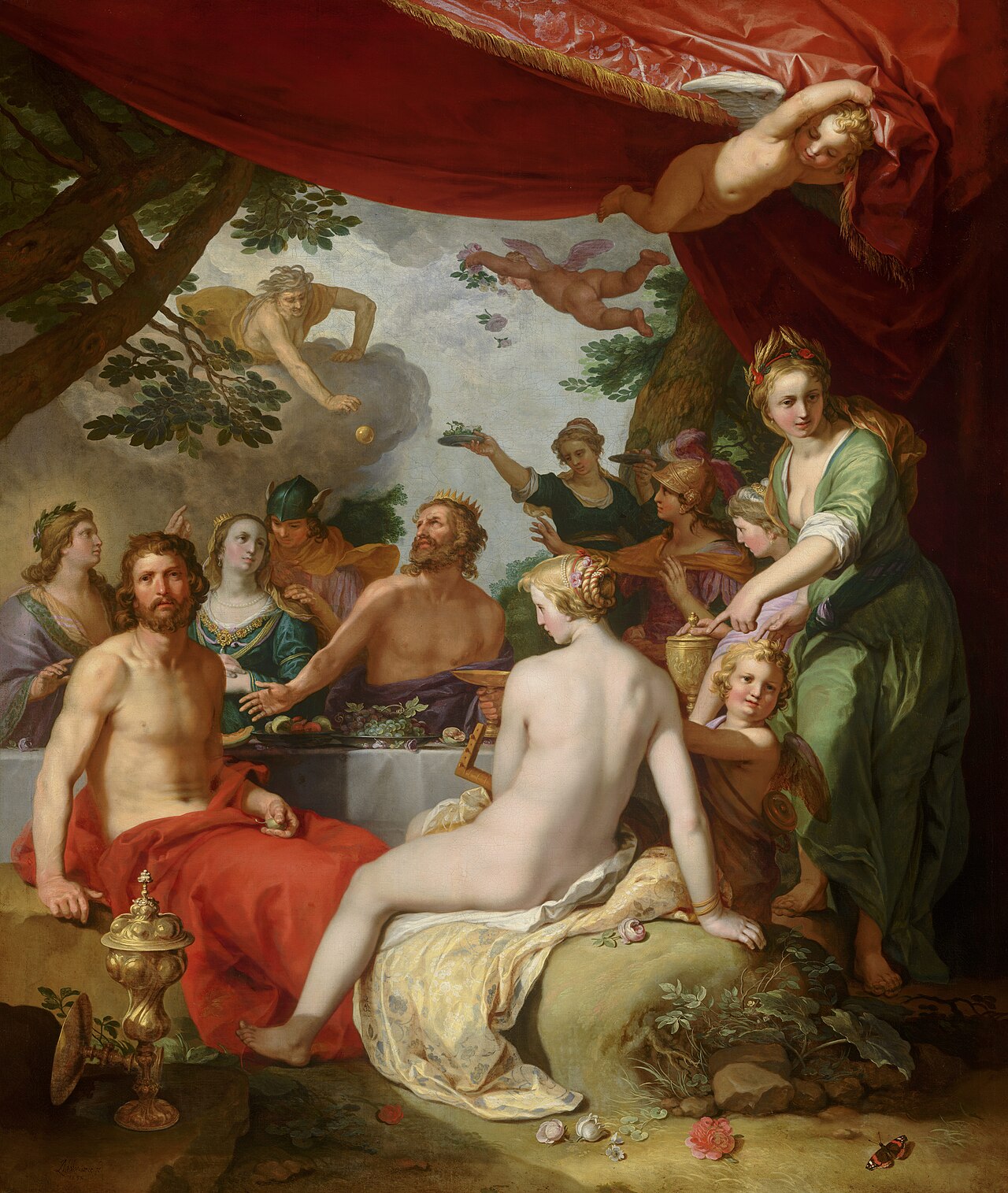
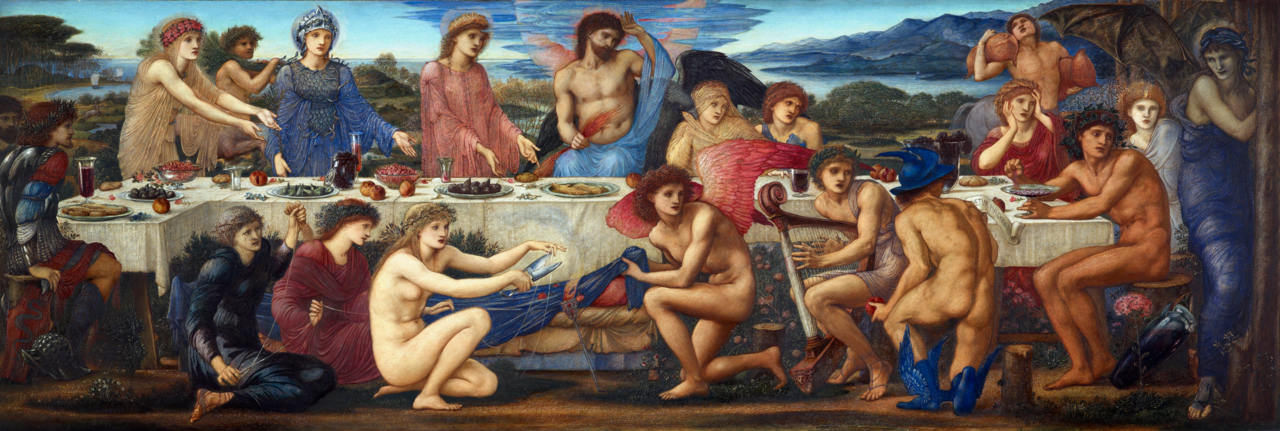
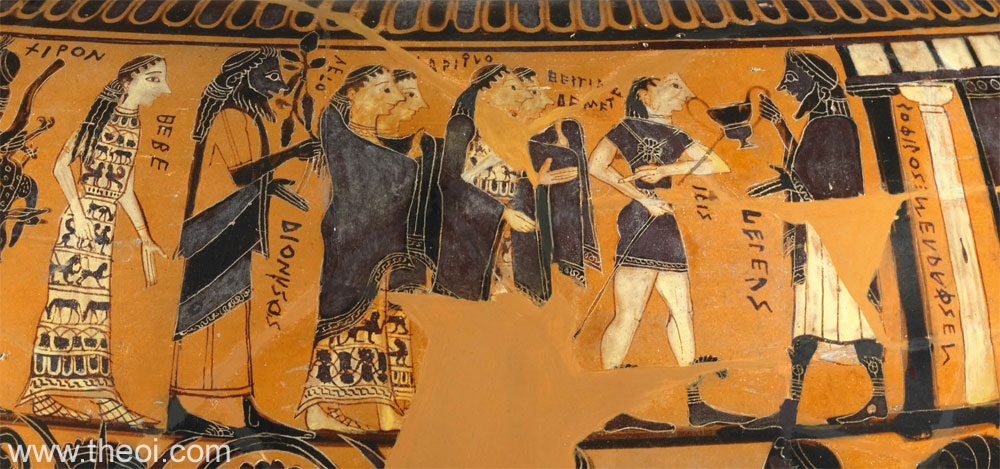
After Antigone’s death, Peleus married Thetis, winning her with Proteus’s advice to hold her through her transformations. Their wedding feast was attended by many Olympian gods. Poseidon gave two immortal horses, Balius and Xanthus; Hephaestus gave a knife; Aphrodite a bowl; Hera a chlamys; Athena a flute; Nereus a basket of divine salt; and Zeus gave Thetis the wings of Arke. During the feast, Eris, angry at not being invited, produced the apple of Discord, leading to the judgment of Paris and eventually the Trojan War. The marriage produced seven sons, six of whom died in infancy; only Achilles survived.
Thetis tried to make Achilles invulnerable.
Quick Facts
- Siblings
- Telamon, Phocus
- Offspring
- Achilles, Polymele
- Consort
- Thetis
- Abode
- Phthia
- Parents
- Aeacus and Endeis
- Deity Of
- King of Phthia
Facts from the source article.
Lore & Background
Peleus was the son of Aeacus, king of Aegina, and Endeïs, an oread of Mount Pelion. He married Thetis and fathered Achilles. He and his brother Telamon were Argonauts. Peleus and Telamon killed their half-brother Phocus, perhaps in a hunting accident, and fled Aegina. In Phthia, Peleus was purified by King Eurytion and married Eurytion's daughter Antigone, with whom he had a daughter, Polydora. Peleus accidentally killed Eurytion during the Calydonian boar hunt and fled again. He was purified in Iolcus by Acastus. Acastus's wife Astydamia fell in love with Peleus; after he scorned her, she falsely told Acastus that Peleus tried to rape her. Acastus abandoned Peleus on Mount Pelion, but the centaur Chiron (or Hermes) returned his sword, and Peleus escaped. He later sacked Iolcus and killed Astydamia, marching his army between the pieces of her body.
Reader's Guide
Peleus is significant in Greek mythology primarily as the father of Achilles, the central hero of the Iliad. His marriage to Thetis, a sea-nymph, was a major mythological event attended by many Olympian gods, and it produced the famous quarrel that led to the Trojan War via the apple of Discord. Peleus's own life was marked by a series of accidental killings and purifications, reflecting a pattern of involuntary violence common in heroic myth. His rescue by Chiron and his eventual veneration as 'king of the Myrmidons' on the island of Ikos, where his tomb was celebrated annually, show his enduring cult status. The story of Thetis's attempt to make Achilles invulnerable by dipping him in the Styx, leaving only his heel vulnerable, originates from this myth cycle and gave rise to the term 'Achilles' heel.' Peleus also appears in Euripides's tragedy Andromache. His legacy includes the immortal horses Balius and Xanthus, given by Poseidon as wedding gifts, and his spear, which Achilles wielded.
Did You Know?
- Peleus and his brother Telamon were counted as Argonauts.
- Peleus accidentally killed his father-in-law Eurytion during the hunt for the Calydonian boar.
- The wedding of Peleus and Thetis was attended by many Olympian gods and produced the apple of Discord, leading to the Trojan War.
Origins and the Flight from Aegina
Peleus was born on the island of Aegina as the son of King Aeacus and Endeïs, an oread spirit of Mount Pelion in Thessaly. His brother Telamon shared his bloodline, and together the two formed a close bond that would define much of their shared legend. Their early life took a violent turn when they killed their half-brother Phocus—what appears to have been a hunting mishap, though certainly an impulsive act. Fearing retribution, the pair fled Aegina. In Phthia, Peleus was purified by the local ruler Eurytion and married Eurytion's daughter Antigone, with whom he fathered a daughter named Polydora. Yet peace proved fleeting. During the hunt for the Calydonian boar, Peleus accidentally slew Eurytion, forcing him to flee Phthia as well. This recurring pattern of accidental murder and desperate flight became a defining motif of his early mythic career, setting the stage for the far darker events that awaited him in Iolcus.
The Iolcus Tragedy and Vengeance
In Iolcus, Peleus was purified of Eurytion's murder by King Acastus. However, Acastus's wife Astydamia—also known as Hippolyta or Cretheis—became infatuated with him. After Peleus rejected her advances, she dispatched a messenger to his wife Antigone, falsely claiming that Peleus was to wed Acastus's daughter. Overcome with grief, Antigone hanged herself. Astydamia then accused Peleus of attempting to assault her. Acastus lured Peleus onto a hunting excursion on Mount Pelion; while he slept, the king concealed his sword in cow dung and left him stranded on the mountainside. As a band of centaurs closed in, the wise centaur Chiron—or in another telling, Hermes—returned the blade, allowing Peleus to survive. An alternative account credits Hephaestus with delivering a sword in recognition of Peleus's piety. Freed and enraged, Peleus sacked Iolcus, dismembered Astydamia, and marched his troops between her severed limbs. Acastus and his wife perished, and the kingdom passed to Jason's son Thessalus.
Winning Thetis and the Divine Wedding
After Antigone's death, Peleus turned his attention to the sea-nymph Thetis. With guidance from the shape-shifting god Proteus, who instructed him to grip her firmly no matter how many forms she assumed in her attempts to escape, Peleus finally secured her as his bride. Their wedding was a spectacle of divine generosity: Poseidon presented two immortal horses, Balius and Xanthus; Hephaestus offered a knife; Aphrodite gave a bowl embossed with Eros; Hera bestowed a chlamys; Athena provided a flute; Nereus contributed a basket of divine salt with remarkable digestive virtues; and Zeus gifted Thetis the wings of Arke. The celebration, however, carried a shadow. Eris, resentful at her exclusion, hurled the apple of Discord among the guests, igniting the quarrel that would cascade into the Judgement of Paris and ultimately the Trojan War. From this union, seven sons were born, but six perished in infancy. Only one child survived: Achilles.
Legacy, Cult, and the Making of Achilles
Peleus entrusted his surviving son Achilles to the centaur Chiron for upbringing on Mount Pelion, a peak that bore his name. Thetis, desperate to shield her child from mortality, attempted to render him invulnerable—either by submerging him in the River Styx while holding him by the heel, or in an earlier version, by anointing him with ambrosia and placing him over a fire to burn away his mortal flesh. In the latter telling, Peleus interrupted the ritual, and Thetis fled in fury, leaving the heel exposed. This vulnerability would later cost Achilles his life when Paris struck that very spot, giving rise to the enduring phrase "Achilles' heel." In the Iliad, Achilles rides Peleus's immortal horses and wields his father's spear. Beyond the epic, Peleus's legacy persisted in hero-cult: a tomb was venerated on the island of Ikos (modern Alonissos), where he was honored as "king of the Myrmidons" and an annual festival marked the "return of the hero." The kings of Epirus claimed descent from him, a lost play by Sophocles bore his name, and Euripides cast him as a character in Andromache.
Gallery
Frequently Asked Questions
Who is Peleus in Greek mythology?
Peleus was a hero-king who ruled the region of Phthia and served as an Argonaut alongside his brother Telamon. He is most widely recognized as the mortal father of Achilles and the husband of the sea-nymph Thetis.
What is Peleus's role or significance in the myths?
He functions as a crucial link between the divine and mortal realms, since his marriage to Thetis produced the greatest warrior of the Trojan War cycle. He also appears in the Argonaut narrative as one of Jason's crew members.
Why is Peleus important to the broader Greek mythological canon?
His importance rests almost entirely on lineage: through Thetis he is the father of Achilles, and through his own parentage (son of Aeacus) he anchors the Aegina royal line. His story also illustrates the recurring theme of a mortal man winning a divine wife against the gods' initial reluctance.
How did Peleus win Thetis as his wife?
After the death of his first wife Antigone, Peleus pursued Thetis, motivated by a prophecy that her son would surpass his father in glory. Their union ultimately produced Achilles, fulfilling that very prophecy.
More in Mythological swordfighters 1-18
Spotted an error? Know more?
Reader corrections go straight into our review queue. Suggest an edit · How this site is sourced