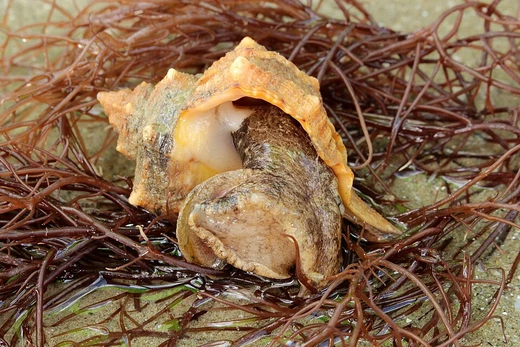
Ocenebra
A genus of predatory murex snails with many reassigned species.

Manuel CABALLER · CC BY 4.0
Ocenebra is a genus of predatory marine gastropods, specifically sea snails, belonging to the subfamily Ocenebrinae within the family Muricidae—the group that includes murex and rock snails. The genus contains both living and fossil species. According to the World Register of Marine Species (WoRMS), accepted species include *Ocenebra aparicioae*, *O. brevirobusta*, *O. chavesi*, *O. edwardsii*, *O. erinaceus*, the fossil †*O. etteri*, *O. helleri*, *O. hispidula*, *O. hybrida*, *O. ingloria*, *O. inordinata*, *O. leukos*, *O. miscowichae*, *O. nicolai*, *O. paddeui*, *O. piantonii*, the fossil †*O. prionotus*, *O. purpuroidea*, *O. salahi*, *O. vazzanai*, and the fossil †*O. vindobonensis*. One species, *Ocenebra juritzi*, is listed as *species inquirendum*—meaning its status is uncertain. Many other names once placed in *Ocenebra* have since been moved to other genera, such as *Ocinebrellus*, *Paciocinebrina*, *Urosalpinx*, *Ergalatax*, *Africanella*, *Pteropurpura*, *Inermicosta*, *Muricodrupa*, *Jaton*, *Vaughtia*, *Favartia*, *Haustrum*, *Bedeva*, *Roperia*, *Muricopsis*, *Coralliophila*, *Hadriania*, and *Ocinebrina*, among others.
Quick Facts
- Taxon
- Ocenebra
- Type Species
- Murex erinaceus / Linnaeus, 1758
Facts from the source article.
Lore & Background
The genus Ocenebra was established within the family Muricidae, which includes the murex and rock snails. Its species are found in marine environments, and many have been subject to taxonomic revision. The World Register of Marine Species lists 20 accepted species, including Ocenebra erinaceus (the sting winkle), Ocenebra edwardsii, and Ocenebra brevirobusta. Several fossil species are also recognized, such as Ocenebra etteri and Ocenebra vindobonensis. A number of species once placed in Ocenebra have since been moved to other genera, including Paciocinebrina, Ocinebrellus, Urosalpinx, and Vaughtia, reflecting ongoing taxonomic refinement.
Reader's Guide
Ocenebra holds significance in malacology as a genus that has undergone extensive taxonomic revision, with many species reassigned to other genera such as Paciocinebrina, Ocinebrellus, and Urosalpinx. This reflects the dynamic nature of gastropod classification and the importance of detailed morphological and molecular studies. The genus includes both extant and fossil species, providing insights into evolutionary history and biogeography. The sting winkle (Ocenebra erinaceus) is one of the better-known species, historically noted in European waters. The large number of synonyms and species inquirendum indicates ongoing research and debate within the scientific community. Ocenebra serves as a case study in the challenges of defining generic boundaries in the family Muricidae.
Did You Know?
- Ocenebra erinaceus is also known as the sting winkle.
- The genus includes three fossil species: Ocenebra etteri, Ocenebra prionotus, and Ocenebra vindobonensis.
- Many species originally placed in Ocenebra have been moved to genera such as Paciocinebrina and Ocinebrellus.
- Ocenebra juritzi is listed as a species inquirendum, meaning its status is uncertain.
Taxonomic Identity and Classification
Ocenebra is a genus of predatory sea snails, placing it firmly among the marine gastropod mollusks. Taxonomically, it occupies a specific position within the subfamily Ocenebrinae, which is itself a branch of the family Muricidae — the large and well-known group encompassing murex and rock snails. This nesting tells us that Ocenebra members are carnivorous marine invertebrates whose shells and body plans align with the broader muricid lineage. The genus has long served as a taxonomic catch-all, attracting species descriptions from many regions and eras. Over time, however, the boundaries of what truly belongs to Ocenebra have been repeatedly redrawn. The family Muricidae is one of the most species-rich assemblages in the gastropod world, and Ocenebra, as a member of the Ocenebrinae subfamily, represents just one small thread in that vast tapestry of predatory marine snail diversity.
A Catalogue of Taxonomic Reassignment
The species list once associated with Ocenebra reads almost like a record of systematic misplacement. The overwhelming majority of names that carried the Ocenebra label have since been synonymized into entirely different genera. Paciocinebrina absorbed species originally described by Carpenter, Berry, Chace, and others. Ocinebrellus claimed names such as acanthophorus and inornatus. Urosalpinx took over cala, subangulata, and sperata. Vaughtia absorbed hayesi, purpuroides, and scrobiculata, while Africanella received coseli and isaacsi from Houart's earlier work. Even nomenclatural slips appear in the record, with one entry flagged as a simple lapsus for a slightly different spelling. This sweeping pattern of reassignment reveals that the taxonomy of marine muricids has been a moving target, with species constantly shuffled between genera as morphological criteria and phylogenetic insight have evolved across more than two centuries of malacological research.
The Shrinking Core of Valid Species
After extensive taxonomic revision, the genus Ocenebra has been reduced to a remarkably small core of validly recognized members. According to the World Register of Marine Species, the sole species retaining an accepted name within the genus is Ocenebra juritzi, described by Barnard in 1969. This single valid representative stands in dramatic contrast to the dozens of names that once bore the Ocenebra label but have since been reassigned to other genera. A particularly notable case is Ocenebra erinaceus, the well-known sting winkle originally described by Linnaeus in 1758. Its status is complicated by an ICZN ruling (Opinion 886), making it a synonym of a valid name while still occupying a contested position in the literature. The reduction from a genus once containing dozens of species to essentially one or two valid members illustrates how profoundly our understanding of marine gastropod diversity has been refined over two and a half centuries of systematic work.
Two and a Half Centuries of Malacological Scholarship
The synonymy record for Ocenebra spans an extraordinary chronological range, stretching from Linnaeus's 1758 description of the sting winkle all the way to Houart's 2000 correction of a nomenclatural error. In between those endpoints, contributions accumulate from Lamarck in 1822, Sowerby in 1841, Reeve in the mid-1840s, Carpenter in the 1860s, Pilsbry in 1897, Berry in 1953, Chace in 1958, and Lorenz in the 1990s, among many others. The foundational references include Gray's 1847 paper on British molluscan classification and Monterosato's 1917 account of mollusks gathered along the Tripolitanian coast. This layered timeline demonstrates that the taxonomy of Ocenebra was never settled by a single authority. Instead, it was built incrementally by generations of malacologists working across different countries and decades, each new description, synonymization, or recombination representing a small but necessary correction in the ongoing effort to accurately map predatory marine snail diversity within the Muricidae.
Gallery
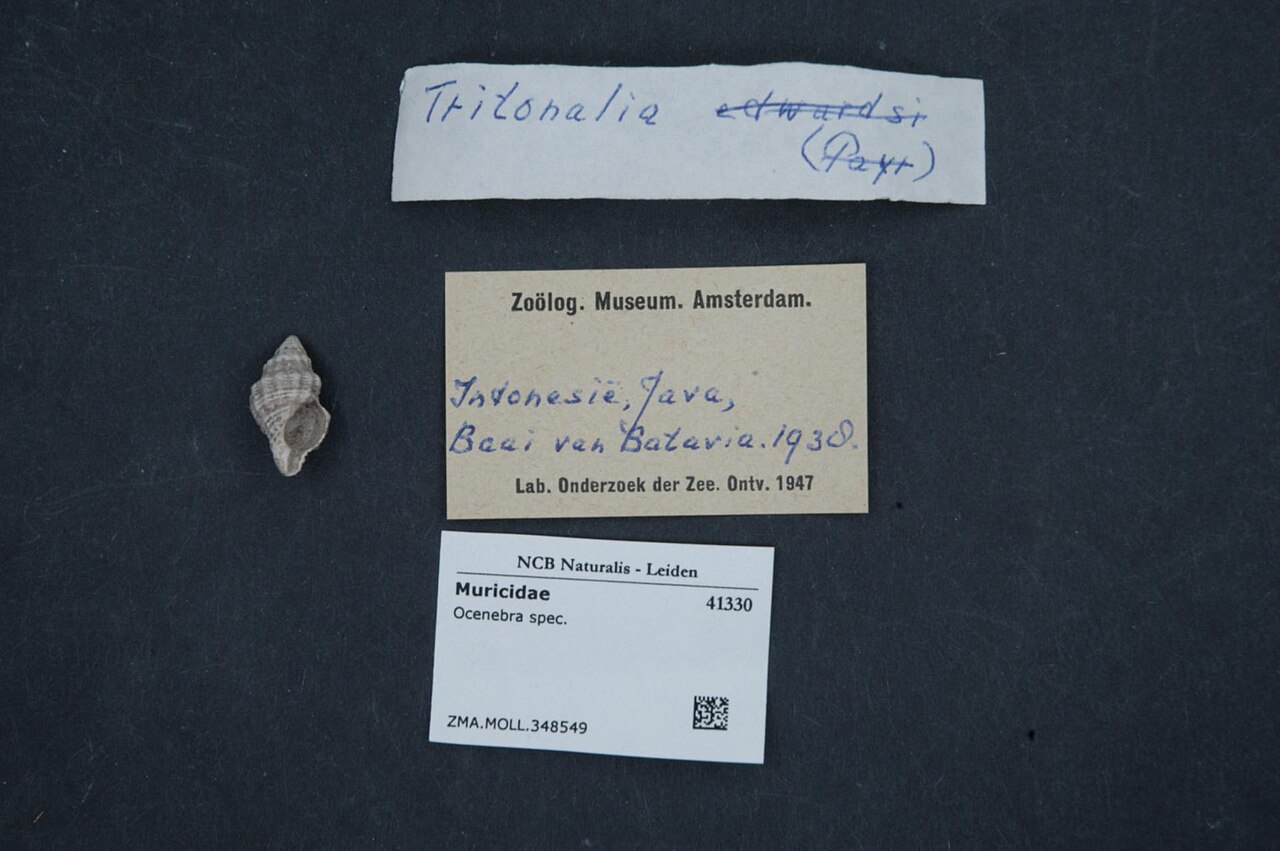
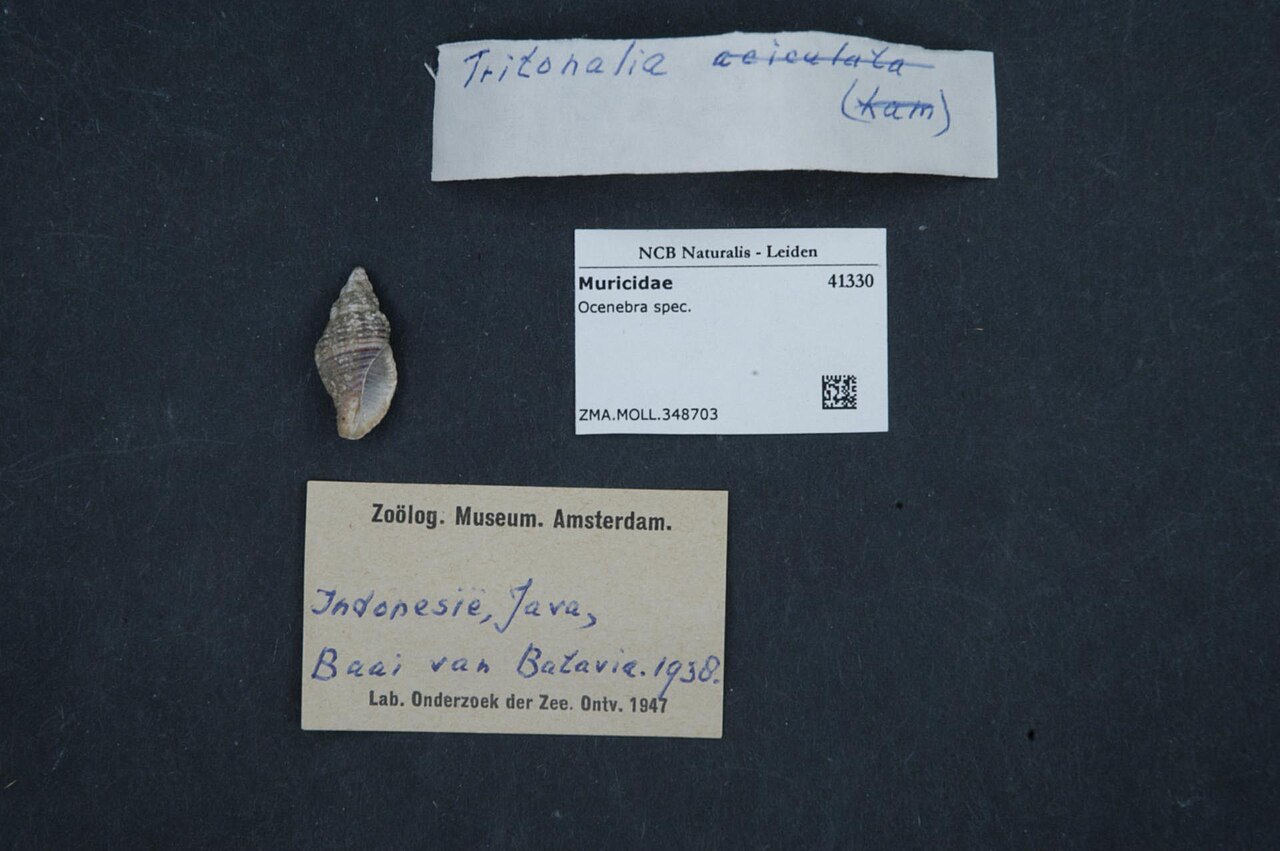
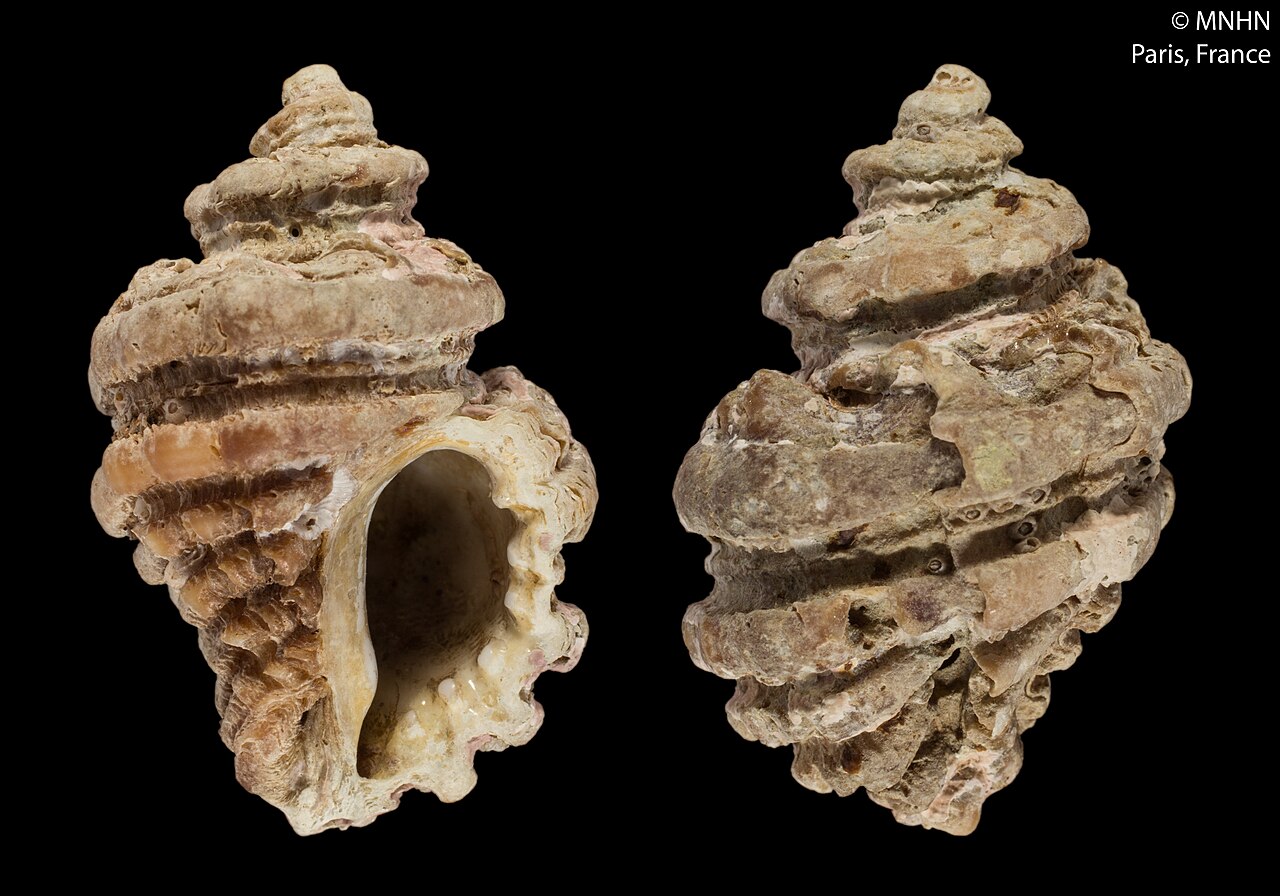
More in Murex Snails 1-24
Spotted an error? Know more?
Reader corrections go straight into our review queue. Suggest an edit · How this site is sourced