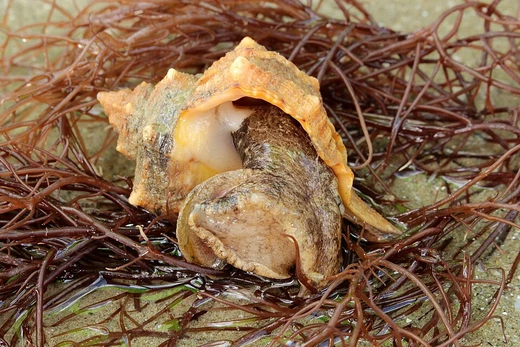
Latiaxis
A genus of coral snails in the family Muricidae.

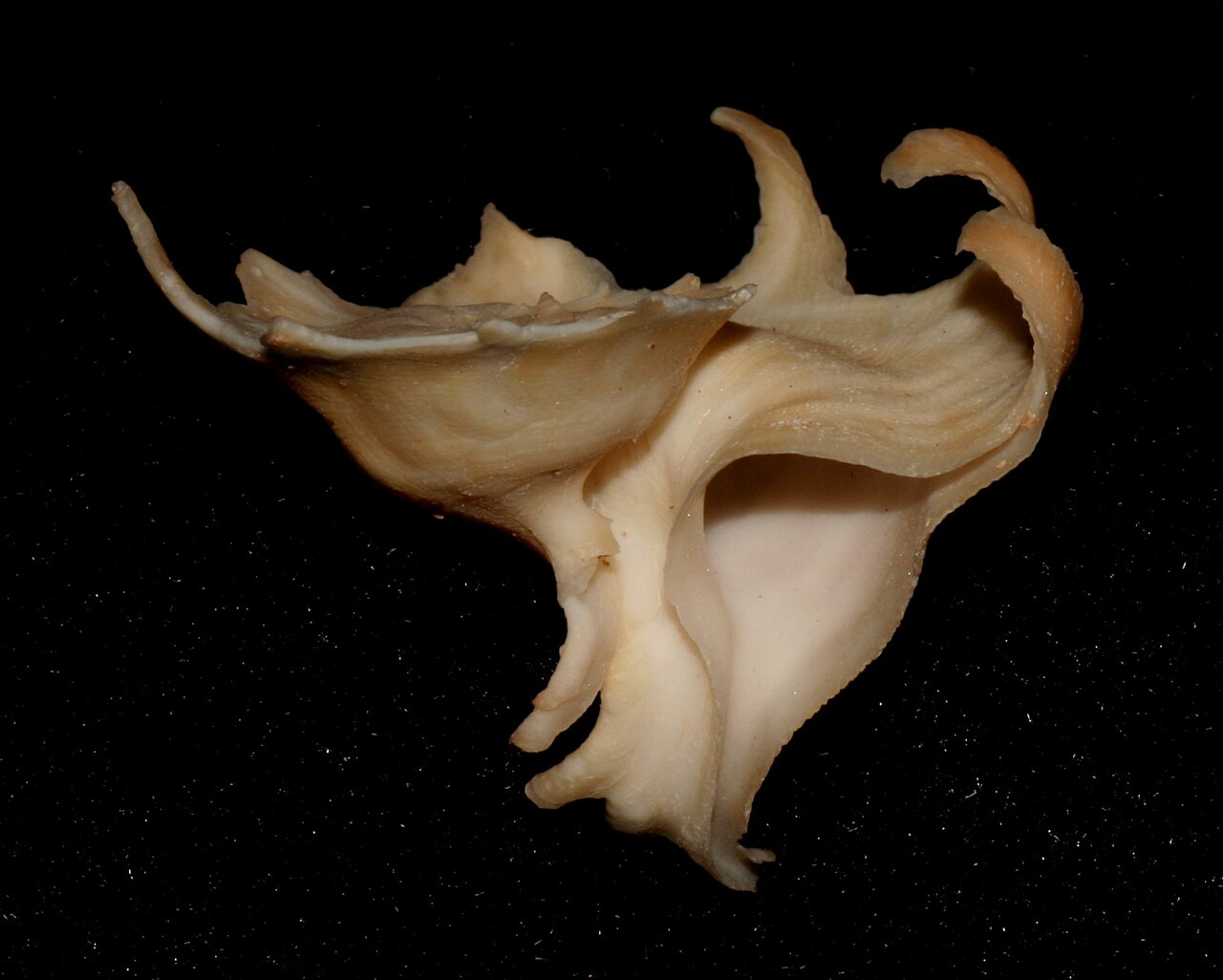
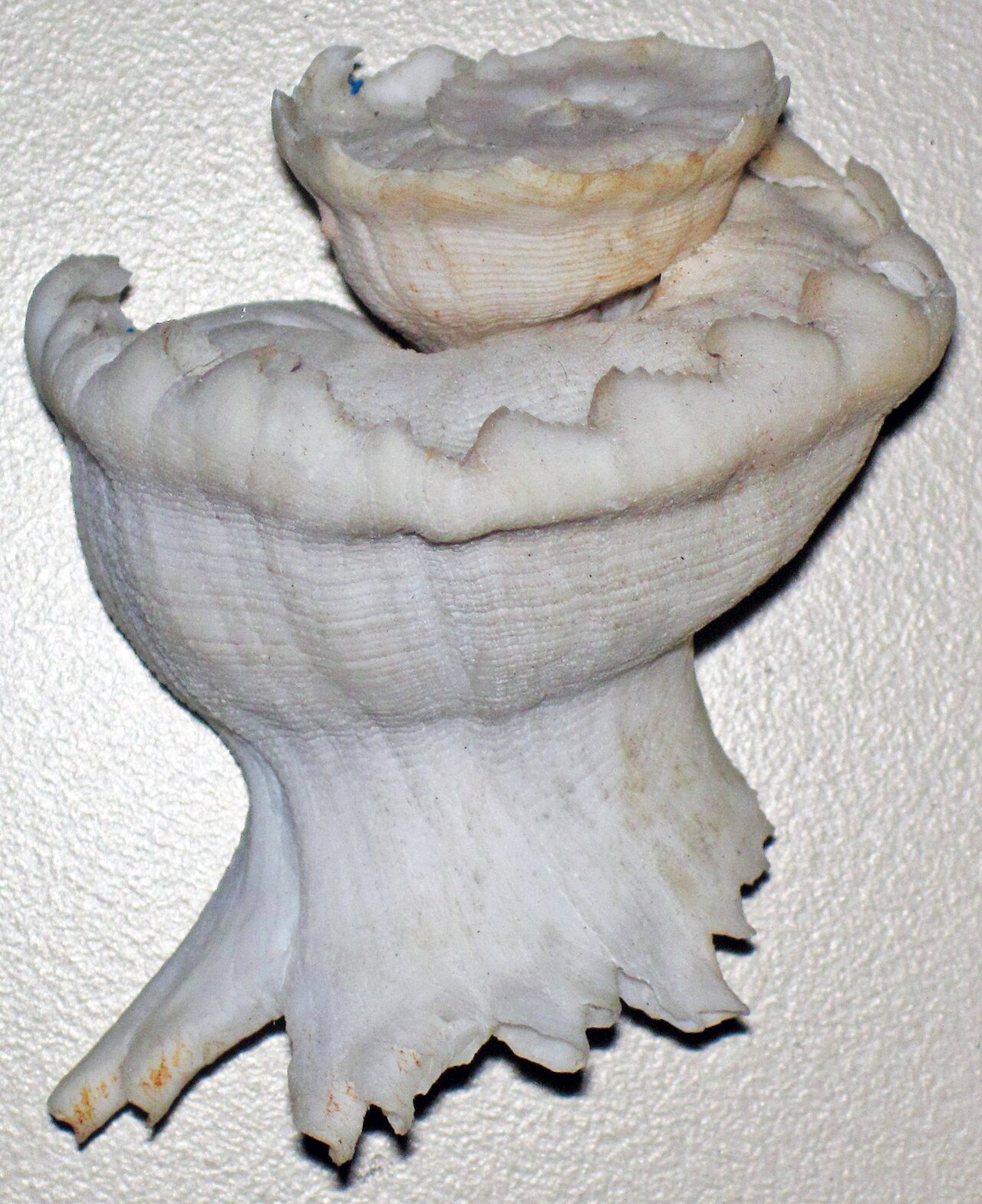
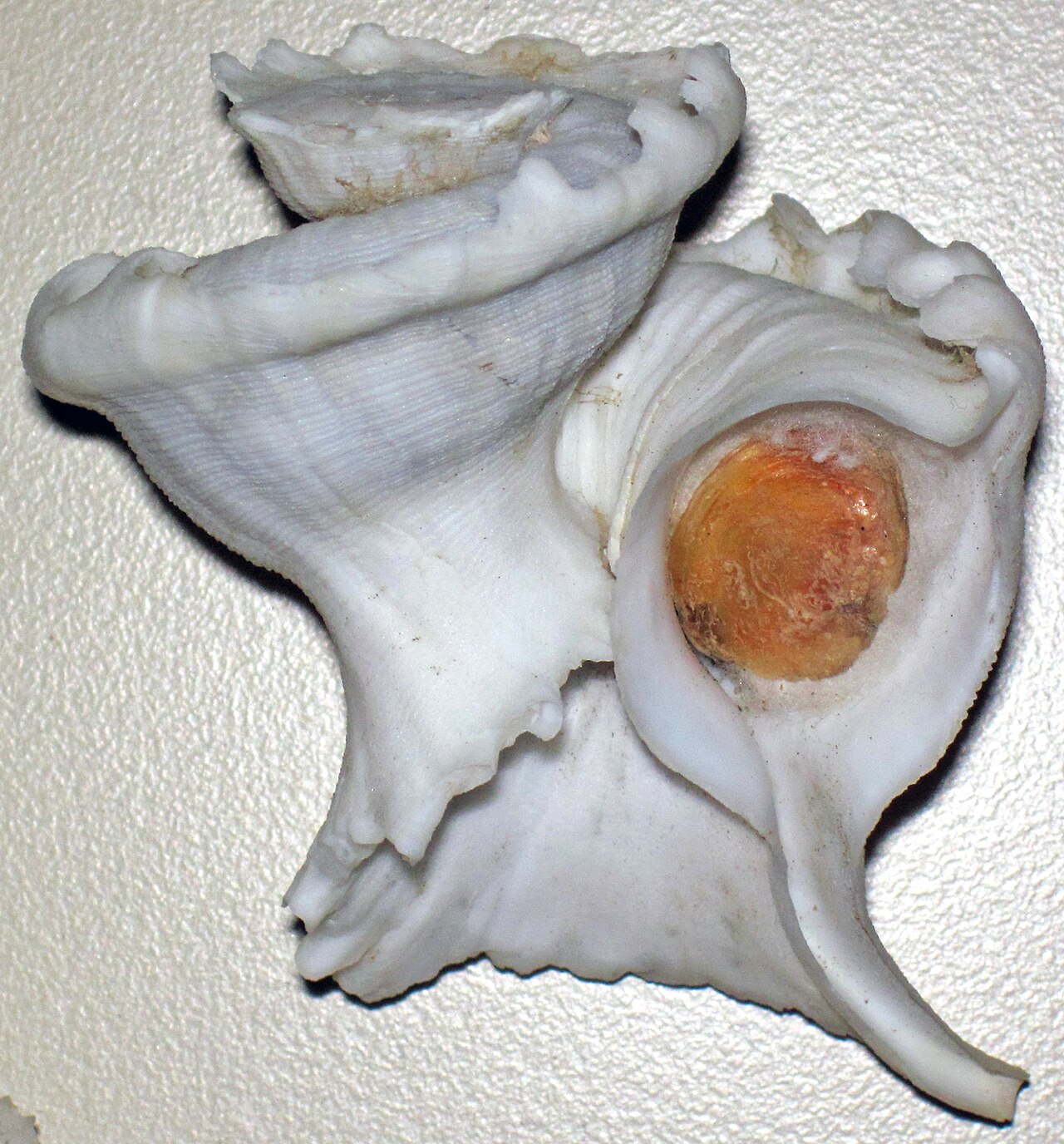
James St. John · CC BY 2.0
Latiaxis is a genus of medium-sized marine gastropod mollusks, commonly known as coral snails or coral shells. These sea snails belong to the family Muricidae and the subfamily Coralliophilinae. The genus contains both living and fossil species. Over time, many species originally placed in Latiaxis have been moved to other genera, including Babelomurex, Hirtomurex, and Mipus.
- Family
- Muricidae
- Subfamily
- Coralliophilinae
- Size
- Medium-sized
- Type
- Marine gastropod mollusks
- Extant species
- Includes Latiaxis cerinamarumai, L. hayashii, L. mawae, L. naskensis, L. nippooleifera, L. pilsbryi, L. tabulatus
- Fossil species
- Includes †Latiaxis roddai, †L. vinjucovi, †L. yabei
Lore & Background
The genus Latiaxis was historically used for a number of species that have since been moved to other genera, particularly Babelomurex. Many species originally placed in Latiaxis are now considered synonyms of Babelomurex species, such as Latiaxis armatus, L. babelis, L. cariniferus, and L. spinosus. Other species have been reassigned to Hirtomurex, Mipus, Coralliophila, and Pazinotus.
Species currently accepted within Latiaxis include Latiaxis cerinamarumai, L. hayashii, L. mawae, L. naskensis, L. nippooleifera, L. pilsbryi, and L. tabulatus (the last listed as uncertain and unassessed). Fossil species include †Latiaxis roddai, †L. vinjucovi, and †L. yabei. The species Latiaxis costatus is listed in ITIS as the California coralsnail, and Latiaxis kincaidi and L. mansfieldi are also mentioned in that source.
Reader's Guide
The genus Latiaxis is significant in the study of muricid gastropods, particularly within the subfamily Coralliophilinae, which comprises coral-associated snails. The extensive synonymy of Latiaxis species with those of Babelomurex and other genera reflects ongoing taxonomic revision and the challenges of classifying these morphologically diverse snails. Many species originally described as Latiaxis have been transferred to Babelomurex, indicating that the genus has served as a historical catch-all for coral snails with certain shell features.
The presence of both extant and fossil species (such as †Latiaxis roddai, †L. vinjucovi, and †L. yabei) shows the genus's long evolutionary history. The uncertain status of Latiaxis tabulatus highlights that some taxa remain poorly understood. The genus is also notable for including the California coralsnail (Latiaxis costatus), a species recognized in authoritative taxonomic databases. Overall, Latiaxis represents a group whose boundaries have shifted considerably, and its legacy lies in the many species that have been reassigned to better-defined genera.
Did You Know?
- Latiaxis is a genus of medium-sized sea snails in the family Muricidae, subfamily Coralliophilinae.
- Many species originally described as Latiaxis are now considered synonyms of Babelomurex.
- Latiaxis costatus is known as the California coralsnail.
Taxonomy & Nomenclatural History
Babelomurex cariniferus, widely known by its common name Babel's latiaxis, is a species of marine gastropod mollusc belonging to the family Muricidae, the group commonly referred to as murex snails or rock snails. Within the broader classification of sea snails, this species occupies a distinctive niche, characterized by its heavily sculptured shell and specialized ecological role. The species has also appeared in the taxonomic literature under the junior synonym Latiaxis babelis, a name that has created some confusion in conservation records. This synonymy is particularly significant because it is under this alternate name that the species has been flagged in the IUCN Red List, where it is described as thought to be endemic to Malta. The taxonomic history reflects the ongoing work of malacologists in sorting out closely related species within the genus Babelomurex, a process that continues to refine our understanding of biodiversity in Mediterranean and Atlantic waters.
Geographic Range & Conservation Ambiguity
Babelomurex cariniferus has a distribution that stretches from the Mediterranean Sea across to the western coast of Africa, with confirmed records in the Canary Islands, Cape Verde, and Angola. This broad range suggests the species is not confined to a single ocean basin but rather occupies a swath of warm, shallow waters along the Atlantic-Mediterranean margin. However, a complicating factor in its conservation profile arises from the taxonomic synonymy: under the name Latiaxis babelis, the species appears on the IUCN Red List with a status indicating it is believed to be endemic to Malta. This discrepancy highlights how taxonomic uncertainty can directly affect conservation assessments, potentially masking the true geographic breadth of the population. The species' presence in multiple countries' marine faunal records, from Italian and Maltese waters to the waters off West Africa, underscores the importance of consistent nomenclature in global biodiversity databases and the ongoing need for researchers to reconcile historical collections with modern morphological data.
Habitat & Shell Morphology
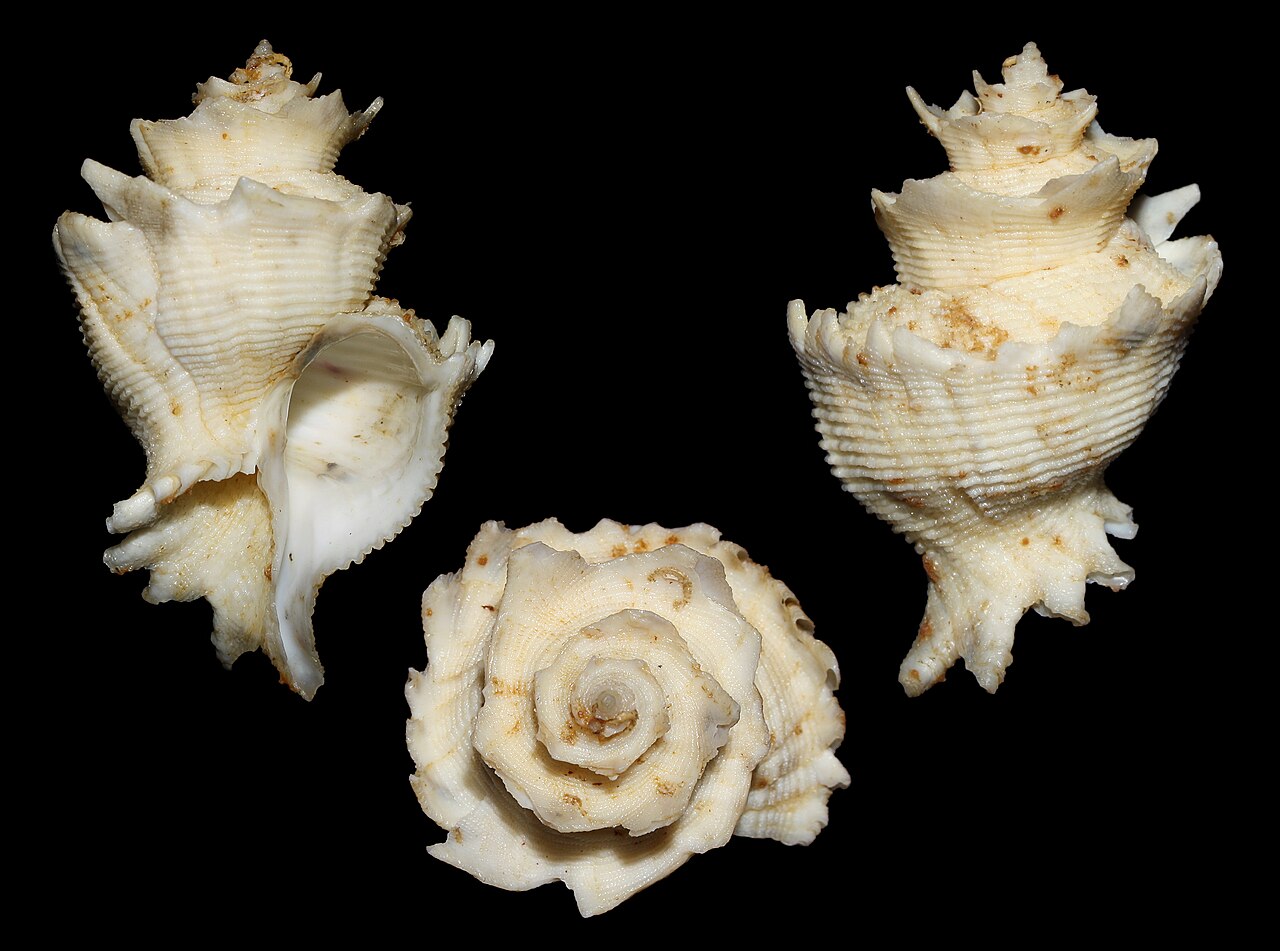
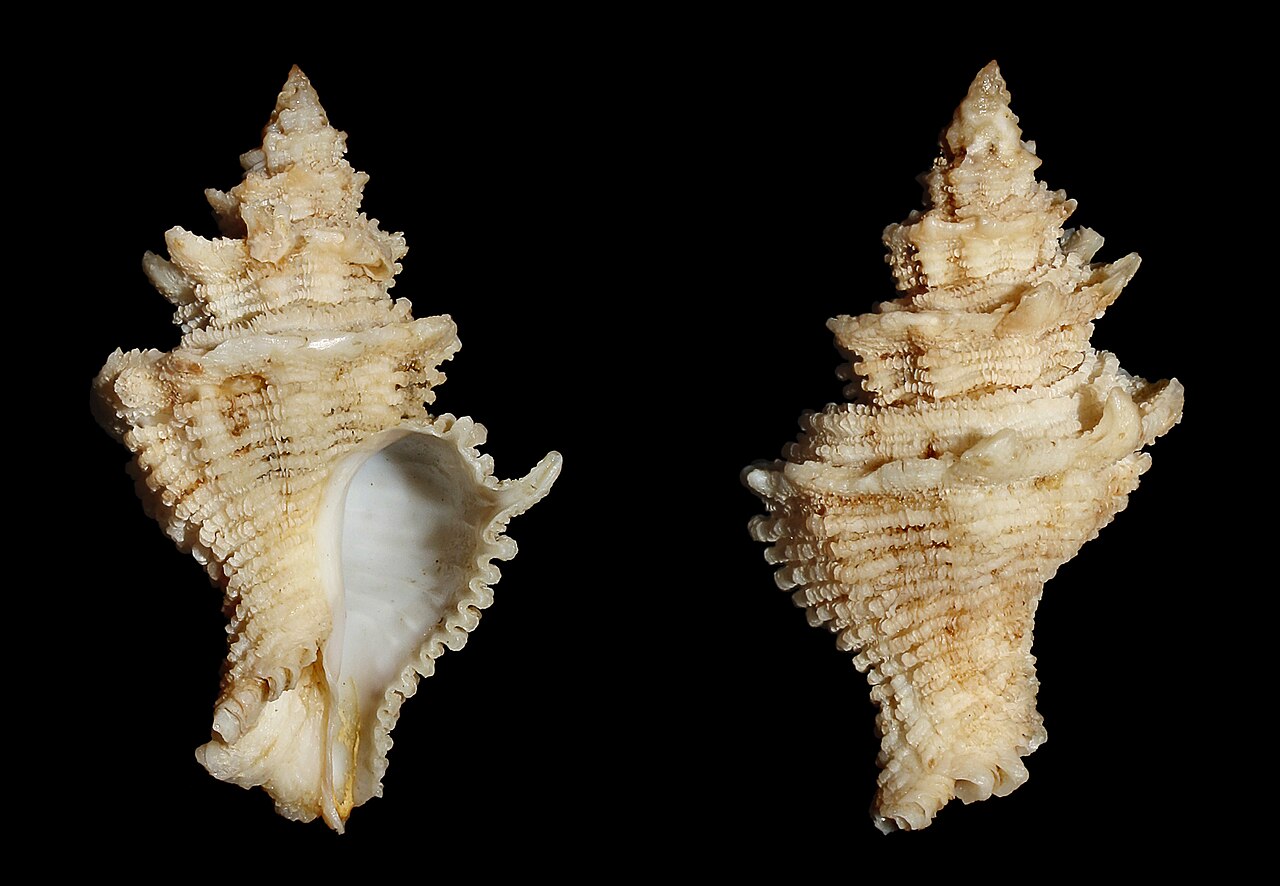
Found in coral reef environments, Babelomurex cariniferus inhabits the infralittoral zone, dwelling in communities of corals and sponges at depths that range from a few meters to well over 1,000 meters. This remarkable depth span indicates a species capable of tolerating a wide range of light, pressure, and temperature conditions. The shells themselves are striking objects, measuring between 20 and 45 millimetres in length, with surface coloration that can range from pale whitish tones to dark greyish hues. Morphologically, the shells exhibit considerable variation in their overall form, a trait that distinguishes them from the closely related Babelomurex benoiti. The spires are numerous and flattened, bearing very thorny axial ribs, and the whorl keels are decorated with a set of spiniform scales. A corneous operculum is also present. It is precisely in the degree of variation in features and sculpture, along with differences in the number of spiniform scales, that B. cariniferus can be reliably separated from its look-alike relative.
Obligate Coral-Feeding Ecology
Among the many species of murex snails, Babelomurex cariniferus stands out for its extraordinary dietary specialization. Rather than being a generalist predator or scavenger, this uncommon infralittoral sea snail is a true specialist, deriving all of its nutrition from the polyps that make up scleractinian stony coral colonies. This narrow trophic niche means the species is inextricably linked to the health and distribution of living stony corals, making it an obligate specialist within the reef ecosystem. The implication is profound: any threat to coral populations directly compromises the food supply of B. cariniferus. Its presence in a habitat spanning from shallow reef flats to depths exceeding 1,000 meters suggests that scleractinian corals, and by extension this snail, can persist across a surprisingly wide vertical gradient. As a specialist feeder in the Muricidae family, B. cariniferus exemplifies how even small marine invertebrates can occupy highly specific ecological roles that are critical to understanding the functional diversity of coral reef communities.
Gallery
Frequently Asked Questions
What is Latiaxis and what do people call it in common names?
Latiaxis is a genus of medium-sized sea snails that fall under the umbrella term 'coral snails' or 'coral shells.' They are marine gastropod mollusks that sit within the Muricidae family, specifically under the Coralliophilinae subfamily.
Which species currently belong to the Latiaxis genus?
Seven living species are recognized today, including L. cerinamarumai, L. hayashii, L. mawae, L. naskensis, L. nippooleifera, L. pilsbryi, and L. tabulatus. In addition, three fossil species—†L. roddai, †L. vinjucovi, and †L. yabei—have been assigned here.
Why do some snails that used to be called Latiaxis now carry a different genus name?
Taxonomic revisions over the years have pulled several formerly included species out of Latiaxis and reassigned them to genera such as Babelomurex, Hirtomurex, and Mipus. This reshuffling reflects updated morphological and phylogenetic understanding of the group.
Is Latiaxis a large or small genus, and how big are the snails?
The snails in this genus are described as medium-sized relative to other muricids. The genus itself is modest in scope, with only seven extant species and three known fossils remaining after decades of reclassification.
Are there any fossil Latiaxis species, and what does that tell us?
Yes—three fossil species (†L. roddai, †L. vinjucovi, and †L. yabei) are catalogued under the genus. Their presence shows that the Coralliophilinae lineage has a deep geological history, with representatives stretching back well before the modern forms we collect today.
More in Murex Snails 1-24
Spotted an error? Know more?
Reader corrections go straight into our review queue. Suggest an edit · How this site is sourced