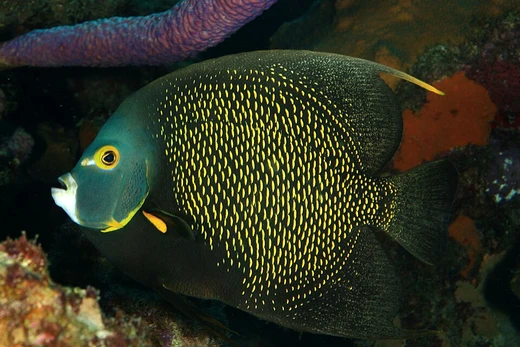
Centropyge
A paraphyletic genus of dwarf marine angelfish.

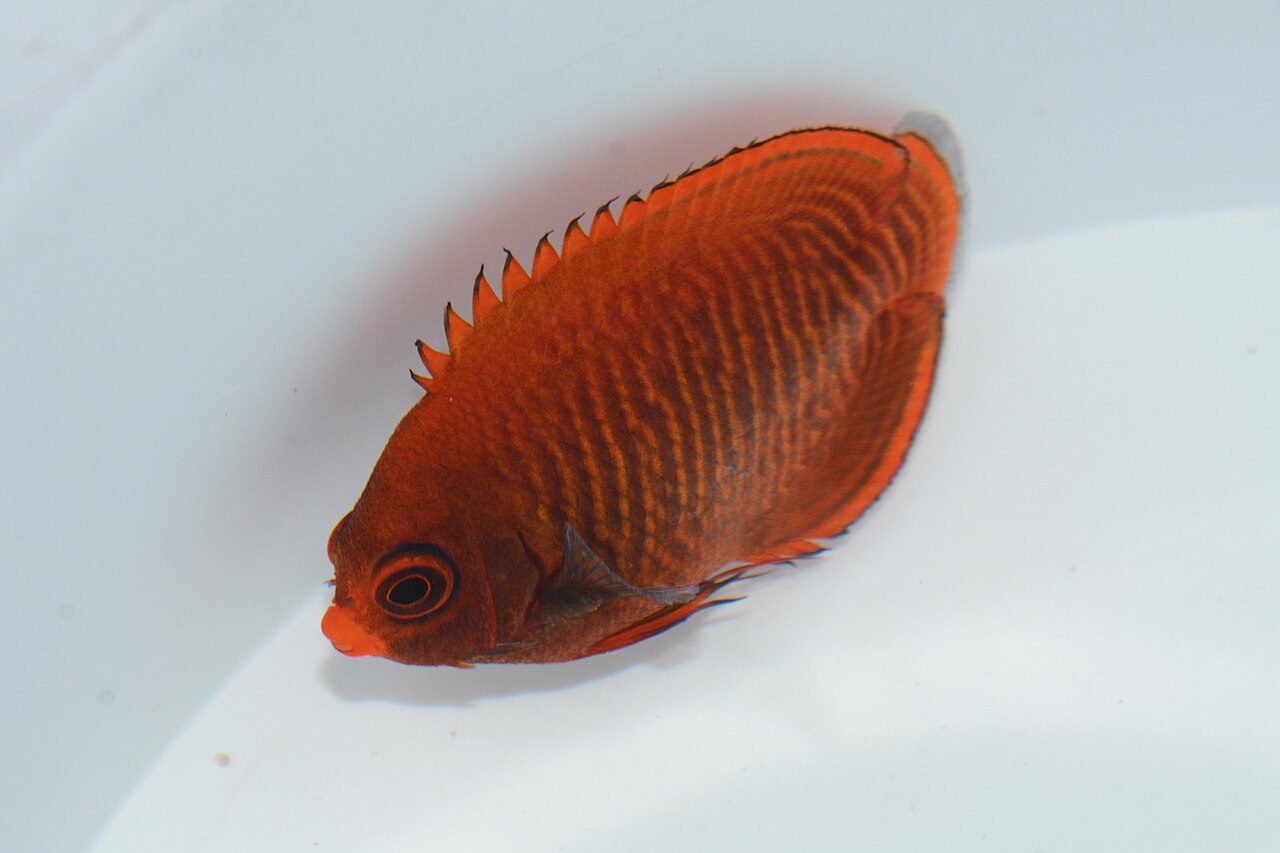
Jokuyken15 · CC BY-SA 4.0
Centropyge is a genus of ray-finned fish, marine angelfish belonging to the family Pomacanthidae found in the Atlantic, Indian and Pacific Ocean. These species do not exceed 15 cm in length and live in haremic structures with one dominant male and multiple females. The genus is paraphyletic, meaning that the genera *Genicanthus* and *Apolemichthys* (which is itself polyphyletic) fall within its evolutionary lineage. Taxonomically, *Centropyge* is divided into three subgenera and various species complexes. The subgenus *Xiphypops* contains the *C. acanthops* complex—*C. acanthops*, *C. argi*, *C. aurantonota*, and *C. resplendens*. The subgenus *Paracentropyge* includes *C. boylei*, *C. multifasciata*, and *C. venusta*. Both of these subgenera are monophyletic, and there is support for elevating them to full genus status. All remaining species belong to the nominate subgenus *Centropyge*, which is not monophyletic. Different studies have defined species complexes within the genus in varying ways, depending on how the term “species complex” is interpreted. Sexes are difficult to tell apart, though females tend to be shorter and have rounder fins. Like other marine angelfish and many reef fish, *Centropyge* species are protogynous hermaphrodites: they begin adult life as females, and the dominant individual in a group can change into a male within days. A reversal of this sex change is possible if the individual’s social status shifts, though the process takes much longer. Uniquely among protogynous fish, males of at least one species—*C. ferrugata*—can reverse sex change and become females again. In aquaria, these fish do best in mature reef tanks, which typically offer high water quality and abundant live rock. In the wild, most species feed on algae, sponges, and small benthic invertebrates. Plenty of well-cured live rock helps supplement their diet, which is also important because underfed dwarf angels may nip at corals and sessile invertebrates. They can be shy at first, hiding in corals, caves, and crevices, but become more outgoing once they establish a territory—provided they are kept with suitable tank mates in an appropriately sized tank. There are currently 35 recognized species in the genus.
Quick Facts
- Taxon
- Centropyge
- Type Species
- Holacanthus tibicen
- Type Species Authority
- Cuvier 1831
Facts from the source article.
Lore & Background
Centropyge includes 3 subgenera and several species complexes. The subgenus Xiphypops comprises all species within the C. acanthops complex, including C. acanthops, C. argi, C. aurantonota, and C. resplendens. Subgenus Paracentropyge comprises C. boylei, C. multifasciata, and C. venusta. These two subgenera are monophyletic and there is support for their elevation to genus status. All other species currently fall under the nominate subgenus Centropyge, which is not monophyletic. Different studies have designated different species complexes within Centropyge, based on differing definitions of the term 'species complex'. Although it is difficult to distinguish the sexes, females are often shorter and more round finned. Like many other reef fish and all marine angelfish, the species in this genus are protogynous hermaphrodites, meaning that they start their adult lives as females and the dominant individual in a group can change to a male within days. A reversal of this sex change is possible if the social status of the individual changes, it is however a process that requires much more time. Uniquely amongst protogynous fish, males of at least one species of Centropyge (C. ferrugata) are capable of reversing sex change and changing back into females.
Reader's Guide
Centropyge species are popular in aquaria, preferring matured reef tanks due to the usually high water quality and the often used 'live rock'. In nature most species feed on algae, sponges and small benthic invertebrates. Having an abundance of well cured live rock will help to supplement their diet. This is also in the interest of the aquarist, as underfed Centropyge angels may nip at corals and sessile invertebrates. Dwarf angels can be quite shy initially, hiding in corals, caves and crevices but become more outgoing when they have established their territory - if they are kept with appropriate tank mates and in appropriately sized tanks. The genus's taxonomic complexity—being paraphyletic with nested genera—highlights ongoing scientific debate about its classification, with two subgenera having support for elevation to genus status. Its unique reproductive biology, including protogynous hermaphroditism and the rare ability of males in at least one species to reverse sex change, adds to its biological significance.
Did You Know?
- Centropyge is a paraphyletic genus, with Genicanthus and Apolemichthys nested within it.
- The subgenera Xiphypops and Paracentropyge are monophyletic and have support for elevation to genus status.
Taxonomic Tangles: A Genus That Refuses to Fit Neatly
Centropyge occupies a particularly knotted position in the classification of marine angelfishes. Rather than tracing a single clean evolutionary branch, the genus is paraphyletic, meaning that other recognized genera—Genicanthus and the polyphyletic Apolemichthys—are actually nested inside its lineage. This complicates any straightforward family tree. Within the genus, researchers have delineated three subgenera. Xiphypops groups the C. acanthops complex (C. acanthops, C. argi, C. aurantonota, and C. resplendens), while Paracentropyge contains C. boylei, C. multifasciata, and C. venusta. Both of these subgenera are monophyletic and have received support for elevation to full genus rank. Everything else falls under the nominate subgenus Centropyge, which lacks monophyletic coherence. Adding to the confusion, different researchers have proposed different species complexes within the nominate group, depending on how they define the phrase 'species complex.' In total, 35 species are currently recognized, spanning the Atlantic, Indian, and Pacific Oceans.
Sexual Fluidity and Social Hierarchy
One of the most striking biological features of Centropyge is its approach to sex. Every individual enters adult life as a female, a pattern shared across all marine angelfishes. In the social structure of a harem—one dominant male surrounded by several females—the top individual can shift to a male role in a matter of days, a transition driven directly by social hierarchy. What makes Centropyge especially remarkable is that, uniquely among protogynous fish, males of at least one species, C. ferrugata, can reverse the process and revert back to female status if their social standing changes. However, this reverse transition is far slower than the initial female-to-male shift. Distinguishing the sexes externally is difficult, though females tend to be slightly shorter and display more rounded fins. This fluid sexual biology underscores how tightly linked reproductive identity is to social context in these small reef-dwelling fish.
Life in the Reef Tank: Patience and Live Rock
Keeping Centropyge species in captivity demands patience and a well-established environment. These dwarf angels thrive best in matured reef tanks, where high water quality and abundant live rock replicate the conditions of their natural habitat. In the wild, most species graze on algae, sponges, and small benthic invertebrates, so providing well-cured live rock in a tank helps supplement their diet and keeps them occupied. This is not merely a nutritional concern; underfed Centropyge angels have been known to nip at corals and sessile invertebrates, which can damage an aquarist's carefully built reef. Behaviorally, newly introduced dwarf angels are often quite shy, retreating into corals, caves, and crevices. Over time, however, they establish a territory and become noticeably more outgoing, provided they are housed with compatible tank mates in appropriately sized enclosures. Their small stature—no species exceeds 15 cm—makes them manageable for hobbyists, but their sensitivity to water quality and social dynamics means success depends on replicating the subtleties of a living reef.
Diversity Across Three Oceans
Centropyge encompasses 35 currently recognized species of small marine angelfish, all members of the family Pomacanthidae. These ray-finned fish are found across all three major ocean basins—the Atlantic, Indian, and Pacific—giving the genus a remarkably broad geographic footprint despite the modest size of its members. No species grows beyond 15 cm in length, placing them firmly in the 'dwarf angel' category that sets them apart from their larger Pomacanthidae relatives. The genus is organized into three subgenera, but the taxonomic picture remains unsettled. Xiphypops contains the C. acanthops complex, Paracentropyge groups three species, and the remaining species sit in the nominate subgenus, which lacks monophyletic coherence. The presence of Genicanthus and the polyphyletic Apolemichthys nested within Centropyge further muddies classification. Different studies have proposed varying species complexes, reflecting ongoing debate about how to delineate evolutionary lineages within this diverse and widespread group of reef-dwelling fish.
Gallery
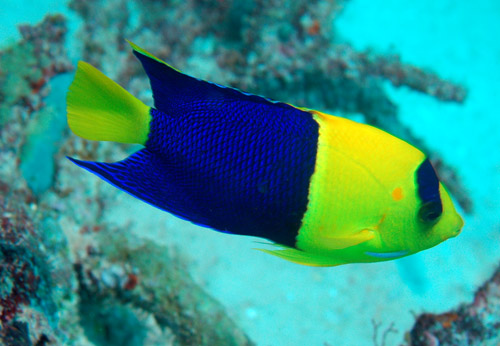
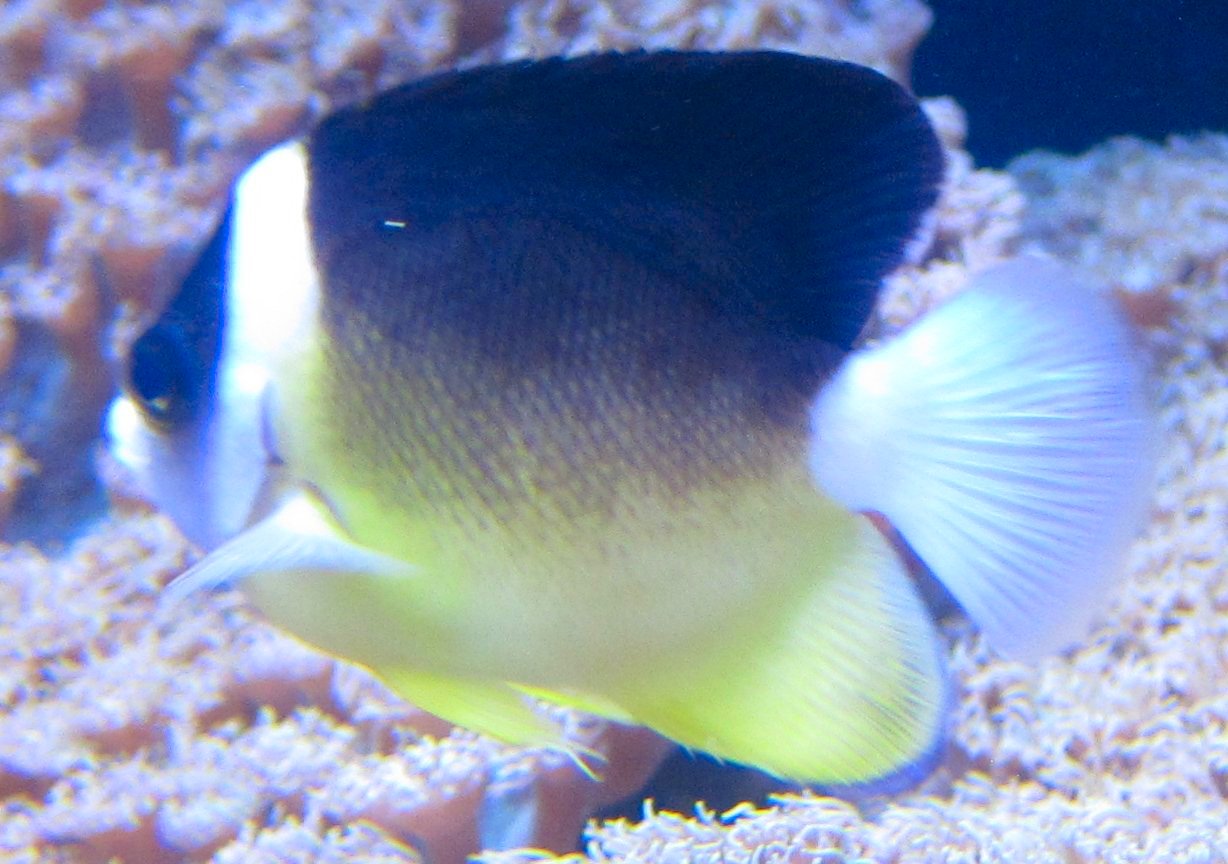
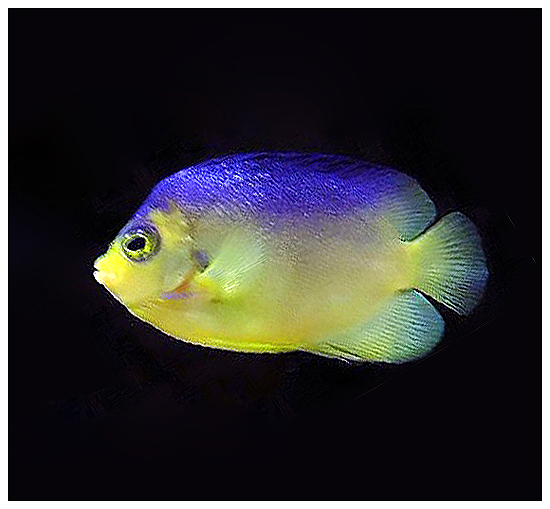

Frequently Asked Questions
What is Centropyge?
Centropyge is a genus of small, ray-finned marine angelfish in the family Pomacanthidae, commonly nicknamed 'dwarf angels' by the reef-fish hobby. It contains roughly 35 recognized species organized into three subgenera, and no member grows past 15 cm in length.
How big do Centropyge angelfish actually get?
Every species in the genus tops out at 15 cm or less, which is the defining trait that separates them from larger pomacanthids like Holacanthus or Genicanthus. That compact size is a big part of why they're so popular in home reef tanks.
What's the social structure of Centropyge in the wild?
These fish live in harem groups where a single dominant male holds a territory alongside several females. This one-male, multi-female arrangement is consistent across the genus and is one of the first things you'll notice when observing a wild group on a reef.
Where can you find Centropyge species?
The genus spans all three tropical ocean basins—the Atlantic, Indian, and Pacific—typically on coral reefs. That broad distribution is one reason the genus has accumulated so many species over its evolutionary history.
Why is Centropyge called paraphyletic?
The genus is paraphyletic because the lineages now placed in Genicanthus and Apolemichthys actually nest inside Centropyge's evolutionary tree rather than branching off as separate sister groups. In practical terms, the current genus boundary doesn't capture all descendants of the group's most recent common ancestor, a problem taxonomists are still working through.
More in Marine Angelfish 1-24
Spotted an error? Know more?
Reader corrections go straight into our review queue. Suggest an edit · How this site is sourced