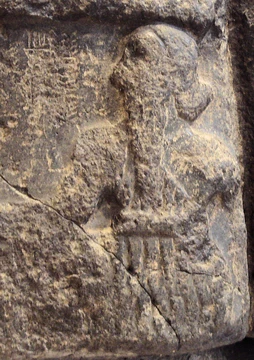
Tukulti-Ninurta II
Second king of the Neo-Assyrian Empire, consolidator and builder.

Tukulti-Ninurta II, whose name means “my trust is in the warrior god Ninurta,” ruled Assyria from 890 to 884 BCE as its second Neo-Assyrian king. He built on the work of his father, Adad-nirari II, by securing earlier victories over the Neo-Hittites, Babylonians, and Arameans. During his short reign, he also led successful campaigns into the Zagros Mountains of Iran, bringing the region under Assyrian control.
After defeating Ammi-Ba’al, the king of Bit-Zamani, Tukulti-Ninurta II made a treaty with him. The agreement banned the sale of horses to Assyria’s enemies, and Bit-Zamani became a loyal vassal. Ammi-Ba’al kept his throne but was required to support Assyrian military expeditions into the Upper Tigris region against the Hurrians and Urartians of Nairi.
The king improved both Nineveh and Assur, strengthening their city walls, constructing palaces and temples, and decorating gardens with scenes of his military successes. His son, Ashurnasirpal II, took the throne after him.
Quick Facts
- Title
- King of Assyria · King of the Four Corners of the World · King of the Universe
- Reign
- 7 regnal years / 890–884 BCE
- Predecessor
- Adad-Nirari II
- Successor
- Ashurnasirpal II
- Mother
- Babylonian princess, daughter of Nabu-shuma-ukin I (?)
- Birth Date
- 10th century BCE
- Death Date
- 884 BCE
- Succession
- King of the Neo-Assyrian Empire
Facts from the source article.
Lore & Background
Tukulti-Ninurta II was the son of Adad-nirari II, the first king of the Neo-Assyrian period. During his brief reign, he consolidated the gains made by his father over the Neo-Hittites, Babylonians, and Arameans. He also successfully campaigned in the Zagros Mountains of Iran, bringing the region under Assyrian control.
He was victorious over Ammi-Ba'al, the king of Bit-Zamani, and entered into a treaty with him that included prohibitions against selling horses to Assyria's foes. As a result, Bit-Zamani became an ally and vassal of Assyria, with Ammi-Ba'al remaining in power but required to support Tukulti-Ninurta II during military expeditions to the Upper Tigris against the Hurrians and Urartians in Nairi.
Tukulti-Ninurta II developed both Nineveh and Assur, improving their city walls, building palaces and temples, and decorating the gardens with scenes of his military achievements. His son, Ashurnasirpal II, succeeded him.
Reader's Guide
Tukulti-Ninurta II's significance lies in his role as a consolidator of the Neo-Assyrian Empire's early expansion. Building on his father Adad-nirari II's foundations, he secured Assyrian control over key regions including the Neo-Hittites, Babylonians, and Arameans. His campaigns into the Zagros Mountains brought the Persians and Medes under Assyrian influence, marking an early stage of Assyrian contact with Iranian peoples. The treaty with Bit-Zamani, which restricted horse sales to Assyrian enemies, illustrates the strategic diplomacy used to secure vassal states and military support. His building projects in Nineveh and Assur—improving walls, constructing palaces and temples, and adorning gardens with battle scenes—reflect the use of architecture and art to project royal power. Though his reign was brief, his efforts paved the way for his son Ashurnasirpal II, who would further expand the empire. Tukulti-Ninurta II thus represents a transitional figure who strengthened the administrative and military framework of the early Neo-Assyrian state.
Did You Know?
- He led campaigns in the Zagros Mountains, bringing the region under Assyrian control.
- He made a treaty with Ammi-Ba'al of Bit-Zamani that prohibited selling horses to Assyria's foes.
- He improved the city walls, built palaces and temples, and decorated gardens with scenes of his military achievements in Nineveh and Assur.
More in Kings of the Universe 1-24
Spotted an error? Know more?
Reader corrections go straight into our review queue. Suggest an edit · How this site is sourced