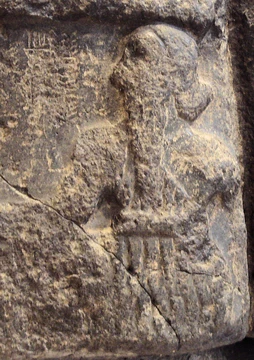
Sîn-šar-iškun
Penultimate Neo-Assyrian king who died at the Fall of Nineveh.

Sîn-šar-iškun (Neo-Assyrian Akkadian: 𒁹𒀭𒌍𒌋𒌋𒃻𒌦, romanized: Sîn-šar-iškun or Sîn-šarru-iškun, meaning 'Sîn has established the king') was the penultimate king of the Neo-Assyrian Empire. He reigned from the death of his brother and predecessor Aššur-etil-ilāni in 626/625 BCE to his own death at the Fall of Nineveh in 612 BCE. His reign saw the collapse of the Assyrian Empire despite his use of traditional Assyrian military tactics.
Quick Facts
- Title
- King of Assyria · King of Babylon · King of the Universe
- Predecessor
- Aššur-etil-ilāni
- Successor
- Aššur-uballiṭ II · (Assyria) · Nabopolassar · (Babylon)
- Mother
- Libbāli-šarrat
- Birth Date
- Before 660 BCE
- Spouse
- Ana-Tašmētum-taklāk (?)
- Death Place
- Nineveh
- Succession
- King of the Neo-Assyrian Empire
- Father
- Ashurbanipal
- Dynasty
- Sargonid dynasty
Facts from the source article.
Lore & Background
Sîn-šar-iškun succeeded his brother Aššur-etil-ilāni in 626/625 BCE under uncertain, possibly violent circumstances. He was immediately faced by the revolt of Sîn-šumu-līšir, a chief general of his brother, who attempted to usurp the throne and briefly took over much of Babylonia. Though Sîn-šumu-līšir was defeated relatively quickly, the instability caused by his revolt, combined with an ongoing interregnum in Babylonia, may have enabled Nabopolassar to rise up and seize power, forming the Neo-Babylonian Empire and restoring Babylonian independence after more than a century of Assyrian rule.
Reader's Guide
Sîn-šar-iškun's significance lies in his role as the ruler during the catastrophic fall of the Neo-Assyrian Empire. Despite employing the same tactics as his successful warrior-king predecessors and utilizing his forces rationally and strategically, he was unable to defeat Nabopolassar or prevent the invasion of the Assyrian heartland by the Neo-Babylonian Empire and the Median ruler Cyaxares. The Medes captured and sacked Assur in 614 BCE, and in 612 BCE combined armies attacked and razed Nineveh. Sîn-šar-iškun's fate is unknown, but he is assumed to have died in the defense of his capital. His legacy is tied to the empire's downfall, which may have resulted from internal revolts, lack of an effective defensive plan for the heartland, overexpansion, and facing multiple enemies intent on destroying Assyria.
Did You Know?
- Sîn-šar-iškun's name means 'Sîn has established the king'.
- He was the penultimate king of the Neo-Assyrian Empire, succeeded only by Aššur-uballiṭ II, his son.
- The revolt of Sîn-šumu-līšir, a chief general, briefly took over much of Babylonia early in his reign.
- He has sometimes been historically and erroneously known as Esarhaddon II.
More in Kings of the Universe 1-24
Spotted an error? Know more?
Reader corrections go straight into our review queue. Suggest an edit · How this site is sourced