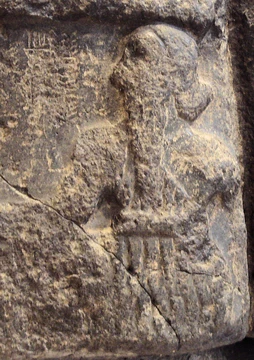
Nabu-shum-libur
Last king of the 2nd Dynasty of Isin, ruled amid Aramean incursions.

Nabû-šumu-libūr (c. 1029–1022 BC) was the eleventh and final king of the Second Dynasty of Isin, which is also counted as the Fourth Dynasty of Babylon. His name means "O Nabû, may my progeny (or the son) stay in good health." He ruled at a time when Aramean nomadic groups were raiding northwestern Babylonia, creating widespread instability.
Very few records survive from his reign. One legal text, dating to his first year, was discovered at Kār-Bēlet-Ilāni near Nippur. It records that the governor of Nippur, Nusku-zêra-iddina, was compensated with land after he ransomed a man named Mudammiqu from the enemy. The payment was made in goods, with the text listing each item and its cash equivalent, totaling 420 shekels. This document, first published in 1983, contains the earliest known price for iron: an iron dagger of unspecified weight valued at two shekels of silver. Eleven witnesses, representing Nippur’s elite, signed the text, and the god Ninurta was invoked as the patron of boundaries.
A stone duck weight inscribed with the king’s name and the title "king of the world" (šar kiššati) was later found in the Northwest Palace of Nimrud, where it had been kept as an antique. Discovered by Layard in the mid-19th century, it weighs 30 minas (about 15 kilograms) and may indicate ongoing trade.
A damaged Religious Chronicle from the Seleucid era records ominous portents for his reign, including the line "a lion was lying lurking and they killed it," which was later interpreted as a prophecy of the dynasty’s fall. The exact events at the end of his rule are unknown, but by that time northern Babylonia had been overrun by Aramean tribesmen from the west. The dynasty was succeeded by the Second Dynasty of Sealand, after a large part of southern Mesopotamia seceded.
Quick Facts
- Title
- King of Babylon
- Predecessor
- Marduk-zer-X
- Successor
- Simbar-Šipak / (Dynasty V)
- Royal House
- 2nd Dynasty of Isin
Facts from the source article.
Lore & Background
Very little material survives from Nabû-šumu-libūr's reign. A legal text from his first year, found at Kār-Bēlet-Ilāni near Nippur, records the reimbursement of Nusku-zêra-iddina, the šandabakku (governor of Nippur), with land after he ransomed a man named Mudammiqu from the 'enemy'. The price was paid in kind, with items listed along with their cash equivalent, totaling 420 shekels. This text, first published in 1983, provides the earliest recorded price for iron: an iron dagger of unspecified weight valued at two shekels of silver. The document was witnessed by eleven elite individuals from Nippur, and the god Ninurta is invoked as patron deity of boundaries.
A stone duck weight inscribed with his name and optimistically titled šar kiššati (king of the world) was found in the Northwest palace of Nimrud, preserved as an antique and rediscovered by Layard in the mid-19th century. The weight was marked 30 minas (about 15 kilograms), possibly indicating continued trade. Ominous portents dated to his reign appear in a damaged Religious Chronicle of the Seleucid era, recording: 'a lion was lying lurking and they killed it,' a prophecy interpreted as fulfilled by the fall of the dynasty. The events at the end of his reign are not known, but northern Babylonia had been overrun by Aramean tribesmen, and the dynasty was followed by the 2nd Dynasty of Sealand when a substantial part of southern Mesopotamia seceded.
Reader's Guide
Nabû-šumu-libūr's significance lies in his position as the final king of the 2nd Dynasty of Isin, ruling during a period of Aramean incursions that destabilized Northwest Babylonia. The scant surviving evidence—a single legal text and a stone duck weight—offers glimpses into economic and administrative life at the time. The legal text is particularly notable for containing the earliest recorded price for iron, a valuable historical datum for the study of ancient metallurgy and trade. The duck weight, inscribed with the grandiose title 'king of the world,' suggests that even in a period of decline, royal propaganda continued, and the object's later discovery at Nimrud indicates it was preserved as an antique, hinting at ongoing trade or diplomatic exchange. The ominous portent recorded in a later chronicle, linking a lion's killing to the dynasty's fall, reflects how later scribes interpreted his reign as a prelude to collapse. His legacy is thus tied to the end of an era: the secession of southern Mesopotamia to the 2nd Dynasty of Sealand marked the fragmentation of Babylonian unity, a process in which Nabû-šumu-libūr was the last representative of his line.
Did You Know?
- The earliest recorded price for iron appears in a legal text from Nabû-šumu-libūr's first year, where an iron dagger was valued at two shekels of silver.
- A damaged Religious Chronicle of the Seleucid era records an ominous portent from his reign: 'a lion was lying lurking and they killed it,' interpreted as a prophecy of the dynasty's fall.
- His reign ended with northern Babylonia overrun by Aramean tribesmen and the secession of southern Mesopotamia to the 2nd Dynasty of Sealand.
More in Kings of the Universe 1-24
Spotted an error? Know more?
Reader corrections go straight into our review queue. Suggest an edit · How this site is sourced