Qisas al-Anbiya
Collections of prophetic stories expanding Qur'anic allusions.

The Qiṣaṣ al-anbiyāʾ (Arabic: قِصَص الْأَنـۢبِيَاء, 'Stories of the Prophets') are collections of narratives about figures recognized as prophets and messengers in Islam. They emerged as a distinct genre of Islamic literature to preserve and expand upon the parabolic references to biblical figures in the Qur'an, drawing primarily on Jewish, Christian, and pre-Islamic Arabian traditions (Isra'iliyyat).
- Theological status
- Considered a supplementary source by many classical and modern scholars, though some have criticized the use of Isra'iliyyat; their reliability for studying the lives of prophets is debated rather tha
Lore & Background
The Qiṣaṣ al-anbiyāʾ typically begin with the creation of the world and angels, culminating in Adam, then proceed chronologically through prophets including Idris, Nuh, Hud, Salih, Abraham, Lot, Isaac, Jacob, Joseph, Moses, David, Solomon, Jonah, and up to John the Baptist and Jesus. Unlike Qur'an commentaries that follow the Qur'an's structure, these works present stories in linear order, similar to Jewish and Christian biblical narratives. Authors often incorporated local folklore and oral traditions, and many tales echo medieval Christian and Jewish stories.
Reader's Guide
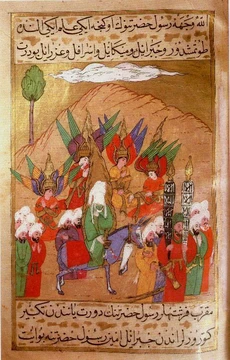
The Qiṣaṣ al-anbiyāʾ arose from the need to preserve the fuller narratives that the Qur'an's original audiences understood from their own knowledge, as Islam expanded and encountered other cultures. They drew on written commentaries (tafsir) and oral storytelling by paid preachers (quṣṣāṣ) under the Umayyad Caliphate. Although influential in popular piety and later Jewish writing in the Muslim world—such as the work of the 14th-century scholar Shāhin-i Shirāzi—Islamic theologians consistently regarded these writings as unreliable for historical or doctrinal study. The genre's didactic emphasis on wisdom and moral teachings, rather than strict historicity, distinguishes it from authoritative scripture. In the mid-16th century, Ottoman authors and miniature painters created illuminated versions like Zubdat al-Tawarikh and Siyer-i Nebi, which reflected ideological polemics with Shi'ite Iran and Christian Europe.
Did You Know?
- The Qiṣaṣ al-anbiyāʾ are closely related to tafsīr (Qur'an exegesis) but follow a chronological order rather than the Qur'an's structure.
- Islamic scholars have held varied views on these writings; while some criticized Isra'iliyyat, many have used them as supplementary sources for prophetic stories.
- Abdul Wahhab Najjar's 20th-century work on prophetic stories draws primarily from the Quran and authentic hadith, but also includes some material from earlier Qiṣaṣ traditions and Isra'iliyyat.
- Ottoman illuminated versions of the Qiṣaṣ, such as Zubdat al-Tawarikh, were used in polemical discourse with Shi'ite Iran and Christian Europe.
More in Islamic mythology 1-24
Spotted an error? Know more?
Reader corrections go straight into our review queue. Suggest an edit · How this site is sourced