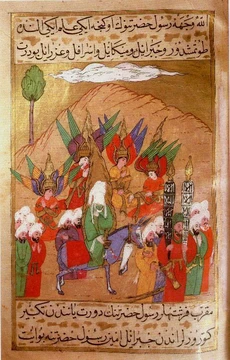
Az-Zumar
39th surah of the Qur'an, revealed in mid-Meccan period.

عامر شاہین · CC BY-SA 3.0
Az-Zumar (Arabic: الزمر, ’az-zumar; meaning "The Troops" or "The Throngs") is the 39th chapter of the Qur’an, Islam’s central religious text. It has 75 verses, and its title comes from the Arabic word *zumar* (troops), which appears in verses 71 and 73. The chapter is thought to have been revealed during the middle Meccan period, a time when persecution of Muslim believers by polytheists had intensified.
The surah focuses on the signs of God’s oneness (tawhid) found in nature and stresses how pointless it is to associate partners with God. It also hints at emigration for believers who were struggling to worship in their homeland. The chapter makes clear that there can be no middle ground between believing in God’s oneness and associating partners with Him. It also reminds readers of the afterlife, where people will see the results of their own actions.
A summary of the chapter’s content includes: the Qur’an as a revelation from God to Muhammad; Muhammad’s duty to practice pure religion; God’s rejection of idolaters and of having a son; God’s sovereignty and manifestations in creation; the ingratitude of idolaters; the unequal status of the righteous and wicked; the reward of the faithful; the loss faced by idolaters; repentance and reward for idolaters who turn back; the punishment of the wicked in hell; parables in the Qur’an; a debate between Muhammad and the infidels before God; the threat from Meccan polytheists; the acknowledgment by idolaters that God is the creator; the resurrection; intercession only by God’s permission; judgment between believers and idolaters; the regrets of the impenitent on Judgment Day; God as sovereign ruler of heaven and earth; the resurrection and fearful scenes of Qiyamah; the blowing of the trumpet, when all creatures die except those God chooses (according to some tafsir scholars, survivors include the archangels Israfil, Jibril, Mikail, the Bearers of the Throne, and the Archangel of death); and the reward and punishment of the troops of the righteous and wicked, with God praised by righteous men and angels.
In exegesis, verse 5 says: “He wraps the night over the day and wraps the day over the night.” Turkish writer Ali Ünal notes that the word “wraps” is a simile that alludes both to the earth’s roundness and to differences in times of sunrise and sunset.
Quick Facts
- Number
- 39
- Name-En
- The Troops
- Prev Sura
- Quran 38
- Next Sura
- Quran 40
- Classification
- Meccan
- Juz
- 23 to 24
- Rukus
- 8
- Verses
- 75
- Words
- 1177
- Letters
- 4869
- Audio
- Chapter 39, Az-Zumar (Mujawwad) - Recitation of the Holy Qur'an.mp3
Facts from the source article.
Lore & Background
Az-Zumar expounds the signs of God's Oneness (tawhid) in the natural world and emphasizes the absurdity of associating partners with God. It also hints at emigration for believers suffering great difficulties in worshiping God in their homeland. The surah declares that there can be no reconciliation between believing in God's Oneness and associating partners with God, and reminds readers of the other world where people will see the outcome of their own deeds.
Reader's Guide
Az-Zumar holds significance as a mid-Meccan surah that addresses the escalating persecution of early Muslims by polytheists. Its central message reinforces the core Islamic doctrine of tawhid (God's Oneness) and the rejection of shirk (associating partners with God). The surah provides comfort and guidance to believers facing hardship, including the possibility of emigration. It also contains vivid descriptions of the Day of Judgment, including the blowing of the Armageddon trumpet, where according to several tafsir scholars, certain archangels such as Israfil, Jibril, Mikail, the Bearers of the Throne, and the Archangel of death survive the blast. The surah's legacy lies in its clear demarcation between belief and unbelief, its emphasis on personal accountability, and its use of natural phenomena as signs of divine unity.
Did You Know?
- The surah's name comes from the Arabic word 'zumar' (troops) found in verses 71 and 73.
- It is believed to have been revealed in the mid-Meccan period when persecutions of Muslims had escalated.
- Verse 5 uses the word 'wraps' as a simile that alludes both to the earth's being rounded and to differences in times of sunrise and sunset.
- According to several tafsir scholars, the archangel Israfil is among those who survive the Armageddon trumpet blow.
Historical Context: Revelation Amid Persecution
Az-Zumar is understood to have been revealed during the mid-Meccan period, a time when the polytheist community of Makkah had intensified its harassment of the early Muslim believers. The surah's backdrop is one of escalating oppression, with believers facing severe difficulties in carrying out their worship within their own homeland. Against this pressure, the text offers a subtle but pointed hint toward emigration, suggesting that those who cannot freely practice their faith may need to seek refuge elsewhere. The chapter thus speaks not merely as abstract theology but as a direct address to a community under siege, reassuring them that their suffering is neither unnoticed nor meaningless. The polytheists of Makkah are specifically named as those who threaten the Prophet, yet the surah simultaneously extends an open door of repentance to them, declaring that idolaters who turn back to God shall be forgiven. This dual posture—firm in principle, merciful in invitation—frames the entire revelation as both a warning to oppressors and a lifeline for the persecuted.
Theological Core: Absolute Monotheism and the Rejection of Shirk
The central theological argument of Az-Zumar is an uncompromising defense of tawhid, the absolute Oneness of God. The surah points to the natural world as a gallery of divine signs—the wrapping of night over day, the sun and moon running their appointed courses, the growth and decay of living things—and insists that all of these testify to a single Creator who requires no partners and has not chosen to have a son. The text goes further by declaring that no reconciliation is possible between genuine belief in God's singularity and the association of any being with Him; the two positions are presented as irreconcilable opposites. The righteous and the wicked are emphatically not equal before God, and the chapter repeatedly underscores that the Muslim and the infidel occupy fundamentally different moral standings. Yet even within this firm framework, the surah leaves a narrow path open: idolaters who sincerely repent are promised reward, showing that the door of divine mercy remains accessible until the moment of final judgment closes it.
Eschatology: The Trumpet, the Troops, and Final Judgment
A substantial portion of Az-Zumar is devoted to the terrifying and awe-inspiring scenes of the Day of Judgment. The surah describes the blowing of the Armageddon trumpet, a sound at which every creature and creation meets its death, with the sole exception of those whom Allah has chosen to survive. According to several tafsir scholars and a hadith sourced from Anas ibn Malik—narrated through Ibn Mawardayh and al-Firyabi and recorded by Al-Suyuti—the survivors include the archangel Israfil, who blows the trumpet himself, along with Jibril, Mikail, the Bearers of the Throne, and the Archangel of Death. Following this cataclysm, the surah depicts the division of humanity into two great troops, the righteous and the wicked, each receiving their respective reward or punishment. No one may intercede on another's behalf except by God's explicit permission. The impenitent are shown weeping in regret as God rejects their belated apologies and marks their faces in disgrace, while the faithful are saved and join angels in praising the Sovereign Ruler of heaven and earth.
Literary Architecture: From Cosmic Signs to Personal Comfort
Spanning seventy-five verses, Az-Zumar follows a carefully layered rhetorical arc. It opens by affirming the Qur'an as a divine revelation and the Prophet's mission to present a pure religion, then moves into a survey of creation as evidence of God's sovereignty. The middle passages deploy every kind of parable to illustrate moral truths, while verse twenty-four explicitly notes that the text first frightens and then comforts its audience—a deliberate emotional rhythm. The chapter also contains a striking metaphor in verse nine, where God wraps the night over the day and the day over the night; the Turkish writer Ali Ünal reads this as a simile that simultaneously evokes the earth's roundness and the shifting times of sunrise and sunset. Toward the close, the surah returns to the image of God raising the dead just as He rouses a sleeper, grounding the abstract promise of resurrection in an everyday human experience. The final verses circle back to the title's namesake—the troops of the righteous and the wicked—before ending on a note of praise from both the saved and the angels.
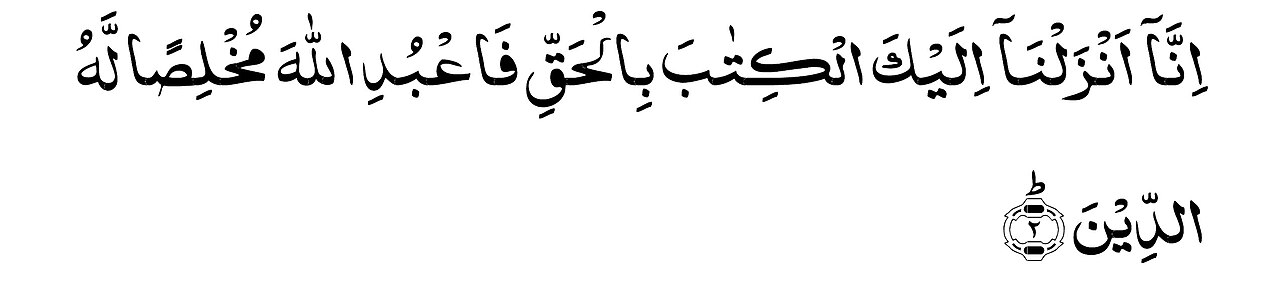
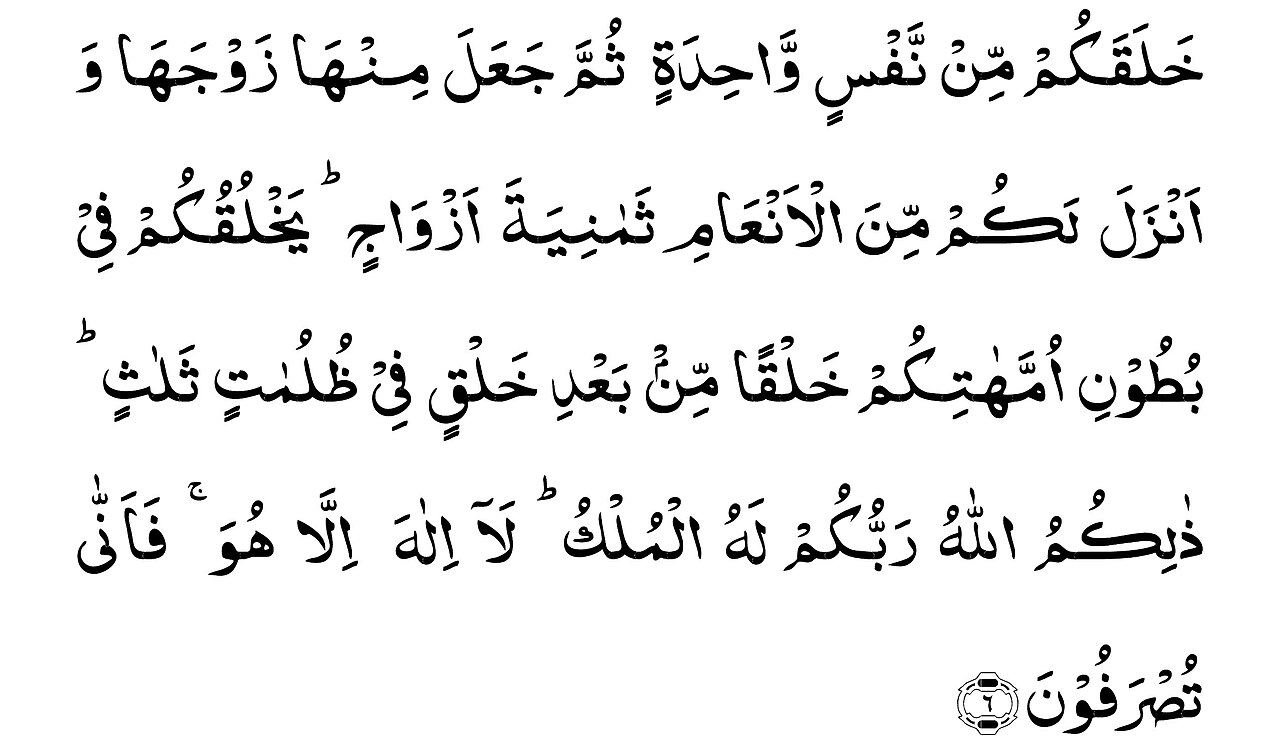
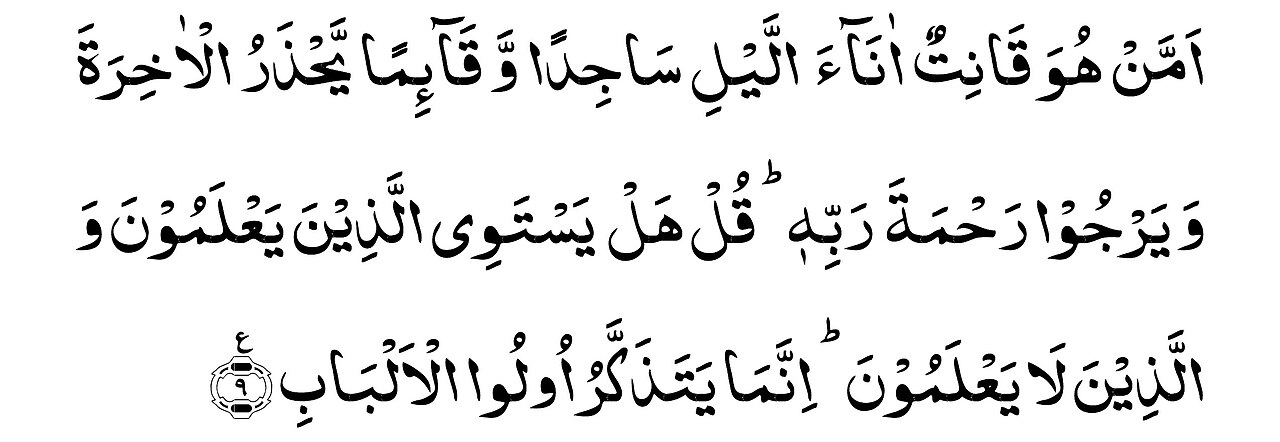
Gallery

Frequently Asked Questions
What is Az-Zumar?
Az-Zumar is the 39th surah (chapter) of the Qur'an, Islam's foundational scripture. Its name translates to 'The Troops' or 'The Throngs,' a phrase that appears in the chapter's closing verses.
What is the central theme of Az-Zumar?
The surah is built around tawhid, the absolute oneness of God, and argues that assigning partners to the divine is inherently irrational. It points to observable signs in nature as evidence of a single Creator.
When was Az-Zumar revealed?
Scholars place its revelation in the middle Meccan period, a phase when early Muslim believers faced intensifying persecution from Meccan polytheists.
How long is Az-Zumar?
The chapter contains 75 verses (ayahs) in total.
Why is Az-Zumar significant to believers?
Beyond its core argument for God's singularity, the surah also alludes to emigration as a path for believers enduring severe oppression, making it a reference point for both creed and practical faith under hardship.
More in Islamic mythology 1-24
Spotted an error? Know more?
Reader corrections go straight into our review queue. Suggest an edit · How this site is sourced