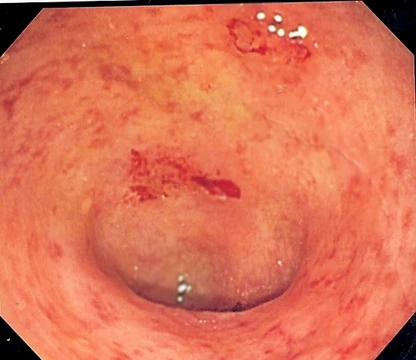
Enterocolitis
Inflammation of the small intestine and colon.

Jhuma1971 · CC BY-SA 4.0
Enterocolitis is a condition marked by inflammation in the digestive tract, specifically affecting both the small intestine (enteritis) and the colon (colitis). A range of infectious agents can trigger it, including bacteria, viruses, fungi, and parasites, among other causes. The most common symptom is frequent, watery diarrhea, which may be accompanied by nausea, vomiting, abdominal pain, fever, chills, and a general decline in well-being. These systemic effects often arise from the spread of the pathogen or its toxins through the body, but more frequently result from significant fluid and mineral loss due to diarrhea and vomiting.
Signs and symptoms include abdominal pain, diarrhea, nausea, vomiting, fever, and loss of appetite.
Common bacterial causes of acute enterocolitis include Salmonella, Shigella, Escherichia coli (E. coli), and Campylobacter. Viral triggers are enteroviruses, rotaviruses, norovirus, and adenoviruses. Fungal causes, such as candidiasis, are more likely in immunosuppressed patients or those who have had prolonged antibiotic treatment. Parasitic agents include Giardia lamblia (which often infects many people without causing symptoms), Balantidium coli, Blastocystis hominis, Cryptosporidium (causing diarrhea in immunosuppressed individuals), and Entamoeba histolytica (which leads to amoebic dysentery, common in tropical regions).
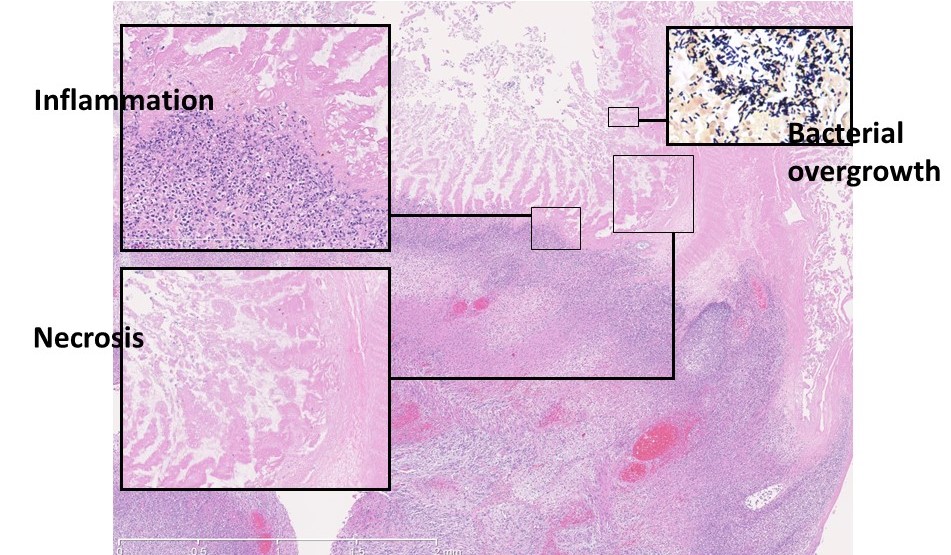
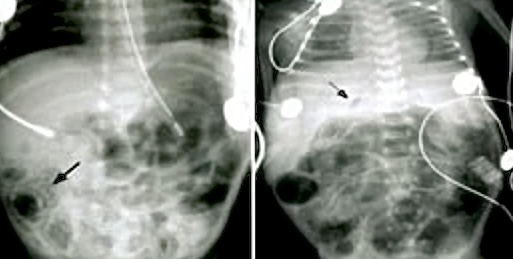
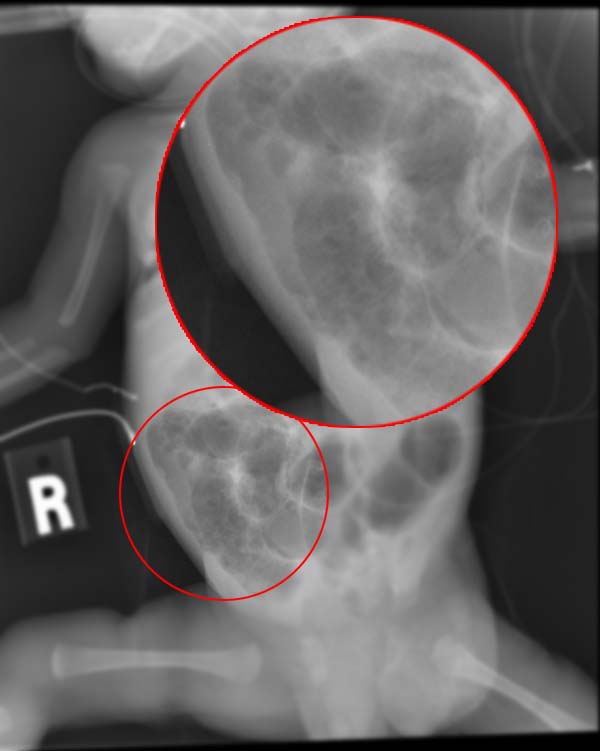
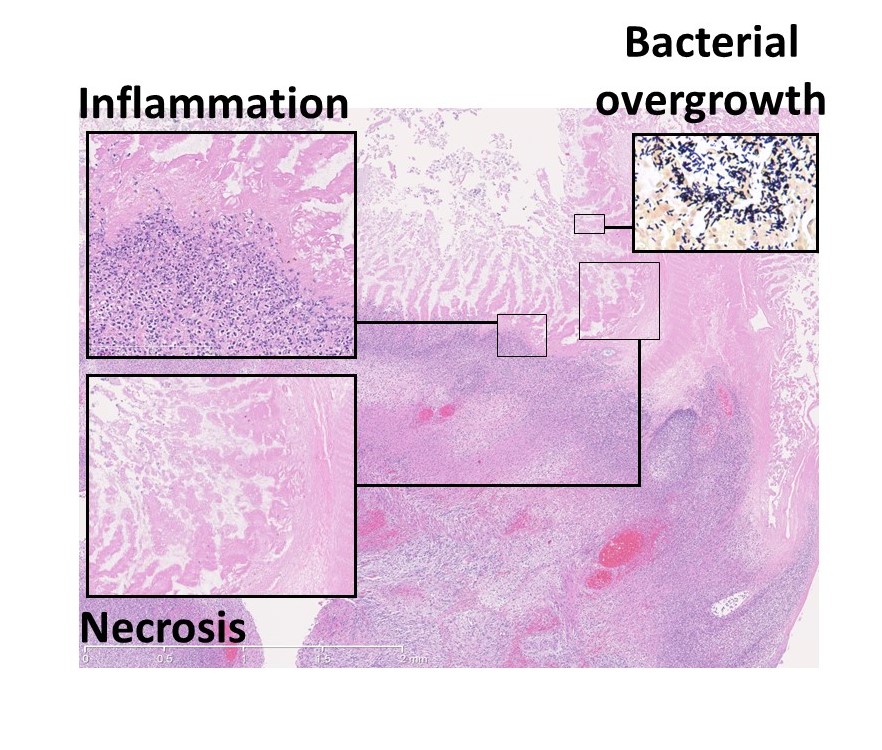
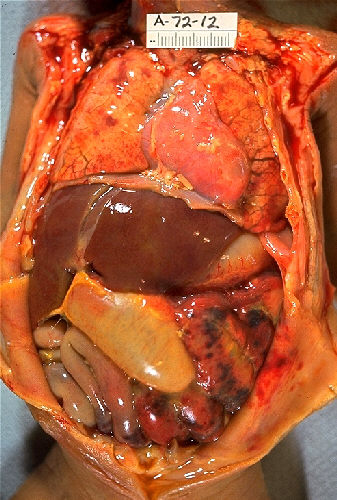
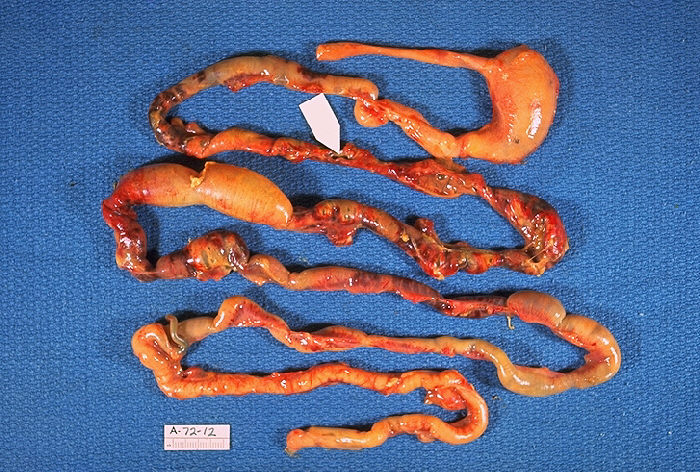
Specific types of enterocolitis include necrotizing enterocolitis, which primarily affects premature infants, and pseudomembranous enterocolitis, also known as pseudomembranous colitis.
Treatment depends on the underlying cause: for example, antibiotics like metronidazole for bacterial infections, antiviral drugs for viral infections, and anti-helminthic medications for parasitic infections.
- Field
- Medicine
- Known for
- Inflammation of the small intestine and colon
- Causes
- Bacteria, viruses, fungi, parasites
- Common symptoms
- Abdominal pain, diarrhea, nausea, vomiting, fever, loss of appetite
- Types
- Necrotizing enterocolitis, pseudomembranous enterocolitis
Lore & Background
Enterocolitis is an inflammation of the digestive tract, specifically involving the small intestine (enteritis) and the colon (colitis). It can be caused by a variety of infectious agents, including bacteria such as Salmonella, Shigella, Escherichia coli, and Campylobacter; viruses such as enteroviruses, rotaviruses, norovirus, and adenoviruses; fungi such as candidiasis, especially in immunosuppressed patients or those who have received prolonged antibiotic treatment; and parasites such as Giardia lamblia, Balantidium coli, Blastocystis hominis, Cryptosporidium, and Entamoeba histolytica.
Reader's Guide
Enterocolitis is a significant medical condition due to its potential to cause severe dehydration and systemic illness. The general manifestations of enterocolitis are given by the dissemination of the infectious agent or its toxins throughout the body, or most frequently by significant losses of water and minerals as a consequence of diarrhea and vomiting. Specific types include necrotizing enterocolitis, most common in premature infants, and pseudomembranous enterocolitis. Treatment depends on the etiology, with antibiotics such as metronidazole for bacterial infection, antiviral drug therapy for viral infection, and anti-helminths for parasitic infections. The condition is closely related to gastroenteritis.
Did You Know?
- Enterocolitis involves inflammation of both the small intestine and the colon.
- Common causes include bacteria like Salmonella, viruses like norovirus, and parasites like Giardia lamblia.
- Necrotizing enterocolitis is most common in premature infants.
- Treatment depends on the cause, such as antibiotics for bacterial infections.
Defining Enterocolitis Within the Broader GI Spectrum
Enterocolitis sits at the intersection of infectious, autoimmune, and physiological processes that target the intestinal tract. In plain terms, it describes inflammation of the intestines, a condition that frequently manifests as diarrhea but can also produce vomiting, constipation, or visibly altered stool, including the presence of blood. It does not exist in isolation; rather, it is one thread in a vast tapestry of gastrointestinal illness that spans the esophagus, stomach, small and large intestines, rectum, and the accessory organs of digestion such as the liver, gallbladder, and pancreas. Acute presentations of intestinal disease range from straightforward infectious diarrhea to the more dangerous mesenteric ischaemia, while chronic and structural problems include inflammatory bowel disease, classified as either Crohn's disease or ulcerative colitis, intestinal pseudoobstruction, and necrotizing enterocolitis. Understanding enterocolitis therefore requires situating it within this wider landscape, because the same underlying mechanisms that inflame the bowel wall can simultaneously affect the mouth, the esophagus, and even distant tissues, making a whole-system perspective essential for both diagnosis and management.
The Mouth as an Early Window into Intestinal Trouble
Because the oral cavity is technically part of the gastrointestinal system, changes appearing in the mouth can serve as the very first visible clue to a deeper digestive or systemic problem. The pattern to watch for includes swelling, inflammation, ulceration, and fissuring. When these oral signs show up, the patient is more likely to harbor lesions in the anal region or the esophagus, as well as other extra-intestinal manifestations. Several specific conditions make this connection vivid. Malabsorption-related illnesses, for instance, tend to trigger recurrent mouth ulcers, atrophic glossitis, and angular cheilitis; Crohn's disease, when it involves the mouth in isolation, is sometimes called orofacial granulomatosis. Peutz-Jeghers syndrome paints dark spots across the oral mucosa, the lips, and the skin framing the mouth. Sideropenic dysphagia can produce glossitis and angular cheilitis as well. Even gastroesophageal reflux disease, though primarily an esophageal complaint, can erode tooth enamel and cause persistent halitosis. Recognizing these oral fingerprints early can redirect a clinician's attention toward the intestines before more dramatic symptoms develop.
Reading the Bowel Wall: Imaging, Biopsy, and Laboratory Clues
Diagnosing enterocolitis and distinguishing it from other intestinal pathologies relies on a layered investigative approach. For the large intestine, colonoscopy allows direct visualization and tissue sampling, while a stool specimen can be sent for culture and microscopy to identify infectious agents. When the stomach is in question, endoscopy with biopsy becomes the tool of choice. Cross-sectional imaging adds another critical dimension: on a CT scan, the normal small-intestinal wall measures roughly three to five millimeters in thickness, and the large-intestinal wall one to five millimeters. Deviations from these baselines carry diagnostic weight. Focal, irregular, and asymmetrical wall thickening raises suspicion for a malignancy, whereas segmental or diffuse thickening points more often toward ischemic, inflammatory, or infectious etiologies. A subtler but important caveat is that certain medications, including ACE inhibitors, can produce angioedema and small-bowel wall thickening that mimics true pathology. Together, these imaging, endoscopic, and laboratory findings allow clinicians to separate a benign inflammatory episode from a more sinister structural or neoplastic process.
Treatment Pathways and the Broader Intestinal Disease Landscape
Therapeutic strategy for enterocolitis and related intestinal conditions is tailored to the underlying mechanism. When the trigger is an identified infection, targeted antibiotic therapy is the mainstay. Inflammatory bowel disease, whether Crohn's disease or ulcerative colitis, calls for immunosuppressive regimens to calm the autoimmune-driven inflammation. Mechanical problems such as bowel obstruction, which can arise from ileus, intussusception, or volvulus, may ultimately require surgical intervention. The small intestine itself, comprising the duodenum, jejunum, and ileum, can be the site of localized inflammation termed duodenitis, jejunitis, or ileitis, and is also vulnerable to a range of chronic malabsorptive conditions including coeliac disease, tropical sprue, and short bowel syndrome. Rarer entities such as Whipple's disease, blind loop syndrome, and Milroy disease, along with neoplasms like gastrointestinal stromal tumours, lipomas, hamartomas, and carcinoid syndromes, round out the spectrum. Symptoms across all of these overlap, including diarrhea, malnutrition, fatigue, and weight loss, making precise diagnosis essential before treatment can be directed effectively.
Gallery
Frequently Asked Questions
Who is Enterocolitis?
Enterocolitis is a medical condition in which the lining of both the small intestine and the large intestine becomes inflamed at the same time. It sits at the intersection of enteritis (small-bowel inflammation) and colitis (colon inflammation), making it a broader inflammatory event than either condition alone.
What are Enterocolitis's powers/role?
Its primary effect is to trigger a cascade of symptoms including watery diarrhea, abdominal cramping, nausea, vomiting, fever, and chills. These manifestations are driven by the body's immune response to an invading pathogen or by toxins it releases, which can also cause significant fluid and electrolyte loss.
Why is Enterocolitis important?
It matters because it can be triggered by a wide variety of causative organisms—bacteria, viruses, fungi, and parasites—making diagnosis and targeted treatment challenging. Recognizing it early is critical, especially in vulnerable populations such as premature infants, where forms like necrotizing enterocolitis carry serious risk.
What are Enterocolitis's known forms?
Two well-recognized variants are necrotizing enterocolitis, which involves tissue death in the intestinal wall, and pseudomembranous enterocolitis, characterized by abnormal membrane-like plaques forming on the colon lining. Both represent more severe presentations compared to typical infectious enterocolitis.
More in Inflammatory diseases of the digestive system 1-22
Spotted an error? Know more?
Reader corrections go straight into our review queue. Suggest an edit · How this site is sourced