Colitis
Inflammation of the colon with variable causes and symptoms.

DataBase Center for Life Science (DBCLS) · CC BY 4.0
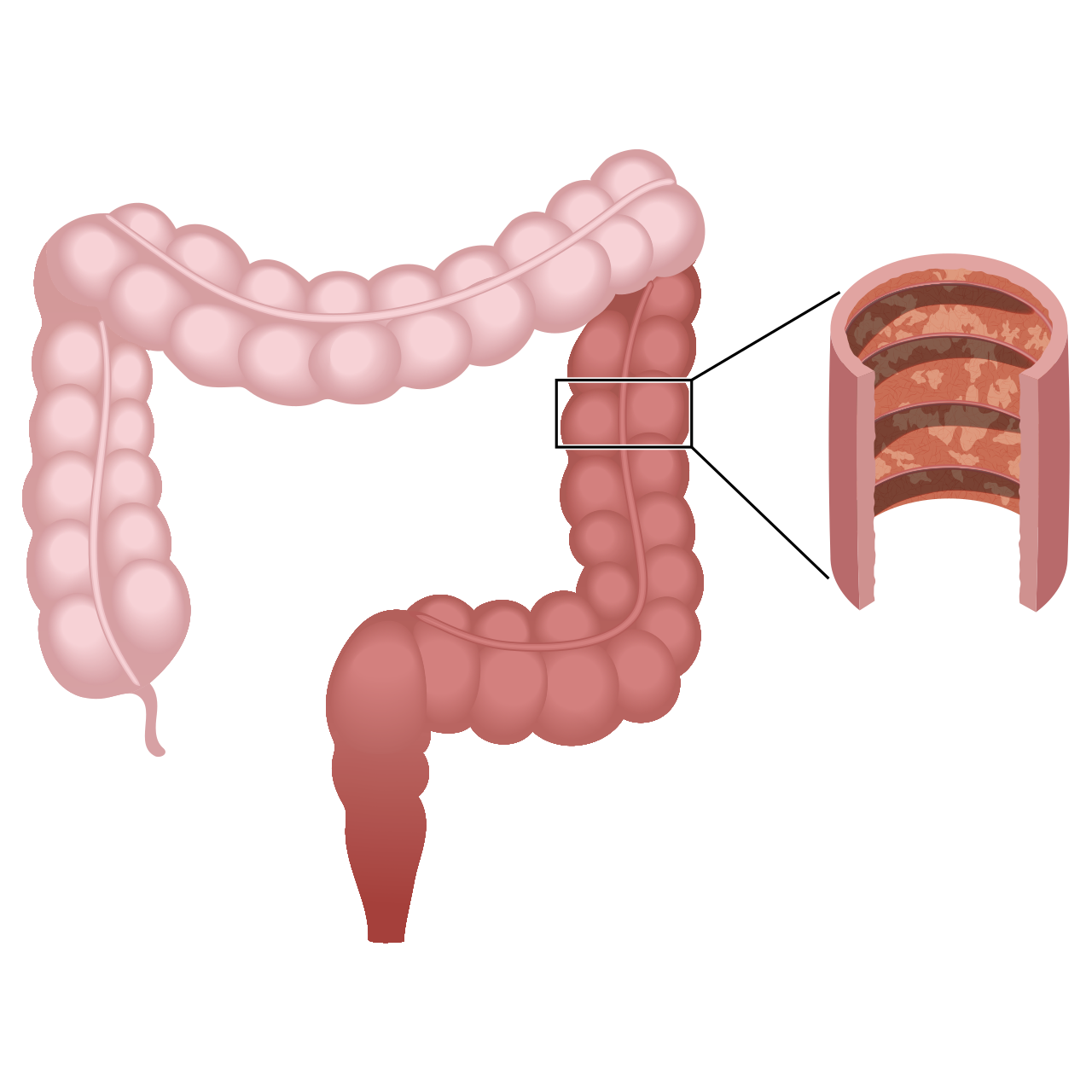
Colitis is swelling or inflammation of the large intestine (colon). It may be acute and self-limited or long-term, and broadly fits into the category of digestive diseases. The label colitis is used when the cause of inflammation is undetermined or when the context is clear, such as in ulcerative colitis.
Quick Facts
- Field
- Gastroenterology
Facts from the source article.
Lore & Background
Colitis encompasses a range of conditions characterized by inflammation of the colon. Symptoms vary widely, from mild abdominal tenderness and persistent diarrhea to severe manifestations like shortness of breath, fever, and irregular heartbeat. Diagnosis involves medical history, physical exam, laboratory tests, imaging, and colonoscopy with biopsy, which examines tissue for chronic colitis, disease activity, and epithelial damage.
Reader's Guide
Colitis is significant as a broad diagnostic category covering many subtypes, including autoimmune forms like ulcerative colitis and Crohn's disease, infectious types such as Clostridioides difficile colitis, and treatment-induced forms like radiation colitis. Its classification depends on cause, and indeterminate colitis shares features of both Crohn's and ulcerative colitis. Treatment includes steroids, dietary changes, and sometimes surgery. Probiotic research shows low-certainty evidence for improving remission in ulcerative colitis but not in Crohn's disease. Studies have explored links to dairy allergy and helminth colonization, with early trials of Trichuris suis ova showing promise but later phase 2 trials failing. Research also includes mesenchymal stem cell therapy and genetic biomarkers for colon cancer risk in colitis patients.
Did You Know?
- Microscopic colitis is diagnosed by microscopic examination and appears normal to the eye.
- Indeterminate colitis has features of both Crohn's disease and ulcerative colitis.
- Probiotic supplements may increase the likelihood of clinical remission in ulcerative colitis.
Clinical Presentation & Symptom Spectrum
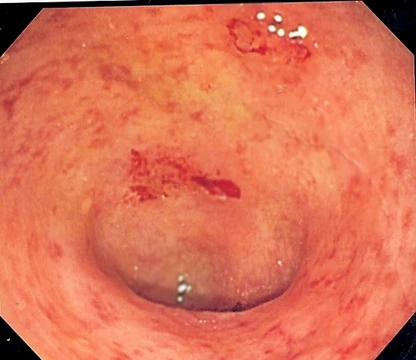
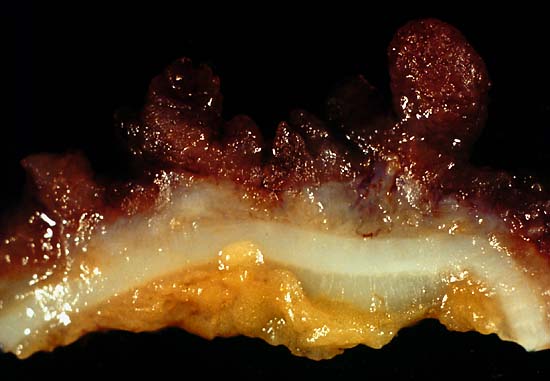
Colitis manifests as swelling or inflammation within the large intestine, and its clinical picture varies enormously depending on the underlying trigger and how the disease progresses. The condition can strike acutely and resolve on its own, or it can persist as a chronic, long-term struggle. Patients commonly report a range of gastrointestinal complaints: abdominal pain and tenderness that shift from mild to severe as the disease advances, persistent bloody diarrhea that may or may not carry visible pus, fecal incontinence, excessive flatulence, and a general sense of fatigue. Loss of appetite and unexplained weight loss frequently accompany these core symptoms. When the inflammation escalates, more alarming systemic signs emerge, including shortness of breath, a rapid or irregular heartbeat, and fever. A smaller subset of patients experiences seemingly unrelated manifestations such as joint arthritis, mouth ulcers, painful red and swollen patches of skin, or irritated, bloodshot eyes. During a colonoscopy, the physician will typically observe redness of the colon's inner lining, visible ulcerations, and active hemorrhage, all of which help confirm the diagnosis.
Diagnostic Workup & Tissue Analysis
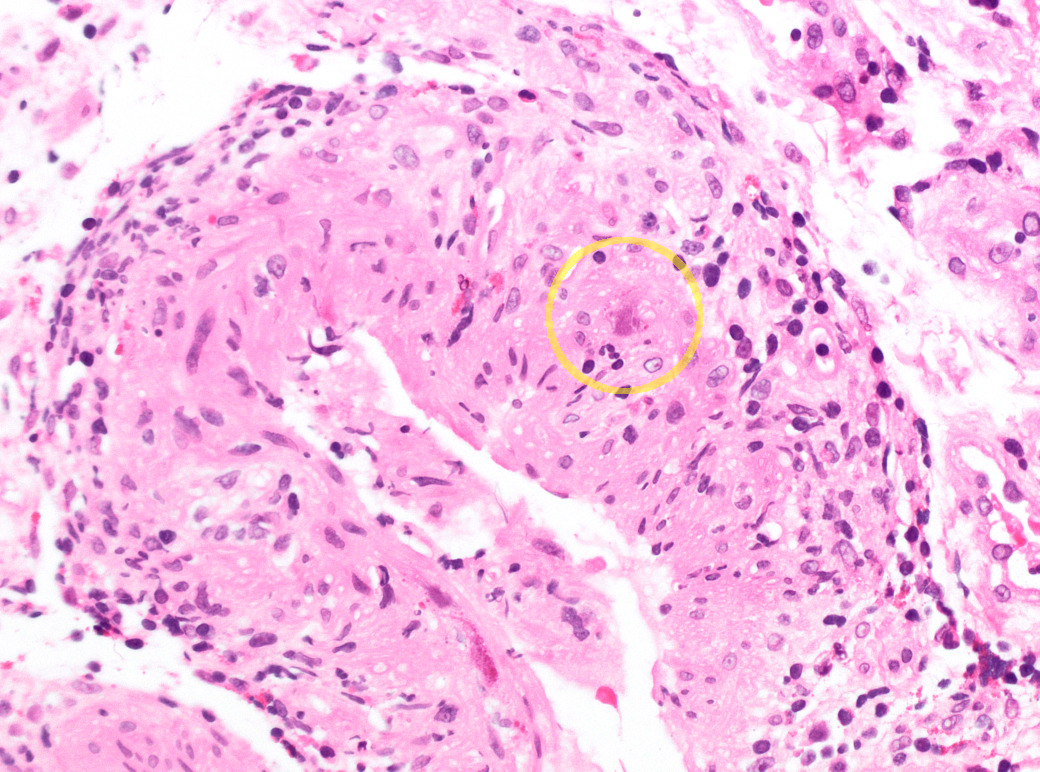
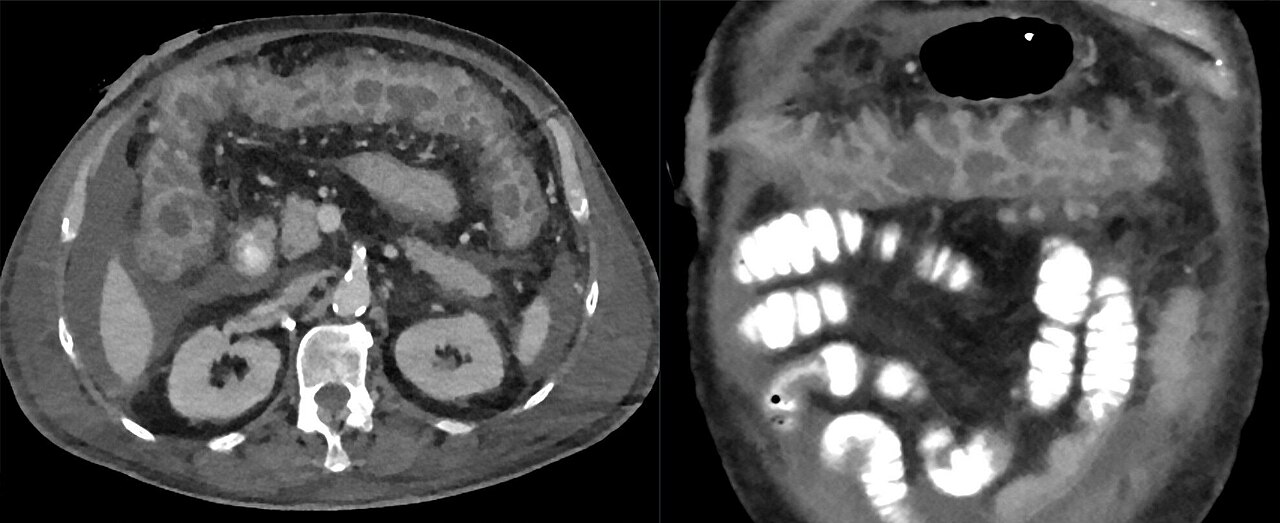
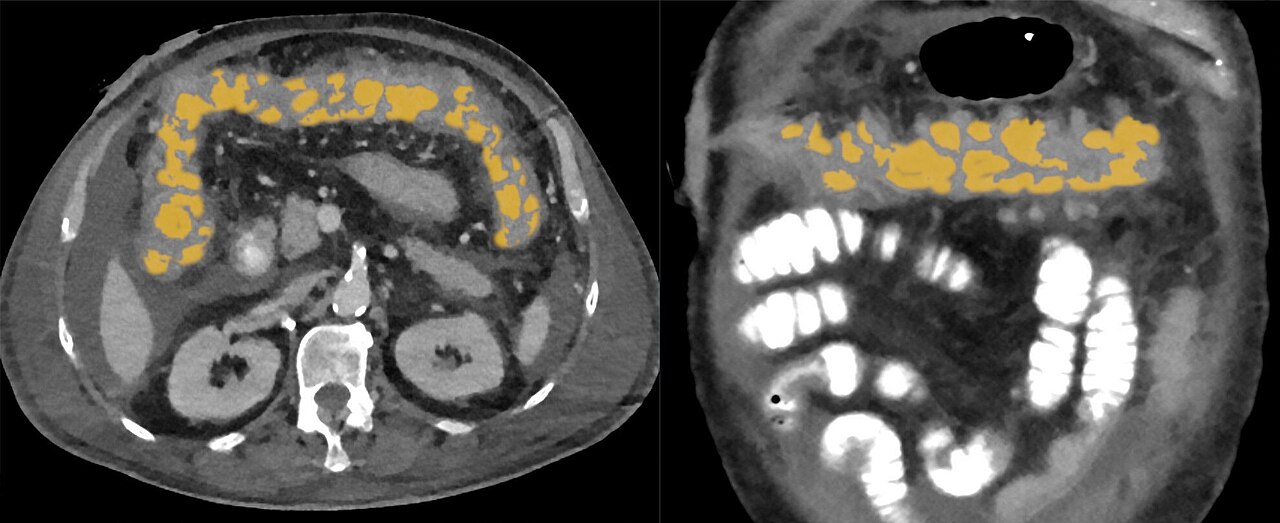
Working up a suspected case of colitis begins with a thorough medical history and physical examination, followed by a battery of laboratory tests including a complete blood count, electrolyte panels, stool cultures with sensitivity testing, and checks for ova and parasites. When the clinical picture demands further clarity, physicians turn to imaging tools such as abdominal computed tomography scans and X-rays. Endoscopic procedures—sigmoidoscopy or full colonoscopy—allow direct visualization of the bowel. The single most critical investigative step, however, is a biopsy for histopathological examination. During the endoscopy, the clinician removes a tiny tissue fragment, typically around two millimeters in size, from the bowel's mucosal surface. A histopathologist then examines the sample under a microscope. The resulting report does not usually deliver a final diagnosis; instead, it documents whether chronic colitis is present, gauges the level of disease activity, and notes any epithelial damage such as erosions or ulcerations. Findings characteristic of chronic colitis include basal plasmacytosis and mucin depletion, while active colitis presents its own distinct microscopic pattern.
Classification by Etiology
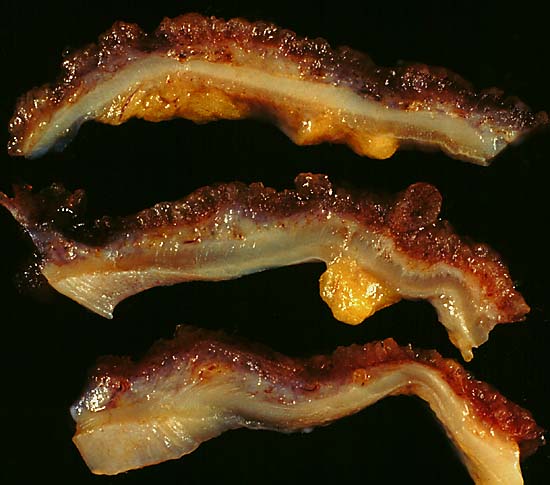
Because the underlying trigger dictates both clinical behavior and appropriate management, colitis is broadly categorized by its cause. Autoimmune colitides form one major group: inflammatory bowel disease encompasses ulcerative colitis, a chronic condition confined to the large intestine, and Crohn's disease, which frequently produces colitis as part of its broader pathology. A second category covers colitides of uncertain etiology, including microscopic colitis—where the colon looks entirely normal to the naked eye but reveals inflammation only under the microscope, with subtypes called lymphocytic and collagenous colitis. Treatment-related colitis is another distinct group, encompassing diversion colitis, chemical colitis, and inflammation triggered by chemotherapy, immunotherapy, radiation, or checkpoint inhibitors. Vascular compromise produces ischemic colitis, while infectious agents account for a wide range of cases, from Clostridioides difficile (the infamous C-diff that forms pseudomembranes) to Shiga toxin–producing bacteria and parasitic invasions by Entamoeba histolytica. Finally, indeterminate colitis is reserved for cases displaying overlapping features of both ulcerative colitis and Crohn's disease, though its behavior tends to track closer to ulcerative colitis.
Therapeutic Strategies & Frontiers of Research
Managing colitis draws on a layered toolkit. First-line approaches include corticosteroid medications and dietary modifications; in more severe or refractory cases, hospitalization and surgical intervention become necessary. Recent studies have highlighted a significant link between colitis and dairy allergy—specifically to cow milk, UHT cow milk, and casein—suggesting that an elimination diet may benefit a subset of patients. Probiotic supplementation has also been explored as a microbiome-modifying strategy. A 2020 Cochrane review found no clear evidence that probiotics improve remission in Crohn's disease, but for ulcerative colitis, low-certainty data showed a 73 percent increase in the probability of clinical remission and more than double the odds of symptom improvement compared with placebo. Combining probiotics with 5-aminosalicylic acid therapy raised remission likelihood by an additional 22 percent, though their role in preventing relapse remains uncertain. On the research frontier, one study demonstrated successful treatment of experimental colitis in mice using mesenchymal stem cells, while Huang and colleagues identified specific genes and biological markers correlated with colon cancer risk in colitis patients. Intriguingly, colitis is more prevalent in regions where helminthic infections are rare, and early trials of Trichuris suis ova have shown promise in modulating the autoimmune response.
Gallery
Frequently Asked Questions
Who is Colitis?
Colitis is the medical term for swelling or inflammation of the large intestine (colon). It can appear as a brief, self-resolving acute episode or linger as a long-term condition, and it sits squarely within the category of digestive diseases.
What are Colitis's powers/role?
When active, Colitis typically shows up through abdominal pain, hemorrhagic diarrhea, fatigue, and weight loss. Clinicians identify and confirm it using colonoscopy, tissue biopsy, stool tests, and medical imaging.
Why is Colitis important?
The label 'colitis' is applied when the specific cause of colon inflammation remains undetermined or when the clinical context makes the term self-evident, as in ulcerative colitis. It thus acts as a broad diagnostic umbrella tying together several distinct disease entities.
What are Colitis's major forms?
The principal subtypes include ulcerative colitis, Crohn's disease, microscopic colitis, and infectious colitis. Each carries a distinct pattern of symptoms and may respond differently to interventions ranging from steroids and diet changes to surgical removal of affected tissue.
More in Inflammatory diseases of the digestive system 1-22
Spotted an error? Know more?
Reader corrections go straight into our review queue. Suggest an edit · How this site is sourced