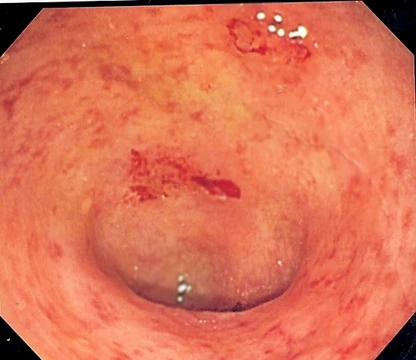
Ascending cholangitis
Life-threatening bile duct inflammation, usually from gallstone obstruction.

Alaa Najjar · CC BY-SA 3.0
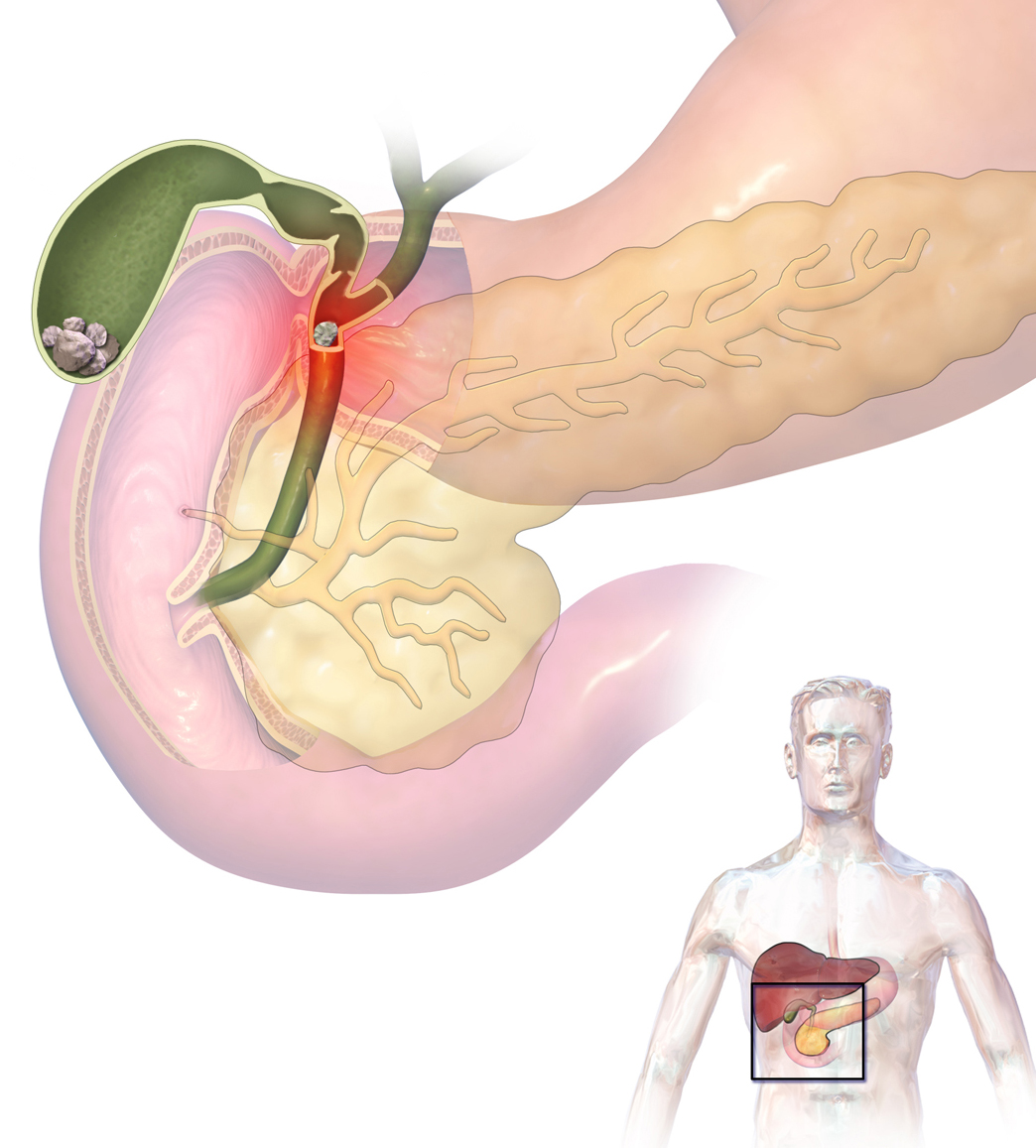
Ascending cholangitis, also called acute cholangitis or simply cholangitis, is an infection and inflammation of the bile duct. It typically happens when bacteria travel upward from the duodenum, the first section of the small intestine, into the bile duct. This infection is more likely when the duct is already partly blocked, most often by gallstones. Because it can quickly become life-threatening, it is considered a medical emergency.
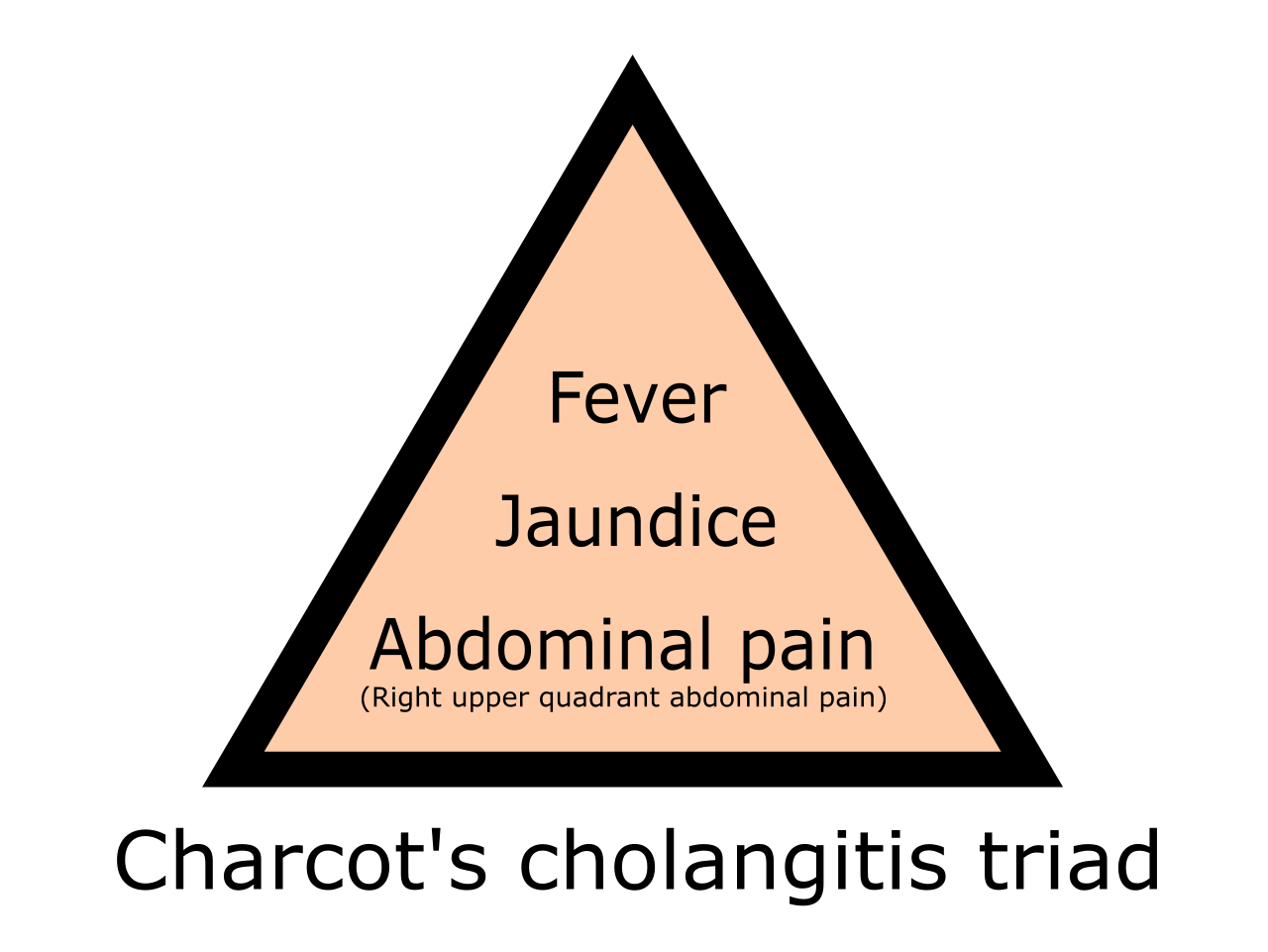
A person with this condition may experience pain in the upper right area of the abdomen, fever, uncontrollable shaking (rigors), and a general feeling of illness (malaise). Jaundice—a yellowing of the skin and the whites of the eyes—is also common. On physical examination, doctors often find jaundice and tenderness in the upper right abdomen. Three classic signs—abdominal pain, jaundice, and fever—are together known as Charcot's triad. This combination was once thought to occur in 50 to 70 percent of cases, but more recent reports put the frequency at 15 to 20 percent. A more severe set of symptoms, called Reynolds' pentad, includes the three signs of Charcot's triad plus septic shock and confusion. This indicates that the condition has worsened and sepsis has developed, though it is seen less often. In elderly people, the presentation can be atypical; they may collapse directly from sepsis without showing the usual early signs. Those who have a permanent stent in the bile duct may not develop jaundice.
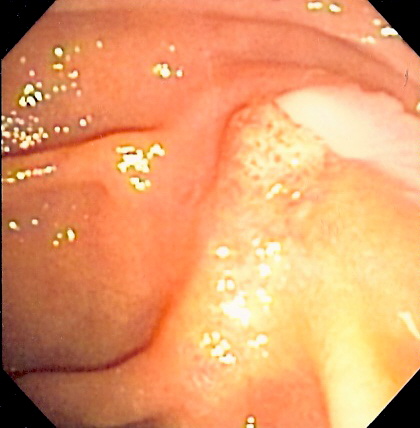
The underlying cause of acute cholangitis is usually a blockage in the bile duct, most often from gallstones. However, in 10 to 30 percent of cases, the obstruction is due to other factors. These include benign narrowing of the duct (stricture), damage from previous surgery, or narrowing at the site of a surgical connection (anastomosis). Various tumors can also cause blockage, such as cancers of the bile duct, gallbladder, ampulla of Vater, pancreas, or duodenum. Less common causes include parasites that infect the liver and bile ducts, such as the roundworm *Ascaris lumbricoides* and the liver flukes *Clonorchis sinensis*, *Opisthorchis viverrini*, and *Opisthorchis felineus*. In people with AIDS, a range of opportunistic organisms can lead to a condition called AIDS cholangiopathy, though this risk has dropped sharply with effective AIDS treatment.
Quick Facts
- Field
- Gastroenterology / General surgery
- Symptoms
- jaundice, fever and abdominal pain
Facts from the source article.
Lore & Background
Ascending cholangitis is characterized by inflammation of the bile duct, typically from bacteria ascending from the duodenum. It usually occurs when the bile duct is partially obstructed, most often by gallstones. Other causes include benign strictures, tumors, postoperative damage, and parasitic infections such as those from Ascaris lumbricoides or liver flukes. In people with AIDS, opportunistic organisms can cause AIDS cholangiopathy, though this risk has diminished with effective treatment.
Symptoms include abdominal pain (especially in the right upper quadrant), fever, rigors, malaise, and jaundice. Charcot's triad—abdominal pain, jaundice, and fever—was historically present in 50–70% of cases but more recently reported in 15–20%. Reynolds' pentad adds septic shock and mental confusion, indicating worsening sepsis. In the elderly, presentation may be atypical, with collapse due to sepsis without typical features.
Diagnosis involves blood tests showing inflammation and obstructive liver function tests, blood cultures, and imaging such as ultrasound or magnetic resonance cholangiopancreatography. The gold standard test is endoscopic retrograde cholangiopancreatography (ERCP), which can also treat obstruction. Initial treatment includes intravenous fluids and antibiotics, followed by endoscopy to relieve obstruction.
Reader's Guide
Ascending cholangitis is a medical emergency requiring prompt recognition and treatment. Its significance lies in its potential for rapid progression to sepsis and death if untreated. The condition highlights the interplay between mechanical obstruction and bacterial infection, with obstruction raising biliary pressure and allowing bacteria to enter the bloodstream. Understanding its pathogenesis—including the role of the sphincter of Oddi, bile flow, and immune defenses—has guided management. The shift from Charcot's triad to Reynolds' pentad as markers of severity reflects evolving clinical understanding. Treatment advances, particularly ERCP, have improved outcomes by enabling both diagnosis and therapeutic relief of obstruction. The condition also underscores the importance of prophylactic antibiotics during procedures like ERCP. Its varied causes, from gallstones to parasites to AIDS-related infections, demonstrate the breadth of conditions that can lead to biliary inflammation. The legacy of ascending cholangitis in medicine is as a model for how obstruction and infection combine to produce a life-threatening syndrome, and as a condition where timely intervention is critical.
Did You Know?
- The most common bacteria linked to ascending cholangitis are gram-negative bacilli: Escherichia coli (25–50%), Klebsiella (15–20%), and Enterobacter (5–10%).
- In the elderly, presentation may be atypical; they may directly collapse due to sepsis without first showing typical features.
Clinical Presentation and the Classic Diagnostic Triads
Cholangitis announces itself through a recognizable cluster of signs that clinicians have long relied upon. The hallmark presentation—abdominal pain concentrated in the right upper quadrant, fever with uncontrollable shaking, and jaundice manifesting as yellowing of the skin and sclera—was formalized as Charcot's triad. Historically, physicians expected to see all three findings together in roughly half to seventy percent of patients, yet more contemporary reports place that co-occurrence at only fifteen to twenty percent. When the picture deteriorates further, two additional features join the triad: septic shock and mental confusion. This expanded set, known as Reynolds' pentad, signals that the infection has progressed to full-blown sepsis and is encountered even less frequently. The condition does not always follow textbook patterns, however. Elderly patients may bypass the classic warning signs entirely and collapse directly from septic shock. Individuals who carry an indwelling biliary stent may never develop visible jaundice, complicating recognition. Beyond the triads, patients frequently report a general sense of malaise and uneasiness alongside the more dramatic symptoms.
Etiology and Predisposing Factors
The single most common trigger for acute cholangitis is a gallstone partially blocking the bile duct, creating the stagnant environment in which bacteria from the duodenum can ascend and multiply. Yet gallstones account for only the majority of cases; ten to thirty percent stem from other sources. These include benign strictures that narrow the duct without any tumor, postoperative scarring or altered anatomy at surgical anastomosis sites, and a range of malignancies—bile duct cancer, gallbladder cancer, ampullary cancer, pancreatic cancer, and duodenal cancer. In elderly patients and those with prior biliary surgery, anaerobic organisms such as Clostridium and Bacteroides play a notable role. Parasitic infections, including Ascaris lumbricoides and several liver flukes (Clonorchis sinensis, Opisthorchis viverrini, Opisthorchis felineus), can also seed the biliary tree. In the era before effective antiretroviral therapy, AIDS patients faced a spectrum of opportunistic organisms causing so-called AIDS cholangiopathy, a risk that has sharply declined since modern treatment became available. Medical procedures themselves, particularly ERCP, carry a risk of iatrogenic cholangitis, prompting recommendations for prophylactic antibiotics. A permanent biliary stent, while necessary to keep the duct patent against external tumor pressure, modestly elevates the chance of recurrent infection.
How Obstruction Unleashes Infection
Under normal conditions, the biliary tree resists bacterial colonization through several layered defenses. The sphincter of Oddi, a circular muscle ring at the junction of the ampulla of Vater and the duodenum, acts as a mechanical gate. Bile flows forward at a low pressure of eight to twelve centimeters of water, continuously flushing any stray organisms into the small intestine. Bile salts and immunoglobulins secreted by the duct epithelium add a chemical shield, while specialized macrophages called Kupffer cells patrol the system. Bacterial contamination alone, without obstruction, rarely tips this balance toward infection. The critical turning point arrives when a blockage drives intraductal pressure above twenty centimeters of water. That pressure widens the gaps between the cells lining the duct, allowing contaminated bile to leak into the bloodstream. Simultaneously, Kupffer cell function deteriorates and local production of protective IgA immunoglobulin drops. The result is bacteremia and a systemic inflammatory response—fever, rigors, tachycardia, rapid breathing, and elevated white blood cell count—which, in the context of confirmed infection, constitutes sepsis. The obstruction further impairs neutrophil function and distorts cytokine signaling, compounding the immune deficit. In ascending cholangitis, bacteria are thought to migrate retrograde up the duct as the sphincter's competence wanes, though theories involving portal vein entry or transmigration from the colon are considered less probable.
Emergency Management and the Role of Endoscopy
Because cholangitis can progress rapidly to sepsis and death, it is classified as a true medical emergency. The immediate therapeutic priority is resuscitation: intravenous fluids to support circulation and broad-spectrum antibiotics to combat the ascending bacterial infection. However, antibiotics and fluids alone rarely resolve the episode, because the underlying mechanical problem—most often a gallstone lodged in the common bile duct, or a stricture, tumor, or post-surgical narrowing—must be addressed. The standard definitive intervention is endoscopic retrograde cholangiopancreatography, during which the endoscopist can perform a sphincterotomy, extract an obstructing stone, or place a stent to restore bile flow. In patients who already carry a permanent biliary stent, for example one placed to relieve external compression from pancreatic cancer, the stent must sometimes be exchanged or supplemented. The urgency is underscored by the fact that once Reynolds' pentad appears—septic shock superimposed on the classic triad—the patient is in a life-threatening spiral demanding both pharmacologic and procedural intervention without delay. The condition's capacity to overwhelm the immune system, impair neutrophil function, and distort cytokine regulation means that even a partially obstructed duct can become a source of fatal systemic infection if the obstruction is not relieved promptly.
Gallery

Frequently Asked Questions
Who is Ascending cholangitis?
Ascending cholangitis is a medical condition in which the bile duct becomes infected and inflamed, most often after bacteria migrate upward from the duodenum. It is also referred to as acute cholangitis or simply cholangitis.
What are Ascending cholangitis's powers/role?
Its 'powers' include triggering upper-right abdominal pain, high fever, rigors, jaundice, and in severe cases dropping blood pressure and causing confusion. It acts as a rapid-onset emergency that can overwhelm the body if left untreated.
Why is Ascending cholangitis important?
It is classified as a true medical emergency because the infection can spread systemically within hours, making rapid diagnosis and treatment critical to survival. Its danger is compounded when the underlying obstruction—frequently a gallstone—is not relieved.
What's Ascending cholangitis's origin story?
The condition usually begins when a gallstone, benign stricture, tumor, or post-surgical change partially blocks the bile duct, creating a stagnant environment. Bacteria from the duodenum then ascend into the trapped bile, igniting the inflammatory cascade.
More in Inflammatory diseases of the digestive system 1-22
Spotted an error? Know more?
Reader corrections go straight into our review queue. Suggest an edit · How this site is sourced