Enteritis
Inflammation of the small intestine with varied causes and symptoms.

Fan J, Lin B, Fan M, Niu T, Gao F, Tan B, Du X. · CC BY 4.0
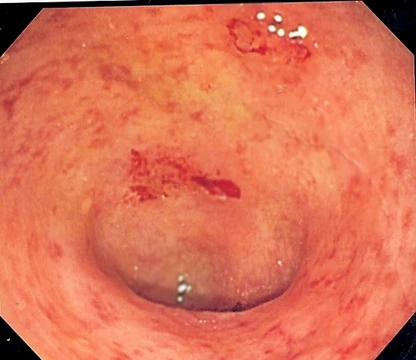
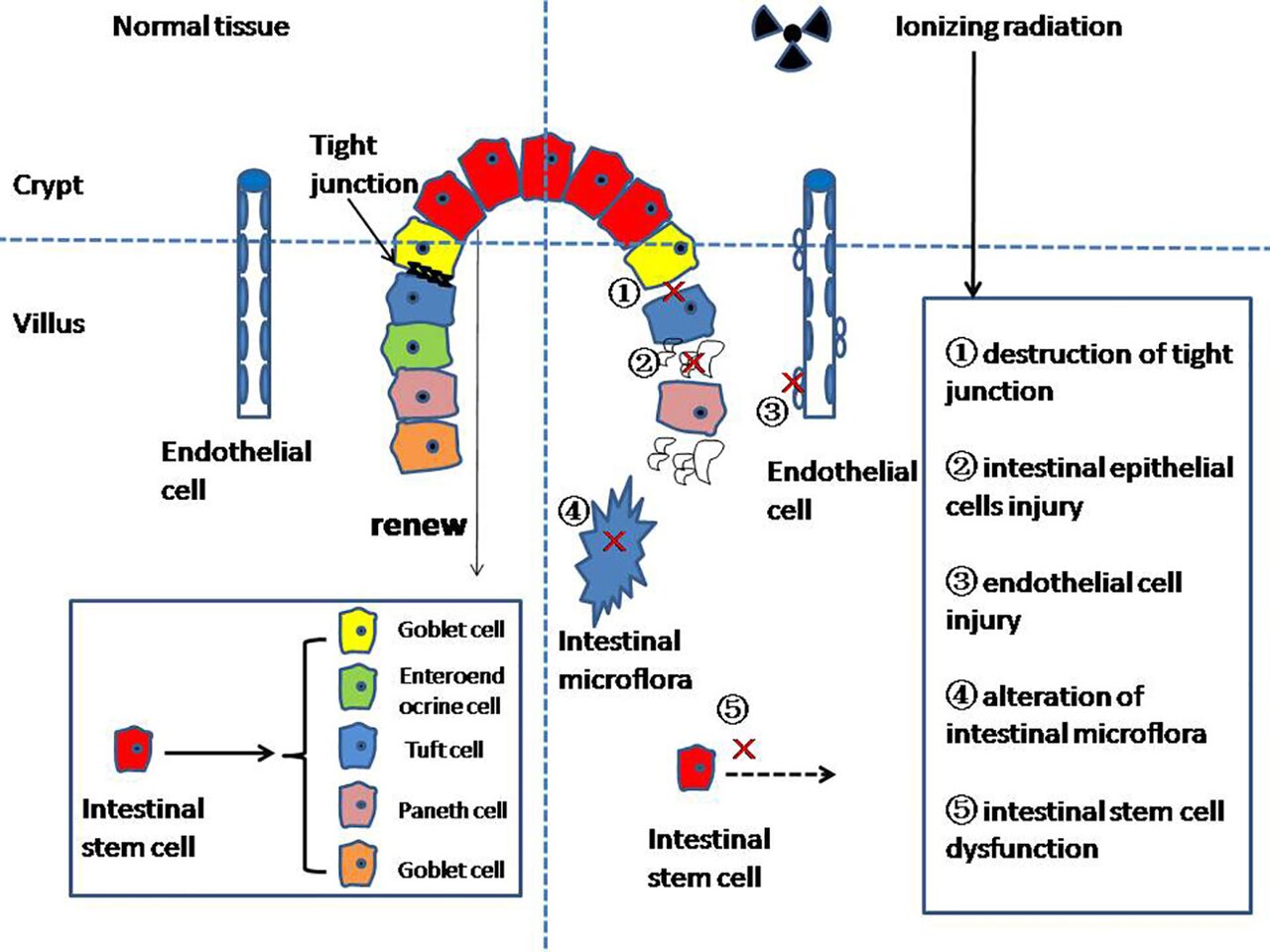
Enteritis is the medical term for inflammation of the small intestine. The most frequent trigger is consuming food or drink tainted with harmful microbes, including bacteria like *Campylobacter*, *Salmonella*, and *E. coli*. Other causes include nonsteroidal anti-inflammatory drugs (NSAIDs), radiation therapy, and autoimmune disorders such as coeliac disease. Common symptoms are abdominal pain, cramping, diarrhea, dehydration, and fever.
The condition has several subtypes based on location: duodenitis (duodenum), jejunitis (jejunum), and ileitis (ileum). When both the stomach and small intestine are inflamed, it is called gastroenteritis. Related conditions like gastritis, colitis, and enterocolitis involve inflammation of other parts of the gastrointestinal (GI) tract, such as the stomach or large intestine.
Symptoms vary widely depending on the cause, the individual, and the stage of the disease. Besides the core symptoms, people may experience nausea, vomiting, and weight loss.
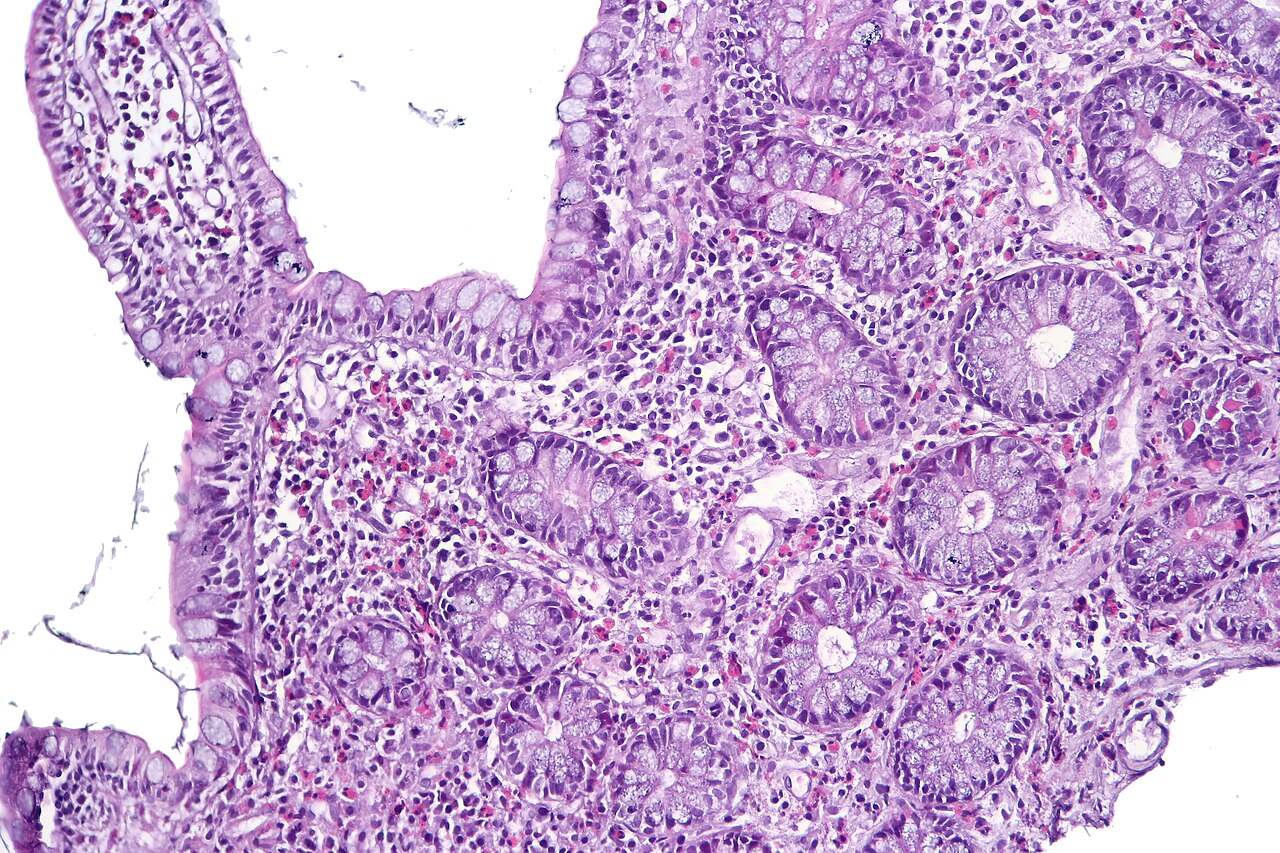
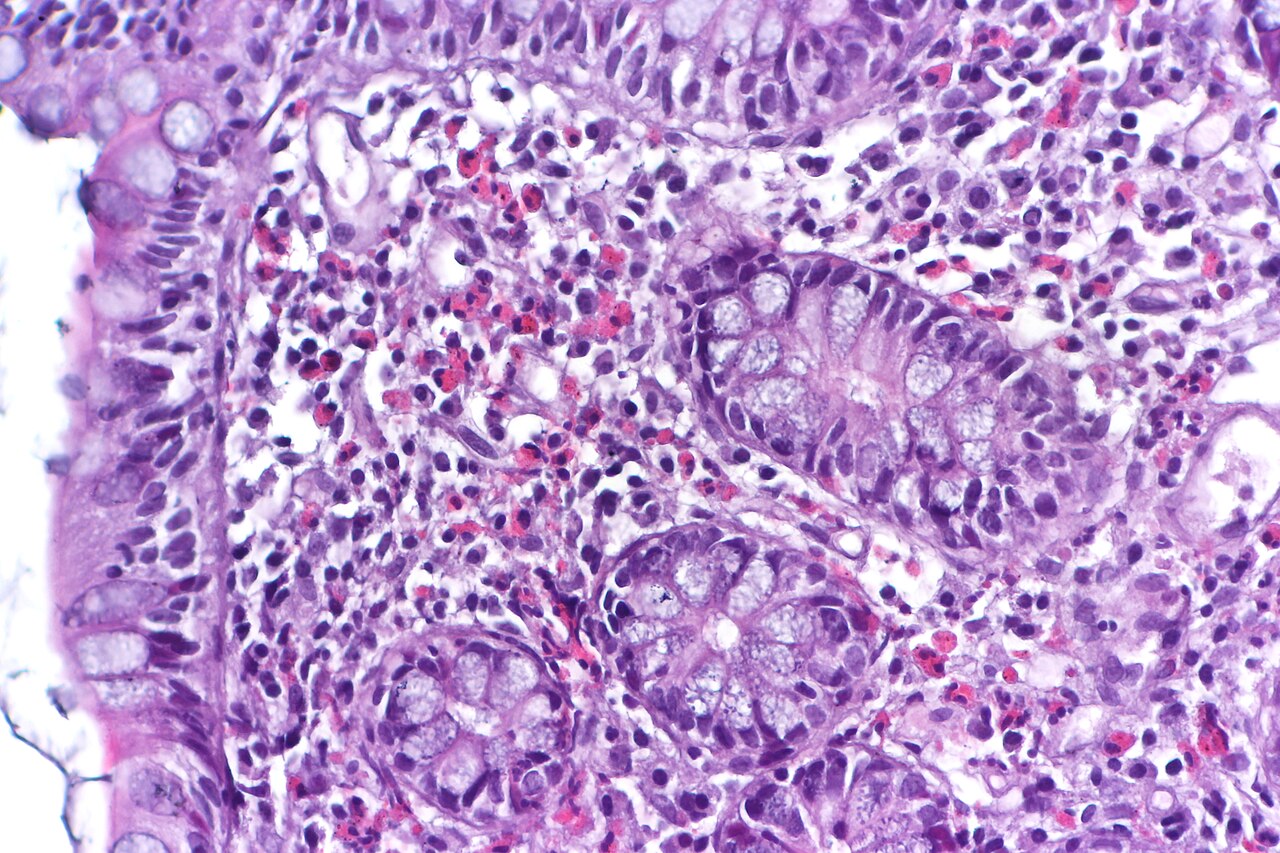
Causes fall into several categories. Immune-mediated causes include Crohn’s disease (also called regional enteritis), which can affect any part of the GI tract but most often involves the terminal ileum; in 40% of cases, it is limited to the small intestine. Autoimmune causes include coeliac disease, triggered by gluten in genetically predisposed people, and eosinophilic gastroenteritis, a rare condition where eosinophils accumulate in the gut, leading to inflammation, ulcers, and polyps, often in those with a history of atopy.
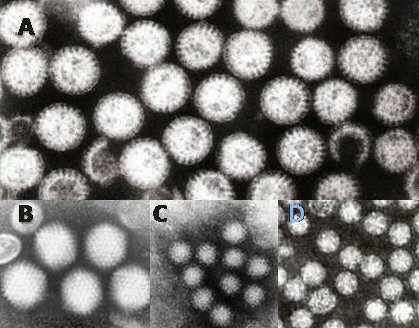
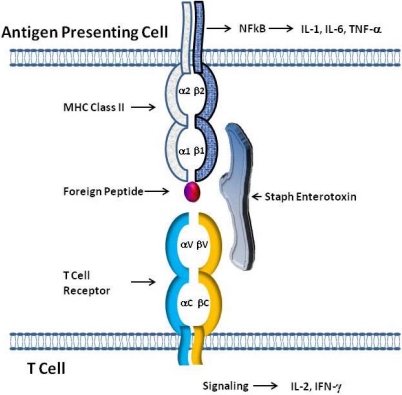
Infectious enteritis is common. In Germany, 90% of cases are caused by four pathogens: Norovirus, Rotavirus, *Campylobacter*, and *Salmonella*. Other bacterial culprits include *Shigella*, *E. coli*, *Bacillus cereus*, *Clostridium perfringens*, *Clostridioides difficile*, and *Staphylococcus aureus*. Viral causes include adenovirus, astrovirus, hantavirus, and calicivirus. *Campylobacter jejuni* is a leading bacterial cause, especially in children under two, often linked to contaminated poultry or milk. Rotavirus infects 140 million people annually and causes about 200,000–500,000 deaths, mostly in children under five, by targeting mature enterocytes in the small intestine, leading to malabsorption and diarrhea.
Quick Facts
- Field
- Internal medicine
- Symptoms
- Diarrhoea; fever; abdominal pain, abdominal bloating; nutrient deficiencies
- Complications
- Dehydration, headache, electrolyte imbalance; sepsis (infectious enteritis); tissue dysplasia, cancer; small intestine bacterial overgrowth, eating disorders
- Causes
- Infectious; autoimmune; ischemic; radiation; toxic; idiopathic; other
Facts from the source article.
Lore & Background
Enteritis is inflammation of the small intestine, often caused by contaminated food or drink containing pathogenic microbes such as *Campylobacter* or *Salmonella*. Other causes include NSAIDs, radiation therapy, and autoimmune conditions like coeliac disease. Symptoms vary widely and may include abdominal pain, cramping, diarrhea, dehydration, fever, nausea, vomiting, and weight loss.
Subtypes of enteritis are localized to specific parts of the small intestine: duodenitis, jejunitis, and ileitis. Inflammation of both the stomach and small intestine is referred to as gastroenteritis. Related diseases of the gastrointestinal system include gastritis, gastroenteritis, colitis, and enterocolitis.
Infectious enteritis is commonly caused by pathogens such as Norovirus, Rotavirus, Campylobacter, and Salmonella.
Reader's Guide
Enteritis is a significant medical condition due to its high prevalence and potential severity, particularly in children and in developing countries. Infectious enteritis, especially from Rotavirus, remains a leading cause of severe childhood diarrhea and death worldwide. The condition's broad range of causes—from infectious agents to autoimmune diseases and radiation therapy—requires careful differential diagnosis. Treatment varies from simple oral rehydration for mild cases to corticosteroids for autoimmune forms like Crohn's disease and eosinophilic gastroenteritis. Ischemic enteritis, though uncommon, can lead to fatal complications such as perforation and peritonitis. Understanding enteritis is crucial for public health measures, including sanitation and vaccination, as well as for clinical management of chronic gastrointestinal diseases.
Did You Know?
- Enteritis is most commonly caused by food or drink contaminated with pathogenic microbes such as Serratia.
- In Germany, 90% of infectious enteritis cases are caused by Norovirus, Rotavirus, Campylobacter, and Salmonella.
- Rotavirus infects 140 million people and causes 1 million deaths each year, mostly in children younger than five.
- Ischemic enteritis is uncommon because the small intestine is highly vascularised, allowing sufficient blood flow in most situations.
The Nature and Symptoms of the Disease
Crohn's disease is a form of inflammatory bowel disease that can strike any part of the gastrointestinal tract, though the colon and terminal ileum are the most frequently affected regions. Individuals typically endure a cycle of flare-ups and remission, with symptoms that can persist for years before a diagnosis is finally made. The hallmark complaints include persistent abdominal pain—often localized to the lower right side—along with diarrhea, fever, bloating, and unintended weight loss. In severe cases, a person may experience more than twenty bowel movements in a single day and be woken at night by the urgent need to defecate. The character of the stool varies depending on where inflammation is concentrated: ileitis tends to produce large volumes of watery output, while colitis yields smaller but more frequent passages. Beyond the gut, the disease can manifest as anemia, joint inflammation, eye inflammation, fatigue, and distinctive skin conditions such as pyoderma gangrenosum or erythema nodosum. Perianal complications, including fissures, fistulae, and abscesses, are also a notable feature. Males and females are affected roughly equally, and while onset most commonly occurs during adolescence and young adulthood, the condition can emerge at any point in life.
Causes, Genetics, and Risk Factors
The precise origin of Crohn's disease remains elusive, but current understanding points to a complex interplay of environmental exposures, immune dysregulation, and bacterial influences acting upon individuals who carry certain genetic vulnerabilities. Roughly half of a person's overall risk is attributed to heredity, with more than seventy distinct genes implicated in susceptibility. The immune system appears to mount a chronic inflammatory response against the gut, possibly directed at microbial antigens, yet the condition does not fit the classic definition of an autoimmune disorder because the body's own tissues are not the primary target. Some researchers suspect an underlying immunodeficiency may be at play. Among modifiable risk factors, tobacco use stands out prominently: smokers face roughly three times the likelihood of developing the disease compared to non-smokers. An episode of gastroenteritis is also frequently identified as a triggering event. Geographically, the condition affects approximately 3.2 out of every 1,000 people in Europe and North America, while remaining less prevalent in Asia and Africa. Historically concentrated in the developed world, incidence has been climbing in developing regions since the 1970s. Conditions such as irritable bowel syndrome and Behçet's disease can present with overlapping symptoms, complicating the diagnostic picture.
Treatment, Complications, and Long-Term Outlook
No cure currently exists for Crohn's disease, so all therapeutic strategies aim to ease symptoms, sustain remission, and ward off relapse. For a newly diagnosed patient, a short course of corticosteroids may be prescribed to bring rapid relief, often paired with a maintenance agent such as methotrexate or a thiopurine to reduce the chance of recurrence. Quitting smoking is strongly advised for everyone living with the condition. Despite these measures, the disease carries a significant burden: one in five patients is hospitalized in any given year, and approximately half will need surgical intervention within a decade. Operations are generally kept to the smallest extent possible but become unavoidable when dealing with abscesses, persistent bowel obstructions caused by chronic scarring, or the development of cancer. Because those with Crohn's face a markedly elevated risk of both colorectal and small-bowel malignancy, surveillance colonoscopy is recommended every one to three years, beginning eight years after the initial diagnosis. In 2015, inflammatory bowel diseases collectively accounted for 47,400 deaths worldwide, and individuals with Crohn's experience a modestly shortened life expectancy compared to the general population.
Origins of the Name and Historical Controversy
The condition bears the name of gastroenterologist Burrill Bernard Crohn, who in 1932, working alongside Leon Ginzburg and Gordon D. Oppenheimer at Mount Sinai Hospital in New York City, published a description of a series of patients exhibiting inflammation of the terminal ileum—the segment of the small intestine most commonly involved in this illness. The decision to attach Crohn's name to the disease has never been without dispute. The clinical entity had in fact been documented more than once before the 1932 paper, and the question of who truly first recognized and characterized the condition has generated lasting debate. In his own memoir, Crohn recounted the details of his initial investigation into the cases. However, Ginzburg later presented compelling evidence suggesting that he and Oppenheimer had been the first to systematically study the disease, casting doubt on the primacy of Crohn's contribution. The controversy over naming persists as a reminder that the history of medical discovery is rarely as straightforward as a single eponym might suggest, and that the contributions of multiple researchers can become obscured behind one name.
Gallery
Frequently Asked Questions
Who is Enteritis?
Enteritis is the clinical name for inflammation of the small intestine, a condition that sits squarely within the field of gastroenterology. It most often strikes after a person ingests food or drink contaminated with pathogenic microbes.
What are Enteritis's powers/role?
Enteritis 'attacks' by producing abdominal cramping, watery diarrhea, fever, and dehydration in the affected individual. Its scope is divided into three subtypes—duodenitis, jejunitis, and ileitis—depending on which segment of the small intestine is inflamed.
Why is Enteritis important?
Enteritis matters clinically because untreated dehydration and electrolyte loss can become genuinely dangerous, and it can also signal deeper issues such as coeliac disease or NSAID-induced gut injury. Recognizing it early helps clinicians distinguish a simple infectious episode from a chronic autoimmune or drug-related process.
What's Enteritis's origin/backstory?
The most common 'inciting incident' is consuming food or drink tainted with bacteria like Campylobacter, Salmonella, or E. coli. Other origins include prolonged NSAID use, radiation therapy, and autoimmune conditions that cause the body to attack its own intestinal tissue.
More in Inflammatory diseases of the digestive system 1-22
Spotted an error? Know more?
Reader corrections go straight into our review queue. Suggest an edit · How this site is sourced