Acute pancreatitis
Sudden pancreatic inflammation with varied causes and treatments.

https://www.scientificanimations.com · CC BY-SA 4.0
Acute pancreatitis (AP) is a sudden inflammation of the pancreas. It is a significant medical condition with causes including gallstones, heavy alcohol use, systemic disease, trauma, elevated calcium levels, hypertriglyceridemia, certain medications, hereditary factors, and, in children, mumps. The condition may be a single event, recurrent, or progress to chronic pancreatitis and pancreatic failure.
Quick Facts
- Field
- Gastroenterology, general surgery
Facts from the source article.
Lore & Background
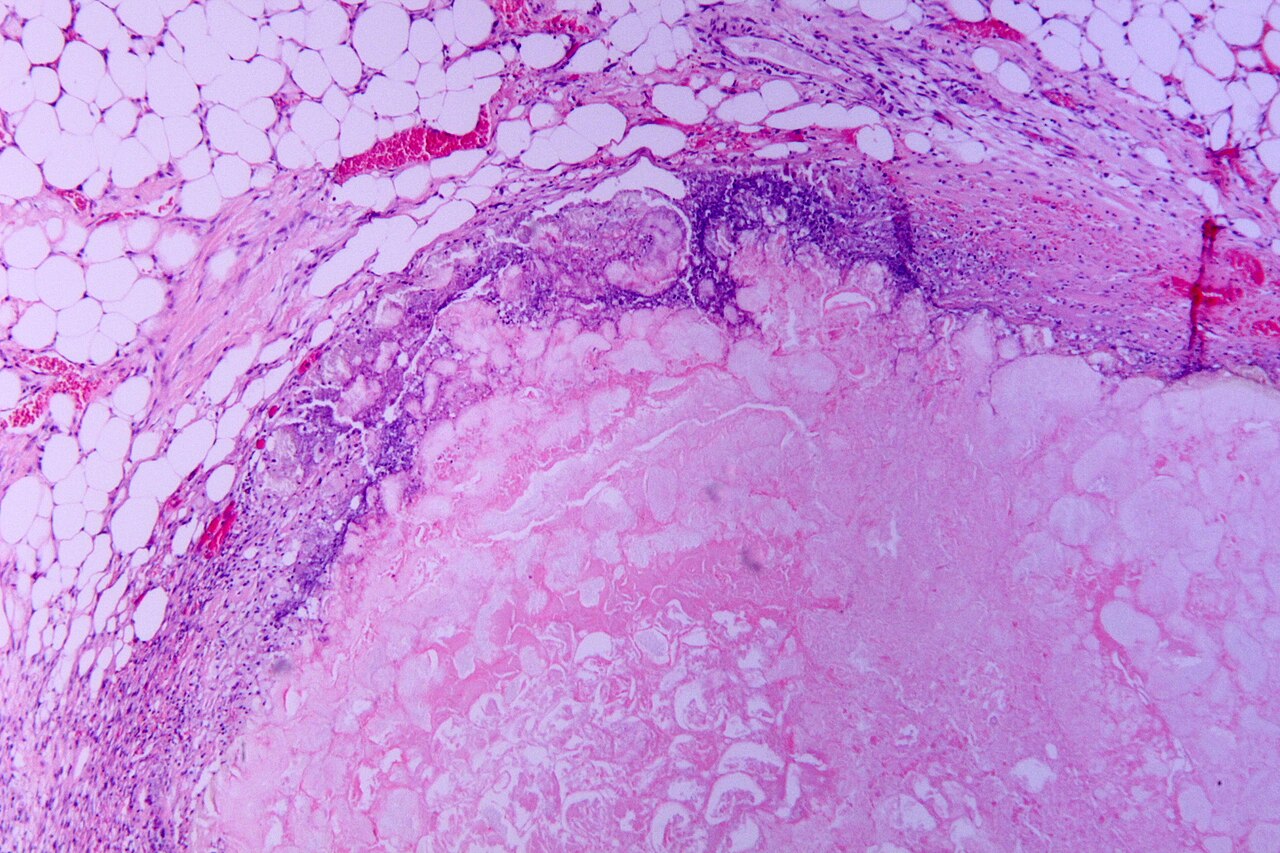
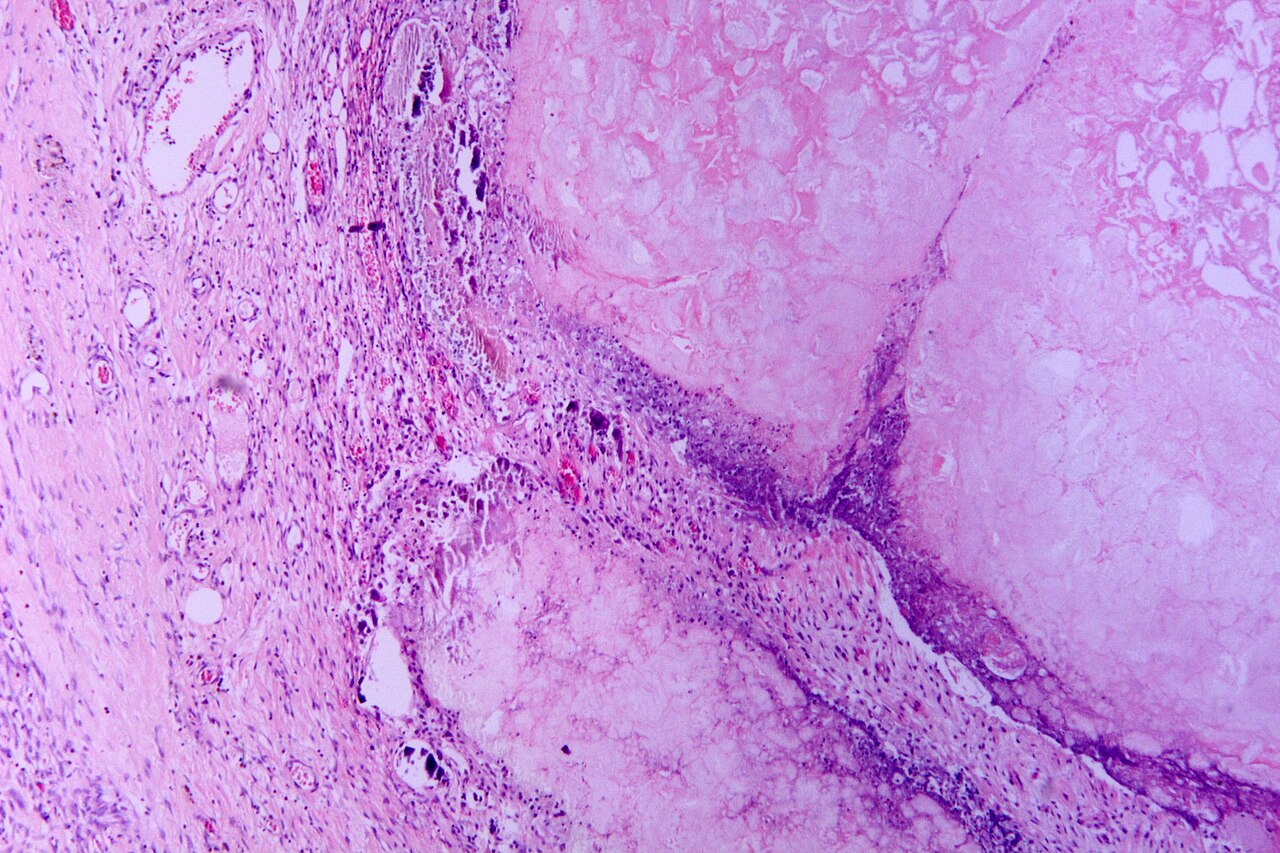
Acute pancreatitis occurs when digestive enzymes are abnormally activated within the pancreas, leading to auto-digestion. The condition is characterized by inflammation, edema, vascular injury, and cellular death. Mild cases involve inflammation and edema, while severe cases involve necrosis and can damage nearby organs. The inflammatory response includes recruitment of neutrophils and release of mediators like TNF-alpha and IL-1.
Reader's Guide
Acute pancreatitis is a common and potentially serious condition. Its significance lies in its varied etiology, including biliary and alcoholic causes, and its potential for severe complications such as necrotic pancreatitis, pseudocysts, and systemic issues like ARDS and multiple organ dysfunction. Treatment emphasizes early intravenous fluids and enteral nutrition, which are associated with lower mortality. Long-term complications include type 3c diabetes and exocrine pancreatic insufficiency. The condition's pathophysiology involves inappropriate activation of trypsinogen within the pancreas, leading to a cascade of inflammation and tissue damage. Understanding these mechanisms is crucial for developing targeted therapies and improving patient outcomes.
Did You Know?
- Grey-Turner's sign and Cullen's sign are rare, occurring in less than 1% of acute pancreatitis cases.
- Severe acute pancreatitis has a mortality rate of 20%.
- Hypertriglyceridemia causing pancreatitis usually involves triglycerides over 1000 mg/dL.
- Pleural effusions occur in up to 34% of people with acute pancreatitis and indicate a poor prognosis.
The Auto-Digestion Mechanism
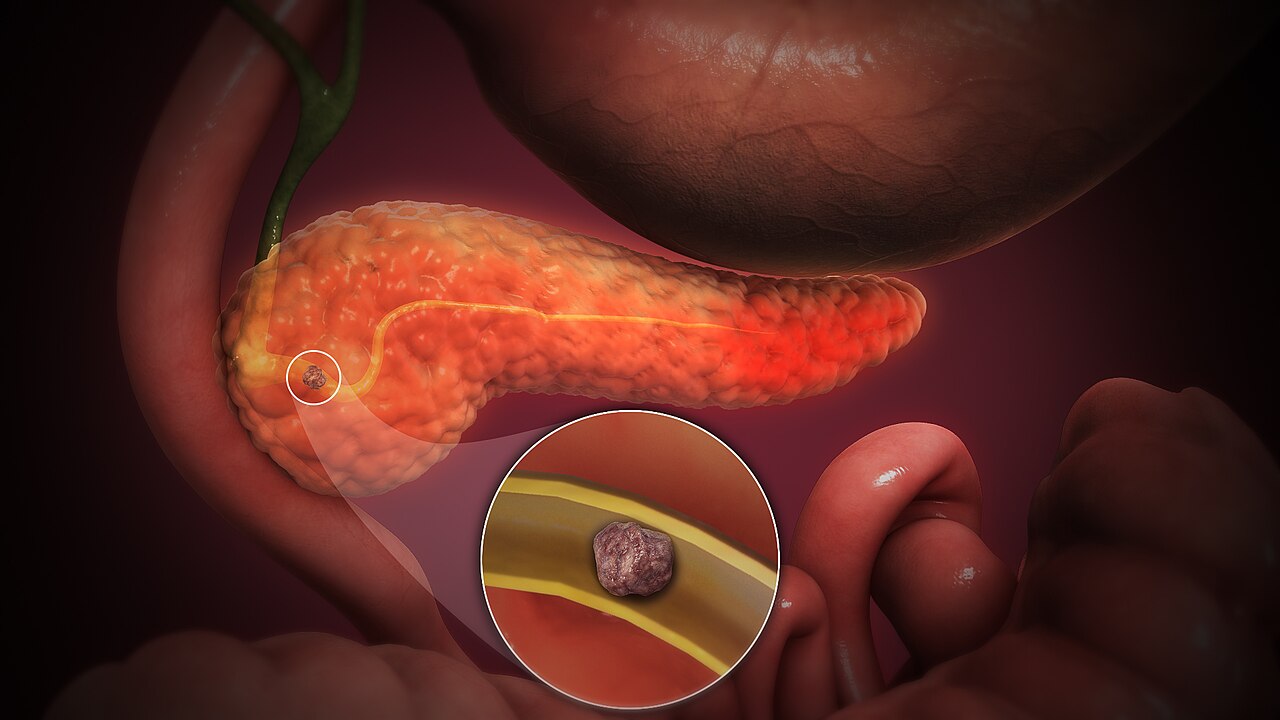
Acute pancreatitis is, at its core, a condition of self-destruction. Under normal physiological conditions, the pancreas manufactures digestive enzymes but stores them in an inert, inactive form known as zymogens or proenzymes. In acute pancreatitis, this safeguard breaks down: the precursors are prematurely activated while still inside the gland. Once active, enzymes such as trypsin, chymotrypsin, and carboxypeptidase begin to digest the very pancreatic tissue that produced them. Calcium is a key player in this destructive cascade because it catalyzes the conversion of trypsinogen into its active form, trypsin. This is precisely why elevated calcium levels, no matter their origin, represent a recognized trigger for the disease. The resulting auto-digestion can erode the pancreatic ducts and, when inflammation escalates, drive the tissue toward outright necrosis. In the most severe presentations, the inflammatory damage spills beyond the pancreas to compromise other organs, a threshold that defines severe pancreatitis and carries a mortality rate of roughly one in five.
Etiology: The Many Roads to Inflammation
The triggers for acute pancreatitis are remarkably diverse. Biliary disease—specifically a gallstone lodging in the common bile duct or the ampulla of Vater—accounts for roughly 40% of cases, making it the single most common cause. Heavy alcohol use follows at about 30%. In 15 to 25% of cases, no identifiable cause is ever found, a category termed idiopathic. Beyond these leading causes, a long list of contributors exists: hereditary pancreatitis, hypercalcemia, severe hypertriglyceridemia with triglycerides exceeding 1000 mg/dL, certain medications ranging from amiodarone to valproic acid, viral infections including mumps and cytomegalovirus, abdominal trauma, pancreatic cancer, and structural anomalies such as pancreas divisum. Medical procedures carry their own risk; ERCP carries a 5-to-10% chance of triggering the condition, while endoscopic ultrasound is lower at under 1%. In children, mumps is a recognized trigger. Even scorpion venom, the Chinese liver fluke, and ischemia following bypass surgery have been implicated, underscoring just how many pathways can converge on the same inflammatory endpoint.
Clinical Presentation and Diagnostic Clues
The hallmark of acute pancreatitis is abdominal pain, typically localized to the left upper quadrant, the epigastric region, or the area surrounding the navel. The pain often radiates across the abdomen or into the chest and back. In its early stages it may worsen with eating or drinking, but as the condition progresses it can become constant. Nausea, vomiting, and a low-to-moderate fever frequently accompany the pain, though not all symptoms need be present—epigastric pain alone may be the sole manifestation. Less common complaints include hiccups, bloating, and indigestion. Two dramatic but exceedingly rare physical findings, Grey-Turner's sign (bluish discoloration of the flanks) and Cullen's sign (discoloration around the umbilicus), signal hemorrhagic severity yet appear in fewer than 1% of cases and lack both sensitivity and specificity for diagnosis. Pleural effusions, present in up to a third of patients, carry a notably poor prognostic weight. The Mayo-Robson sign, elicited by pressing at the left costovertebral angle, is another associated finding.
Treatment and Long-Term Consequences
Management of acute pancreatitis hinges on early and aggressive supportive care. In every case, prompt intravenous fluid resuscitation combined with early enteral nutrition—delivered by mouth or, when oral intake is not tolerated, via nasogastric or nasojejunal tubes—is associated with reduced mortality and fewer complications. Mild episodes typically respond to hospitalization, IV fluids, pain control, and that early feeding. Severe pancreatitis, defined by the presence of organ damage beyond the pancreas itself, carries a 20% mortality rate and often demands intensive care unit admission. The long-term aftermath can be devastating. Structural damage to the pancreas may render it unable to produce sufficient insulin, resulting in type 3c pancreatogenic diabetes. Approximately 35% of affected individuals develop exocrine pancreatic insufficiency, in which the gland can no longer secrete adequate digestive enzymes, leading to malabsorption. Recurrent episodes, tobacco use, pancreatic necrosis, and alcohol-related attacks all elevate the risk of progression to chronic pancreatitis and, ultimately, pancreatic failure.
Gallery
Frequently Asked Questions
Who is Acute pancreatitis?
Acute pancreatitis is a sudden, self-triggered inflammation of the pancreas that strikes without prior warning. It belongs to the medicine field and is recognized for its rapid onset and capacity to escalate into life-threatening complications.
What are Acute pancreatitis's powers/role?
Its primary 'power' is causing abrupt pancreatic swelling and uncontrolled enzyme release that can damage neighboring organs and systems. In its severe form it carries roughly a 20% mortality rate, making it one of the most dangerous acute abdominal conditions a patient can face.
What caused Acute pancreatitis to appear?
The most frequent triggers are gallstones (about 40% of cases) and heavy alcohol use (around 30%), while elevated triglycerides, certain medications, trauma, hereditary factors, and in children, mumps, can also set it off. In a notable 15–25% of episodes, no identifiable cause is ever found.
Why is Acute pancreatitis important?
It is a leading cause of urgent hospitalization for abdominal pain and a major source of morbidity and mortality worldwide. Its wide range of etiologies and unpredictable severity make it a cornerstone topic in emergency medicine and gastroenterology.
More in Inflammatory diseases of the digestive system 1-22
Spotted an error? Know more?
Reader corrections go straight into our review queue. Suggest an edit · How this site is sourced