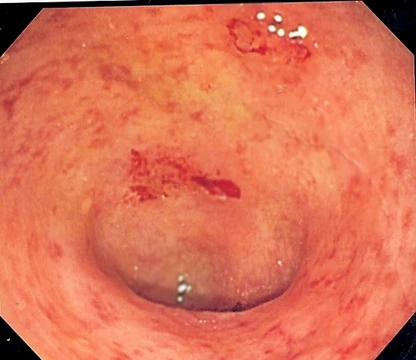
Appendicitis
Inflammation of the appendix, a common surgical emergency.

CoRus13 · CC BY-SA 4.0
Appendicitis is inflammation of the appendix, a common cause of sudden abdominal pain. It is one of the most frequent reasons for emergency abdominal surgery worldwide, with over 300,000 appendectomies performed annually in the United States alone.
Quick Facts
- Field
- General surgery, emergency medicine
- Symptoms
- Periumbilical or right lower abdominal pain, vomiting, nausea, decreased appetite, high fever
- Complications
- Abdominal inflammation, sepsis, Gastrointestinal bleeding, gastrointestinal abscess
- Diagnosis
- Based on symptoms, medical imaging, blood tests
- Differential
- Mesenteric adenitis, cholecystitis, psoas abscess, abdominal aortic aneurysm
- Treatment
- Surgical removal of the appendix, antibiotics
- Frequency
- 11.6 million (2015)
- Deaths
- 50,100 (2015)
Facts from the source article.
Lore & Background
Appendicitis is primarily caused by a blockage of the hollow portion of the appendix, most often by a faecolith—a calcified stone made of feces. Other causes include inflamed lymphoid tissue from viral infection, intestinal parasites, gallstones, or tumors. When blocked, the appendix experiences increased pressure, reduced blood flow, and bacterial growth, leading to inflammation, tissue injury, and potentially tissue death. If untreated, the appendix may rupture, releasing bacteria into the abdominal cavity and causing severe complications such as peritonitis and sepsis.
Symptoms commonly include right lower abdominal pain, nausea, vomiting, fever, and decreased appetite, though approximately 40% of people do not have these typical symptoms. The classic presentation involves pain that begins around the navel and migrates to the right lower quadrant. Diagnosis is largely based on signs and symptoms; when unclear, imaging such as ultrasound or CT scan is used. CT scan is more accurate than ultrasound, but ultrasound may be preferred in children and pregnant women due to radiation risks.
Standard treatment is surgical removal of the inflamed appendix, either through open laparotomy or minimally invasive laparoscopy. Antibiotics may be equally effective in some non-ruptured cases, but 31% of those treated with antibiotics undergo appendectomy within one year. In 2015, approximately 11.6 million cases were reported worldwide, resulting in around 50,100 deaths.
Reader's Guide
Appendicitis remains a significant global health concern due to its high incidence and potential for serious complications if untreated. Its importance lies in being one of the most common causes of acute abdominal pain requiring surgical intervention. The condition illustrates the critical role of timely diagnosis and treatment: while typical symptoms are well-described, the fact that 40% of patients present atypically underscores the need for clinical vigilance and appropriate use of imaging. The shift toward laparoscopic surgery has reduced recovery times, and the emerging role of antibiotics in select non-ruptured cases offers an alternative to surgery, though with a notable recurrence rate. Epidemiological data from 2015—11.6 million cases and 50,100 deaths—highlight its ongoing burden. The association between low dietary fiber intake and appendicitis in certain populations suggests preventive dietary considerations. Overall, appendicitis serves as a model for acute inflammatory conditions where prompt intervention can prevent life-threatening outcomes.
Did You Know?
- Approximately 40% of people with appendicitis do not have typical symptoms like right lower abdominal pain.
- The most common cause of appendicitis is a blockage by a faecolith, a calcified stone made of feces.
- In 2015, about 11.6 million cases of appendicitis were reported worldwide, resulting in around 50,100 deaths.
- Antibiotics may be effective in some non-ruptured cases, but 31% of those treated undergo appendectomy within one year.
Gallery



Frequently Asked Questions
Who is Appendicitis?
Appendicitis is a medical condition in which the appendix becomes inflamed, triggering a sudden and often severe episode of abdominal pain. It sits within the field of medicine and is widely recognized as one of the most common surgical emergencies a person can face.
What are Appendicitis's powers/role?
Its primary 'ability' is to produce intense pain localized in the right lower quadrant of the abdomen, forcing the body into a state that demands urgent intervention. In practice, this role makes it a leading trigger for emergency abdominal surgery around the globe.
Why is Appendicitis important?
Its scale is hard to ignore: roughly 11.6 million people experienced it worldwide in 2015, and it claimed about 50,100 lives that same year. Because it can escalate quickly, it remains a critical topic in emergency and surgical medicine.
Where does Appendicitis typically show up?
Fans of the canon will note that its signature 'location' is the right lower side of the abdomen, where the appendix resides. This consistent staging area is what helps clinicians distinguish it from other sources of belly pain.
More in Inflammatory diseases of the digestive system 1-22
Spotted an error? Know more?
Reader corrections go straight into our review queue. Suggest an edit · How this site is sourced