Gujarat
Western Indian state with longest mainland coastline and Indus Valley sites.

Nileshbandhiya · CC BY-SA 3.0
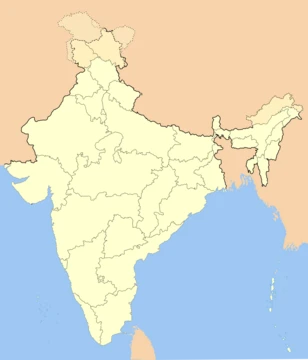
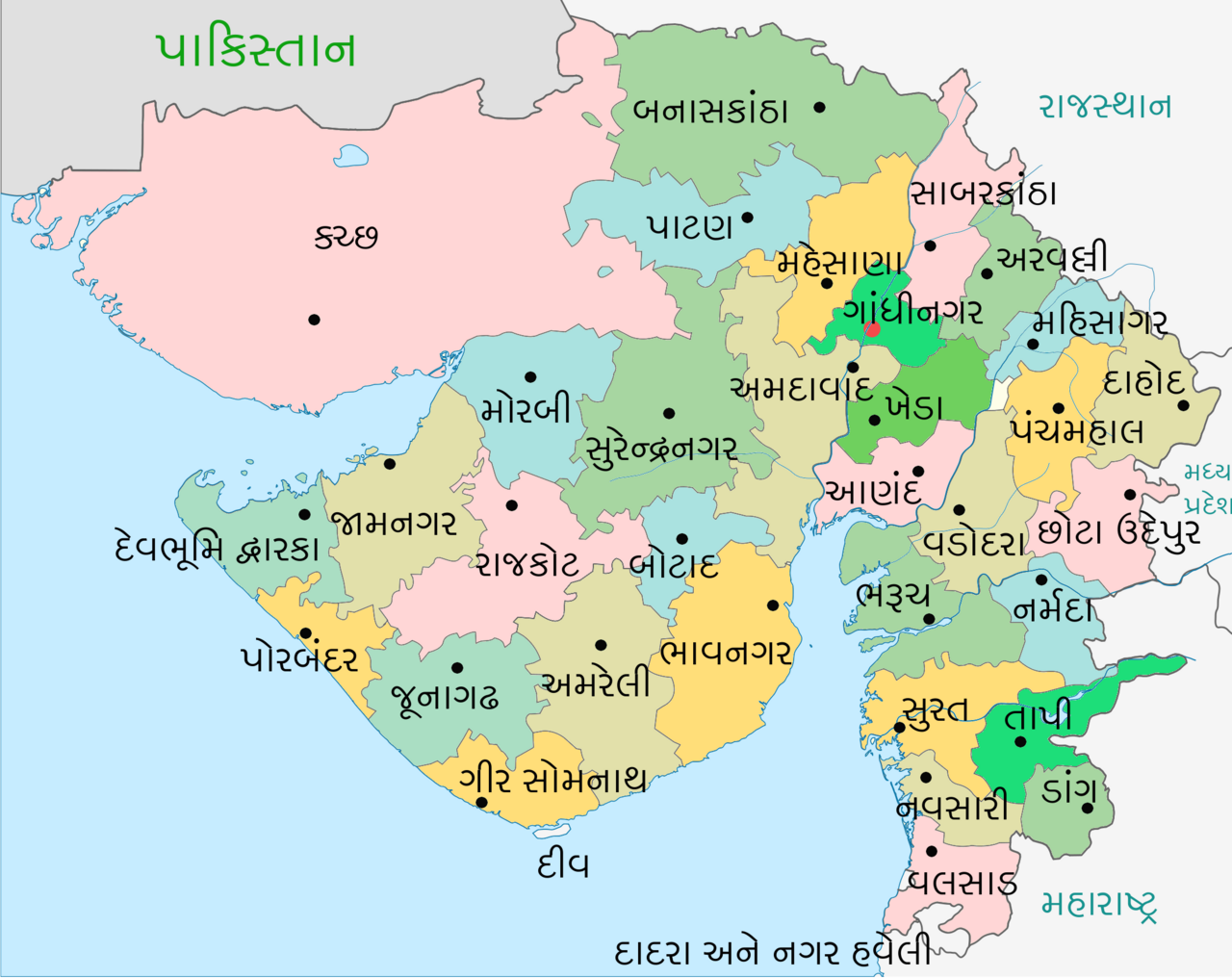
Gujarat is a state along the western coast of India, with the longest mainland coastline in the country (approximately 1,600 km), most of which lies on the Kathiawar peninsula. It is the fifth-largest Indian state by area and the ninth-most populous, with a population of 60.4 million in 2011. Gujarat is significant for encompassing 23 sites of the ancient Indus Valley Civilisation, more than any other state, including Lothal, believed to be one of the world's first seaports, and Dholavira, one of the largest archaeological sites of that civilisation. The state is also home to the only wild population of the Asiatic lion in the world, located in Gir National Park.
Quick Facts
- Official Name
- State of Gujarat
- Seal Size
- 100
- Etymology
- "Land of the Gurjars"
- Nickname
- "Jewel of Western India"
- Motto
- Satyameva Jayate (Sanskrit) / "Truth alone triumphs"
- Anthem
- Jai Jai Garavi Gujarat (Gujarati) / "Victory to Proud Gujarat"
- Region
- West India
- Before Was
- Bombay State
- Capital
- Gandhinagar
- Largestcity
- Ahmedabad
- Districts
- 34
- Governor
- Acharya Devvrat
Facts from the source article.
Lore & Background
Gujarat's name is derived from the Sanskrit word Gurjar-Rashtra, meaning 'the country of the Gurjars or Gujars,' and was changed to Gujarat in the 9th or 10th century. The state was a central area of the Indus Valley Civilisation, with ancient metropolitan cities such as Lothal, Dholavira, and Gola Dhoro. Lothal is believed to have been one of the world's first seaports, and Dholavira is one of the largest and most prominent archaeological sites in India belonging to that civilisation. The ancient history of Gujarat was enriched by commercial activities, with evidence of trade ties with Egypt, Bahrain, and Sumer between 2600 and 1900 BCE.
Reader's Guide
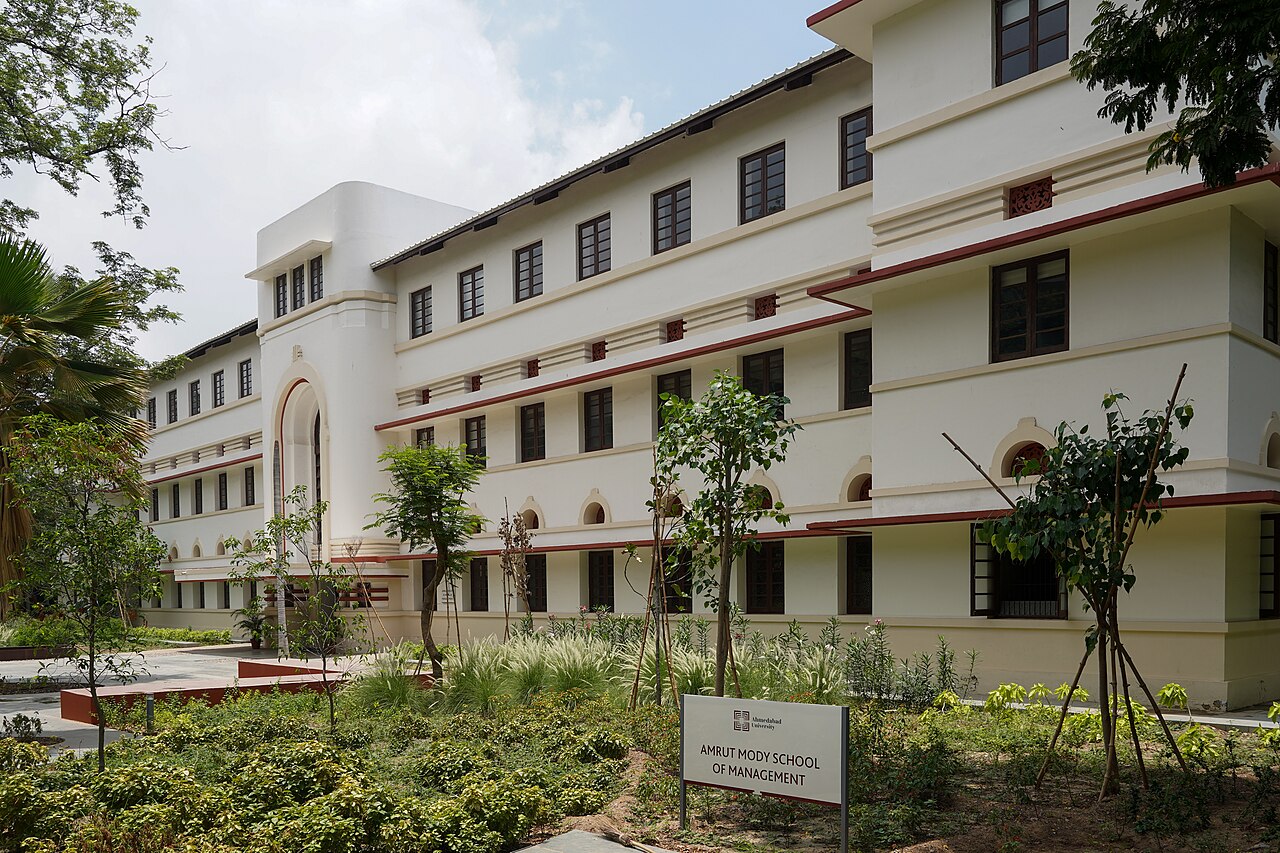
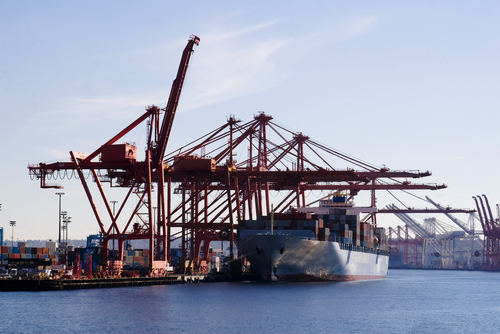
Gujarat's significance lies in its role as a cradle of the Indus Valley Civilisation and its long maritime history, with coastal cities like Bharuch and Khambhat serving as ports during the Maurya and Gupta empires. The state is one of the most industrialised in India, with the fourth-largest economy and the highest exports of all states, accounting for about one-third of national exports. It also has one of the lowest crime rates, with Ahmedabad, Vadodara, and Surat among the five safest cities in India. Gujarat is one of four Indian states to prohibit the sale of alcohol. The world's largest data center is planned to be built in Jamnagar by Reliance Industries. The state's human development index ranks 21st among Indian states and union territories.
Did You Know?
- Gujarat has the longest mainland coastline in India, at about 1,600 km.
- Gir National Park in Gujarat is home to the only wild population of the Asiatic lion.
- Gujarat accounts for around one-third of India's merchandise exports.
Constitutional Framework of Executive Power
The office of Chief Minister in Gujarat operates within a constitutional structure shared across all Indian states. While the governor holds the formal, de jure position as head of the state, the real executive power resides with the chief minister, who leads the day-to-day governance. After elections to the Gujarat Legislative Assembly, the governor typically extends an invitation to whichever political party or coalition of parties commands a majority of seats to form the government. The governor then formally appoints the chief minister, and the resulting council of ministers must maintain collective responsibility to the assembly. As long as the chief minister retains the confidence of the legislative body, the term stretches for five years. This term is renewable, and notably, the constitution imposes no term limits on the position, allowing a single individual to hold the office for multiple consecutive cycles if the assembly continues to support them.
State Formation and the Inaugural Leadership
Gujarat as a distinct Indian state traces its origins to a complex administrative evolution. After Indian independence in 1947, the province of Bombay was carved from the former Bombay Presidency. When the Constitution of India was adopted in 1950, Bombay State was formally created, absorbing portions of Baroda, Western India, and the Gujarat States Agency. The 1956 reorganisation of Indian states further expanded Bombay State by adding the Saurashtra and Kutch regions. It was not until 1 May 1960, following the Mahagujarat Movement, that the Gujarati-speaking districts were separated from Bombay State to form the new state of Gujarat. Jivraj Narayan Mehta, a member of the Indian National Congress, was entrusted with the role of the state's first chief minister, setting the precedent for democratic leadership in this newly defined territory.
Record-Breaking Tenure and Historic Succession
Narendra Modi of the Bharatiya Janata Party holds the record as Gujarat's longest-serving chief minister, with a tenure spanning more than twelve years from December 2002 through May 2014. His extended period in office exemplifies the absence of term limits in the state's constitutional framework. Upon resigning to assume the role of India's 14th prime minister, Modi opened the path for a historic transition in Gujarat's political leadership. Anandiben Patel stepped into the chief ministerial chair, making her the first woman to ever hold the office in the state. This succession marked a significant milestone in Gujarat's democratic history, breaking a decades-long pattern of male leadership and demonstrating that the assembly's confidence could elevate a new generation of leaders into the state's highest executive role.
Current Leadership and Political Continuity
As of 13 September 2021, Bhupendrabhai Patel of the Bharatiya Janata Party serves as the incumbent chief minister of Gujarat, continuing the party's strong presence in the state's executive leadership. The trajectory of Gujarat's chief ministership reveals a clear political evolution: from Jivraj Narayan Mehta of the Indian National Congress as the inaugural leader in 1960, through Narendra Modi's record-breaking BJP tenure, to Anandiben Patel's groundbreaking appointment as the first woman chief minister, and now to Bhupendrabhai Patel's current term. Each transition has been governed by the same constitutional mechanism—assembly elections, the governor's invitation to the majority party or coalition, and the collective responsibility of the council of ministers. The state's leadership has thus moved through multiple political parties and historic firsts while remaining anchored to the same foundational principles established when Gujarat was first constituted as a separate entity.
Gallery
Frequently Asked Questions
Who is Gujarat?
Gujarat is a western Indian state that stretches along the Arabian Sea coast, with the vast majority of its shoreline sitting on the Kathiawar peninsula. It ranks as the fifth-largest state by land area and the ninth by population, home to roughly 60.4 million people as of the 2011 census.
What is Gujarat's signature trait among Indian states?
It holds the longest mainland coastline in all of India, spanning approximately 1,600 kilometres of shore. That gives it a distinctly maritime identity compared to the landlocked states further east.
How does Gujarat connect to the Indus Valley Civilisation?
No other Indian state contains as many Indus Valley sites—Gujarat alone encompasses 23 of them. Highlights include Lothal, widely regarded as one of the earliest known seaports in the world, and Dholavira, among the largest urban settlements of that ancient culture.
Why do fans often call Gujarat the 'maritime anchor' of western India?
Because its 1,600 km of coastline and the port heritage of places like Lothal make it the natural gateway for trade and cultural exchange along the western seaboard. Its geographic position on the Kathiawar peninsula puts it at the crossroads of overland and sea routes.
What is Gujarat's role in the broader 'story' of Indian history?
It serves as the living bridge between the Bronze Age Indus Valley world and modern India, preserving more ancient urban sites than any other state. At the same time, its sheer size and population keep it a major player in contemporary Indian affairs.
More in Indian States 1-24
Spotted an error? Know more?
Reader corrections go straight into our review queue. Suggest an edit · How this site is sourced