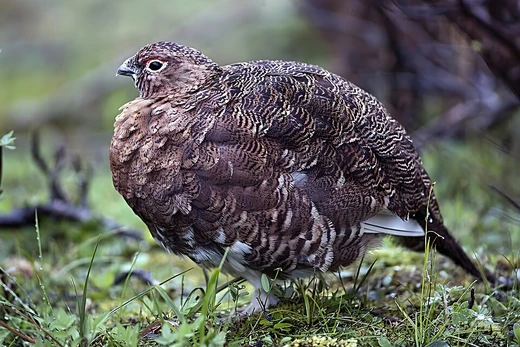
Greater scaup
A circumpolar diving duck with declining but stable populations.

The greater scaup (Aythya marila), also known as the scaup in Europe or colloquially as the 'bluebill' in North America, is a mid-sized diving duck. It breeds in Iceland, across Scandinavia, northern Russia and Siberia, Alaska, and northern Canada, migrating south to the coasts of Europe, eastern Asia, and North America for the winter. The species is notable for its circumpolar distribution and its declining populations since the 1980s, though it remains listed as a species of least concern on the IUCN Red List.
Quick Facts
- Genus
- Aythya
- Species
- marila
Facts from the source article.
Lore & Background
Greater scaup eat aquatic molluscs, plants, and insects, diving to depths of 0.5–6 m, exceptionally 10 m. They form large groups called 'rafts' that can number in the thousands. Their main threat is human development, though they are also preyed upon by owls, skunks, raccoons, foxes, coyotes, and humans. Populations have been declining since the 1980s, but the species is still listed as least concern on the IUCN Red List.
Reader's Guide
The greater scaup is a significant species for understanding the ecology of Arctic-breeding diving ducks and the impacts of human development on migratory waterfowl. Its circumpolar breeding range and large wintering rafts make it a visible component of coastal and inland waterbird communities across the Northern Hemisphere. The species' decline since the 1980s, despite its current least-concern status, highlights ongoing conservation concerns, particularly from habitat loss and human disturbance. The greater scaup's close relationship with the lesser scaup and tufted duck, as revealed by phylogenetic analysis, provides insight into the evolutionary history of the Aythya genus. Its two recognized subspecies, with intermediate forms in eastern Asia, illustrate geographic variation and potential taxonomic complexity. The bird's English name, likely derived from 'scaup' or 'scalp'—a Scottish term for a shellfish bed—reflects its winter feeding habits. The greater scaup serves as a model for studying migration, moult strategies, and the effects of climate change on Arctic-nesting birds.
Did You Know?
- The greater scaup is 20% heavier and 10% longer than the closely related lesser scaup.
- Its English name likely comes from 'scaup' or 'scalp', a Scottish word for a shellfish bed where the birds feed in winter.
- The species was formally described by Carl Linnaeus in 1761 under the name Anas marila.
- Greater scaup can dive to depths of up to 10 meters (exceptionally) to feed on aquatic molluscs, plants, and insects.
More in Holarctic birds 1-24
Spotted an error? Know more?
Reader corrections go straight into our review queue. Suggest an edit · How this site is sourced