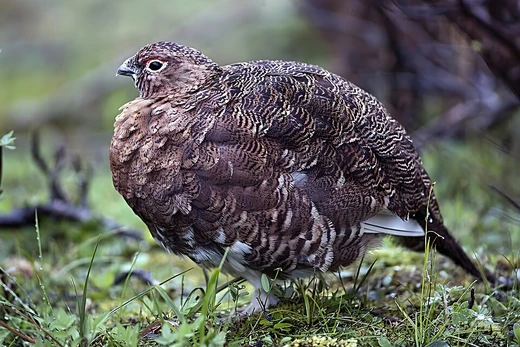
Common merganser
A large piscivorous duck of forested rivers and lakes.

Paul Danese · CC BY-SA 4.0
The common merganser or goosander (Mergus merganser) is a large sea duck of rivers and lakes in forested areas of Europe, Asia, and North America. It is a piscivorous bird known for its serrated bill, which helps it grip fish, and its habit of nesting in tree cavities. The species is partially migratory and has expanded its breeding range in Western Europe since about 1850.
Quick Facts
- Genus
- Mergus
- Species
- merganser
Facts from the source article.
Lore & Background
The common merganser was first formally described by Swedish naturalist Carl Linnaeus in 1758 in the 10th edition of his Systema Naturae, where he introduced the binomial name Mergus merganser. The genus name is a Latin word used by Pliny and other Roman authors for an unspecified waterbird, and merganser derives from mergus and anser, Latin for 'goose'. In 1843, John James Audubon used the name 'Buff-breasted Merganser' in addition to 'goosander' in his book The Birds of America. Three subspecies exist, differing only in minor detail.
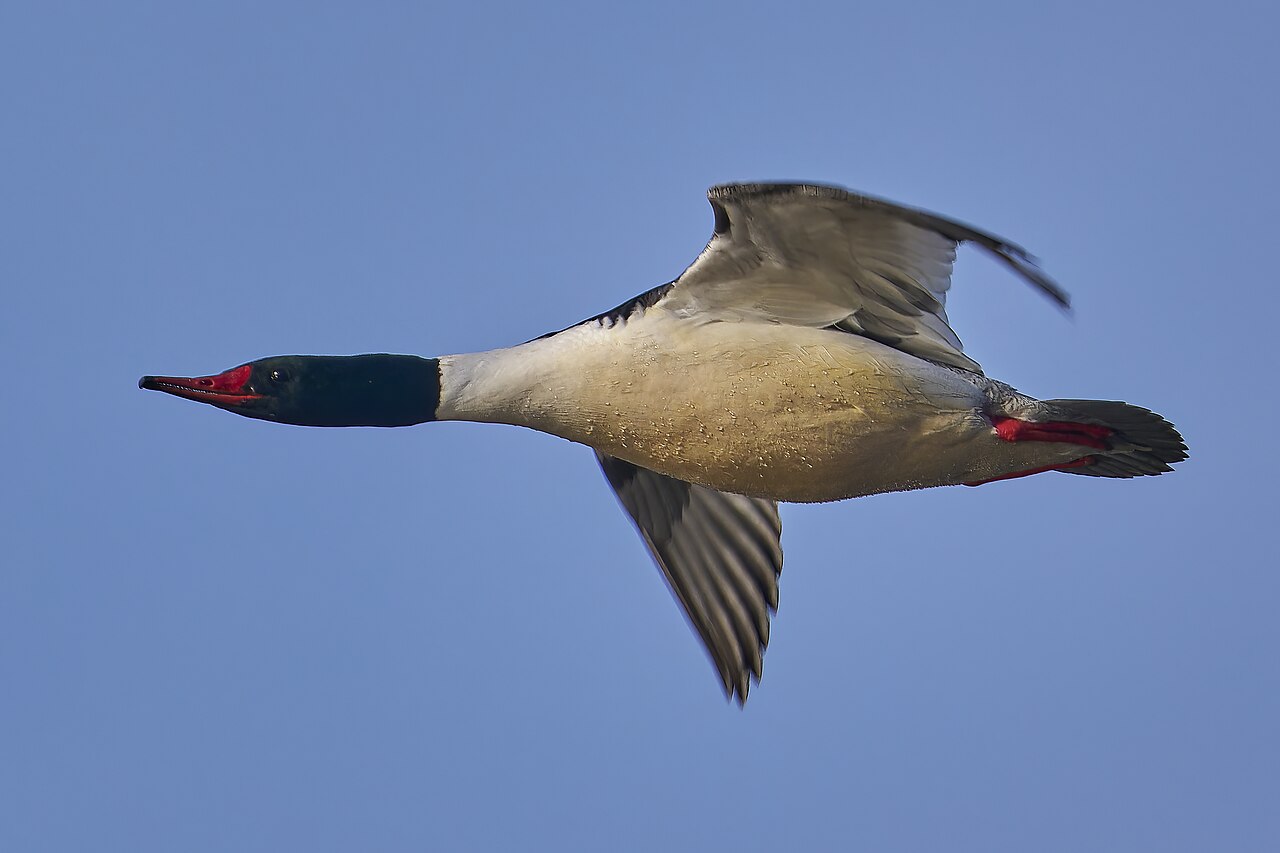
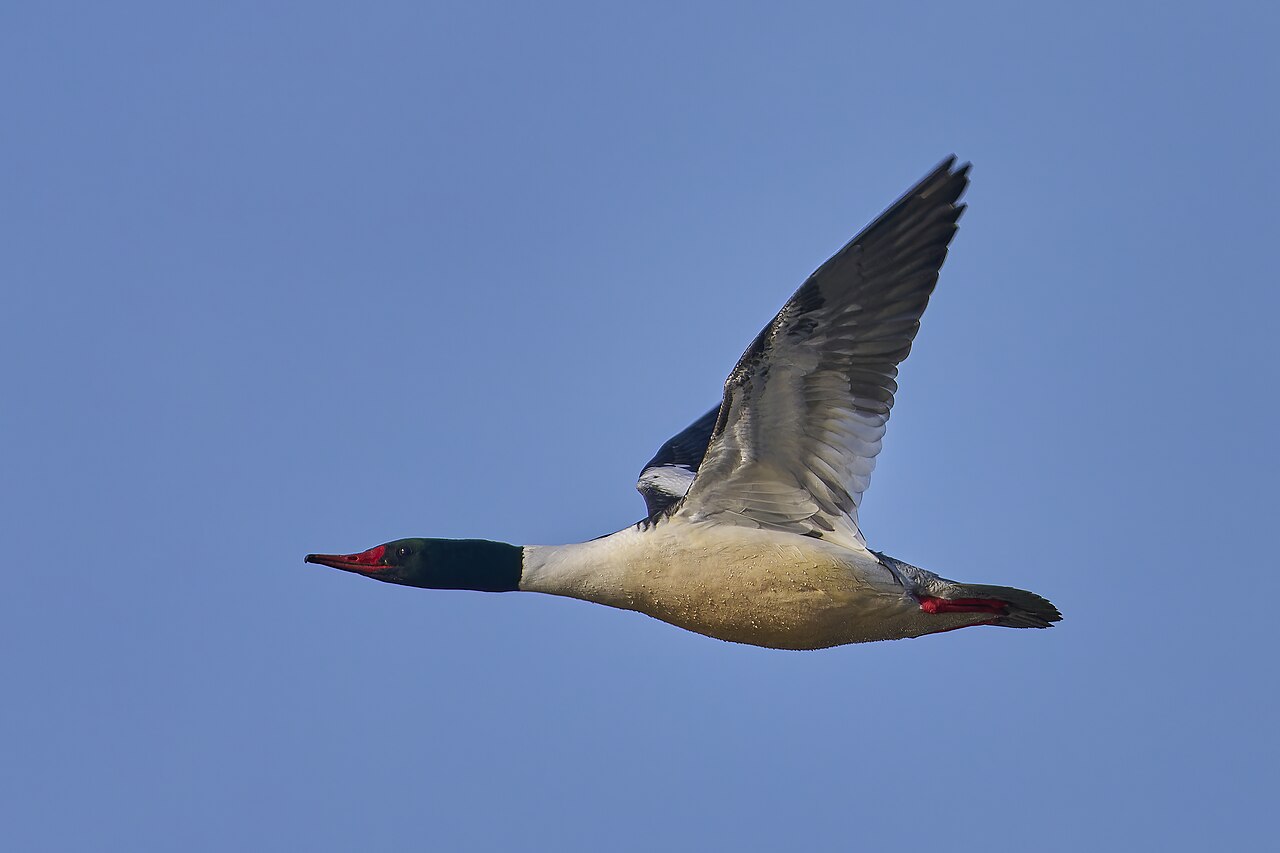
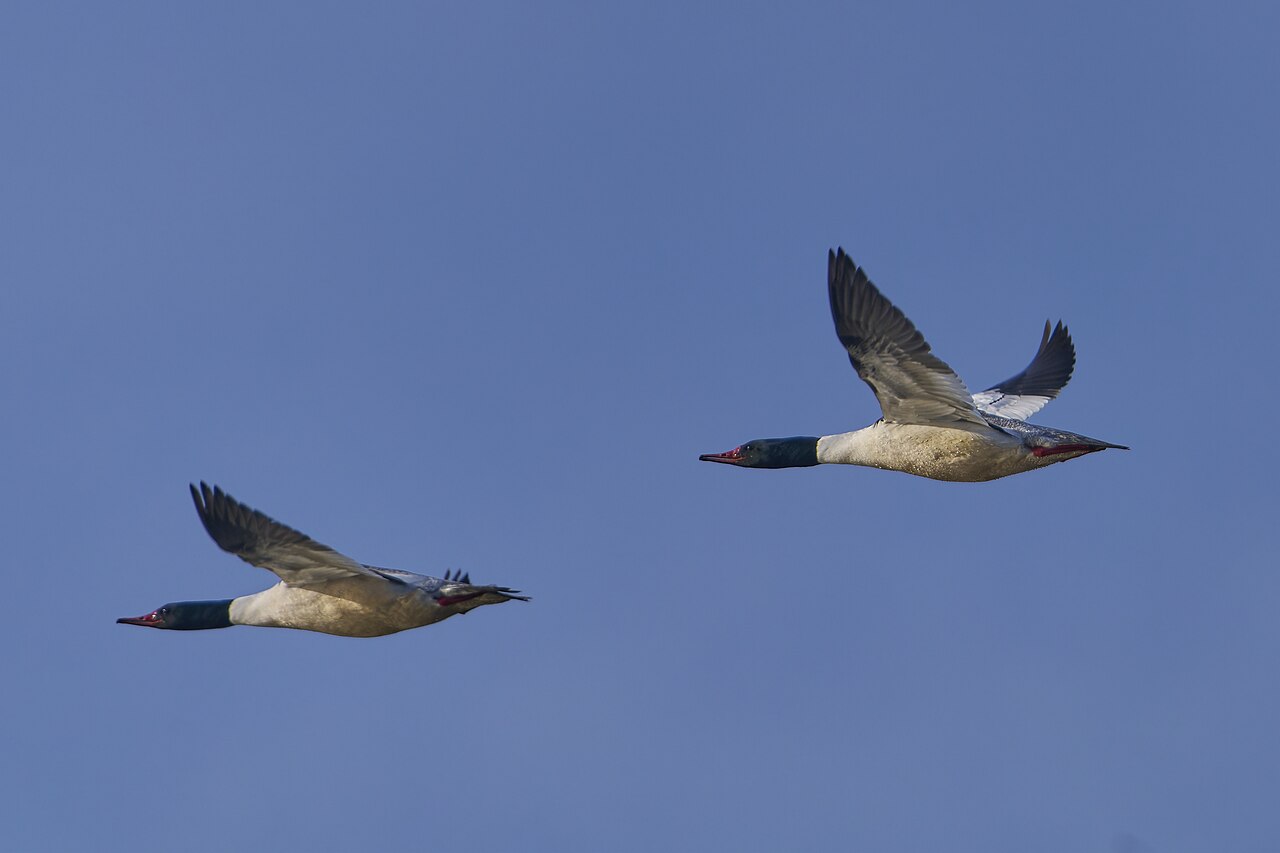
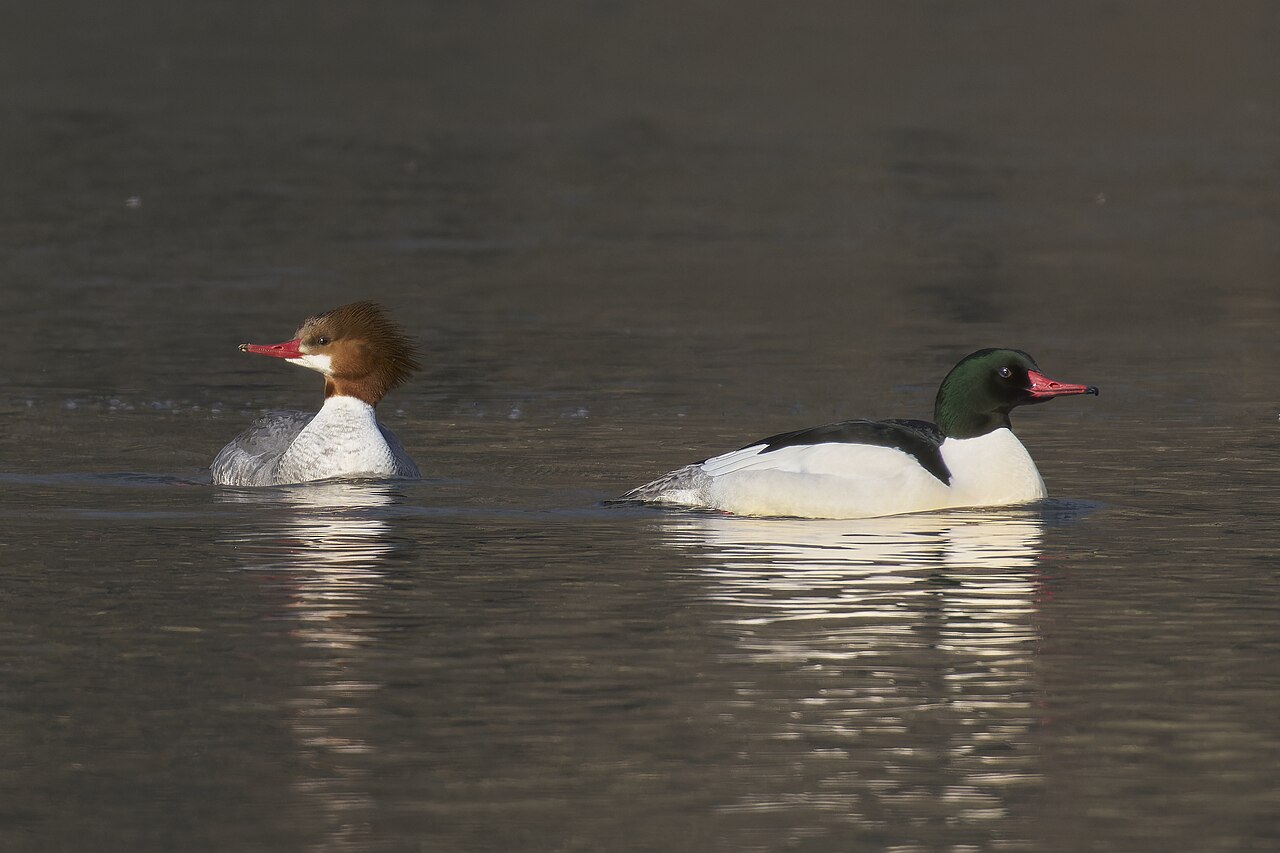
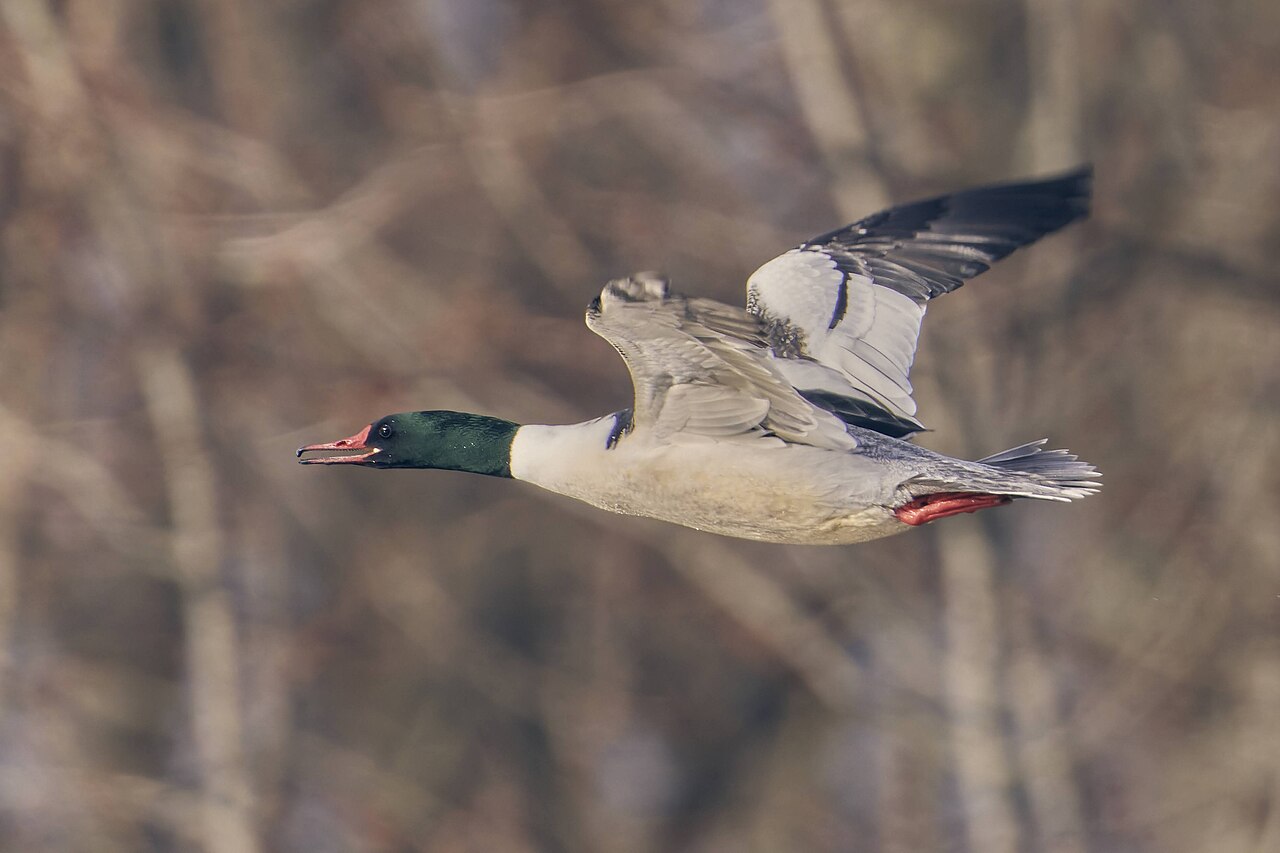
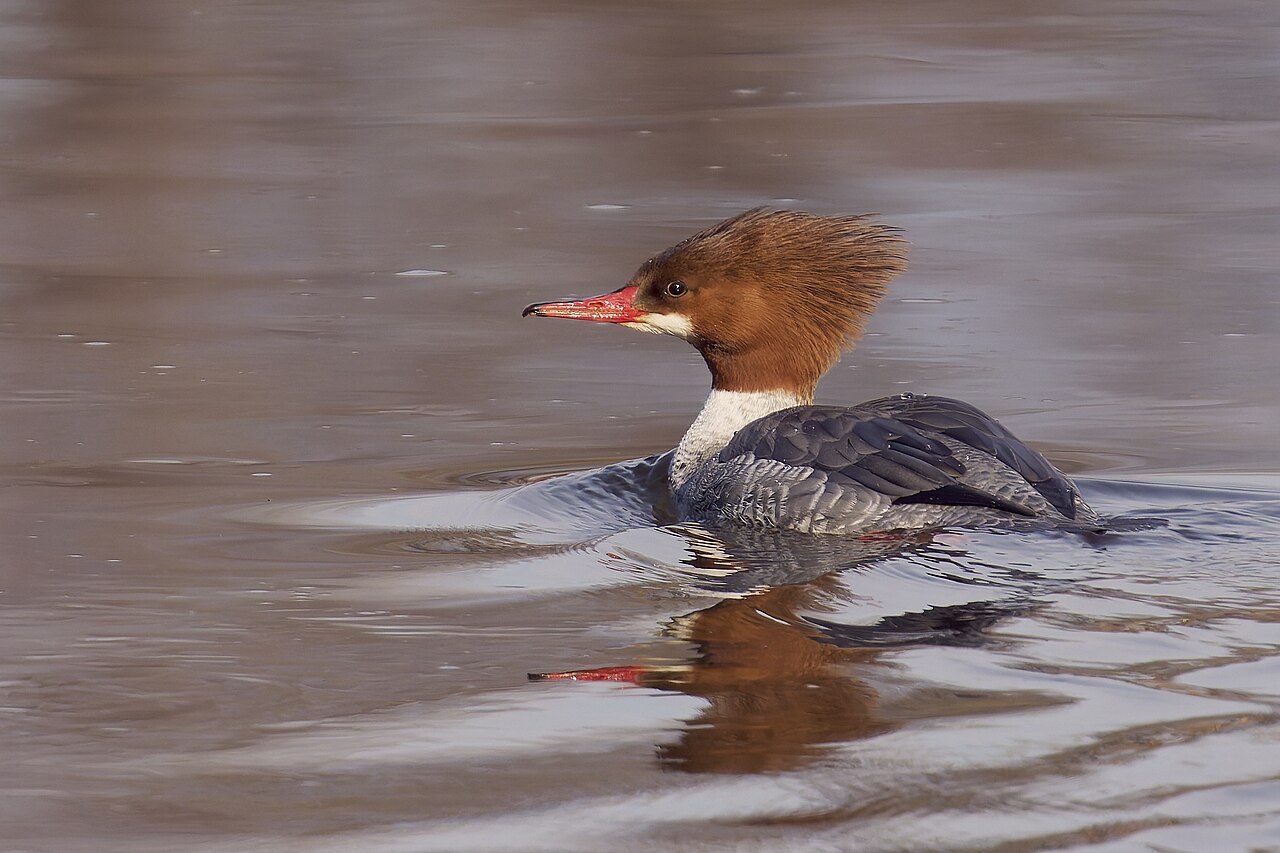
Adult males in breeding plumage are easily distinguished: the body is white with a variable salmon-pink tinge, the head black with an iridescent green sheen, and the wings largely white on the inner half and black on the outer half. Females and males in eclipse plumage are largely grey with a reddish-brown head and white chin. Juveniles resemble adult females but also show a short black-edged white stripe between the eye and bill. The bill and legs are red to brownish-red, brightest on adult males.
Common mergansers often fish in groups by forming a semicircle and driving fish into shallow water. They nest in tree cavities, requiring mature forest as breeding habitat, and also readily use large nest boxes. The female lays 6–17 eggs and raises one brood per season. Ducklings follow the mother to water immediately after hatching. The species is known to form crèches, with single females observed with up to 20–30 ducklings at one time.
Reader's Guide
The common merganser is significant as a widespread and adaptable waterbird that occupies forested rivers and lakes across three continents. Its reliance on tree cavities for nesting ties it to mature forest ecosystems, making it an indicator of habitat quality. The species has shown notable range expansion in Western Europe since about 1850, colonizing Scotland in 1871 and England in 1941, and increasing in the Alps. This expansion may reflect climate or land-use changes.
As a piscivorous duck, it plays a role in aquatic food webs, and its serrated bill is a specialized adaptation for gripping fish. The species is partially migratory, with distinct moult migration patterns: most Western European males migrate north to estuaries in Finnmark, Norway, to moult, leaving females to care for ducklings. The common merganser is not threatened overall, though illegal persecution by game-fishing interests occurs in some regions. A rare sighting in Central Park, New York, in February 2020 highlighted the species' occasional vagrancy. The goosander is covered by the Agreement on the Conservation of African-Eurasian Migratory Waterbirds.
Did You Know?
- The common merganser is also known as the goosander in Eurasia.
- Males in breeding plumage have a variable salmon-pink tinge on the body, likely derived from carotenoid pigments in crustaceans and fish.
- The species nests in tree cavities and also uses large nest boxes with an entrance hole 15 cm in diameter.
A Name with Roman Roots
The scientific identity of this duck traces back to 1758, when Swedish naturalist Carl Linnaeus formally described the species in the tenth edition of his Systema Naturae, assigning it the binomial Mergus merganser. The genus name itself reaches much further into antiquity: it was a Latin term employed by Pliny the Elder and other Roman writers to denote an unspecified waterbird, and the English word "merganser" simply fuses that root with anser, the Latin word for goose. Naming conventions have also varied by region and era. In North America the bird is commonly called the "common merganser," while across Eurasia it goes by "goosander." In 1843, John James Audubon added yet another label, "Buff-breasted Merganser," in his monumental work The Birds of America, using it alongside the older goosander name. Despite these multiple common names, the species is divided into only three subspecies, and the differences among them are minor in detail.
Plumage and Structure
At 58 to 72 centimetres in length with a wingspan reaching up to 97 centimetres and a body mass between 0.9 and 2.1 kilograms, the common merganser is a substantial sea duck. Males tend to be slightly larger on average, though the two sexes overlap in size. Like all members of the genus Mergus, it carries a crest of elongated head feathers, but rather than standing erect, these feathers typically lie smoothly rounded behind the head. In breeding plumage, the adult male is striking: a predominantly white body sometimes flushed with a variable salmon-pink tinge, a glossy black head carrying an iridescent green sheen, a grey rump and tail, and wings that are largely white on the inner half and black on the outer. Females and males in eclipse plumage (July through October) present a more subdued grey body with a reddish-brown head, a clean white chin, and white secondary wing feathers. Juveniles of both sexes resemble adult females but can be told apart by a short, black-edged white stripe running between the eye and the bill. The bill and legs range from red to brownish-red, appearing brightest on adult males and dullest on young birds.
The Sawbill and the Hunt
The common merganser's bill bears serrated edges that let it grip slippery prey with remarkable efficiency, earning the species its popular nickname "sawbill." Fish form the backbone of its diet, but the duck also takes molluscs, crustaceans, worms, insect larvae, and amphibians, and on rare occasions small mammals or other birds. The variable salmon-pink wash seen on some males is almost certainly dietary in origin, derived from carotenoid pigments present in certain crustaceans and fish. Hunting is often a coordinated affair: a group of mergansers will form a semicircle and drive fish into shallower water where capture is easier. Outside of dives, the birds are typically seen floating on the surface, perched on mid-river rocks, tucked into riverbank vegetation, or (in winter) balanced on the edge of floating ice. In larger streams they will float downstream for several miles before flying or fishing their way back. When swimming upstream they dive deep beneath the surface in a manner reminiscent of cormorants, and they frequently rest on rocks with wings half-spread toward the sun. Taking off requires a run of flaps along the water's surface, after which their flight is notably strong and fast.
Nesting, Ducklings, and the Crèche
Because the common merganser nests in tree cavities, it depends on mature forest as its breeding habitat, though it will readily occupy large nest boxes provided for it, requiring an entrance hole of about 15 centimetres in diameter. In treeless regions such as the mountains of Central Asia, the species turns to holes in cliffs or steep, high banks, sometimes at considerable distances from the water. The female lays between six and seventeen eggs—most commonly eight to twelve—white to yellowish in colour, measuring roughly 6 to 7.2 centimetres in length. She raises a single brood each season. Immediately after hatching, the mother carries her ducklings on her back to the nearest river or lake, where the young feed on freshwater invertebrates and small fish fry. The ducklings fledge at sixty to seventy days of age and do not reach sexual maturity until they are two years old. One of the most remarkable aspects of this species' social life is the crèche: a single female has been observed tending more than seventy ducklings at one time, suggesting a communal rearing strategy that is unusual among waterfowl.
Gallery
Frequently Asked Questions
Who is Common merganser?
The Common merganser (Mergus merganser) is a large diving duck that patrols forested waterways across the Northern Hemisphere, spanning Europe, Asia, and North America. It is equally well known by its other common name, the goosander.
What are Common merganser's powers/role?
Its signature ability is a long, finely serrated bill that works like a set of tiny saw-teeth to lock onto slippery fish underwater. Beyond its staple fish diet, it will also grab molluscs, crustaceans, worms, insect larvae, and small amphibians.
Why is Common merganser important?
As a top piscivorous predator in forested river and lake ecosystems, it helps keep fish populations in check and links aquatic food webs to terrestrial nesting sites. Its habit of depositing clutches of 6 to 17 eggs (most often 8–12) inside tree cavities also makes it a key user of woodland deadwood habitat.
What are Common merganser's build and stats?
Adults measure roughly 58–72 cm in length with a wingspan of 78–97 cm and a body mass between 0.9 and 2.1 kg. That places them firmly in the large sea-duck category, noticeably bulkier than most familiar pond ducks.
More in Holarctic birds 1-24
Spotted an error? Know more?
Reader corrections go straight into our review queue. Suggest an edit · How this site is sourced