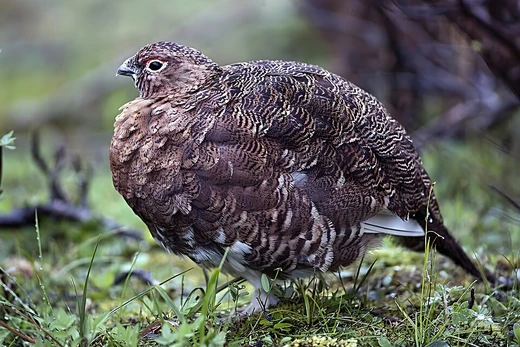
Barn swallow
The most widespread swallow species, found on all continents, with a deeply forked tail and close association with humans.

Ken Billington · CC BY-SA 3.0
The barn swallow (Hirundo rustica) is the most widespread species of swallow in the world, occurring on all continents, with vagrants reported even in Antarctica. It is a distinctive passerine bird with blue upperparts and a long, deeply forked tail. In Anglophone Europe, it is just called the swallow; in northern Europe, it is the only member of family Hirundinidae called a 'swallow' rather than a 'martin'. There are eight subspecies of barn swallow, which breed across the Northern Hemisphere. Two subspecies (H. r. savignii and H. r. transitiva) have fairly restricted ranges in the Nile valley and eastern Mediterranean, respectively. The other six are more widespread, with winter ranges covering much of the Southern Hemisphere. The barn swallow is a bird of open country that normally nests in man-made structures and consequently has spread with human expansion. It builds a cup nest from mud pellets in barns or similar structures and feeds on insects caught in flight. This species lives in close association with humans, and its insect-eating habits mean that it is tolerated by humans; this acceptance was reinforced in the past by superstitions regarding the bird and its nest. There are frequent cultural references to the barn swallow in literary and religious works due to both its living in close proximity to humans and its annual migration. The barn swallow is the national bird of Austria and Estonia.
Quick Facts
- Genus
- Hirundo
- Species
- rustica
- Audio
- Barn Swallow - Hirundo Rustica - John Heinz National Wildlife Refuge, Philadelphia, Pennsylvania, USA.webm
- Audio Caption
- Hirundo rustica calling in Philadelphia
Facts from the source article.
Lore & Background
The barn swallow was described by Carl Linnaeus in his 1758 10th edition of Systema Naturae as Hirundo rustica, characterised as 'H. rectricibus, exceptis duabus intermediis, macula alba notatîs'. Hirundo is the Latin word for 'swallow'; rusticus means 'of the country'. This species is the only one of that genus to have a range extending into the Americas, with the majority of Hirundo species being native to Africa. This genus of blue-backed swallows is sometimes called the 'barn swallows'. The Oxford English Dictionary dates the English common name 'barn swallow' to 1851, though an earlier instance of the collocation in an English-language context is in Gilbert White's popular book The Natural History of Selborne, originally published in 1789. This suggests that the English name may be a calque on the Swedish term.
Reader's Guide
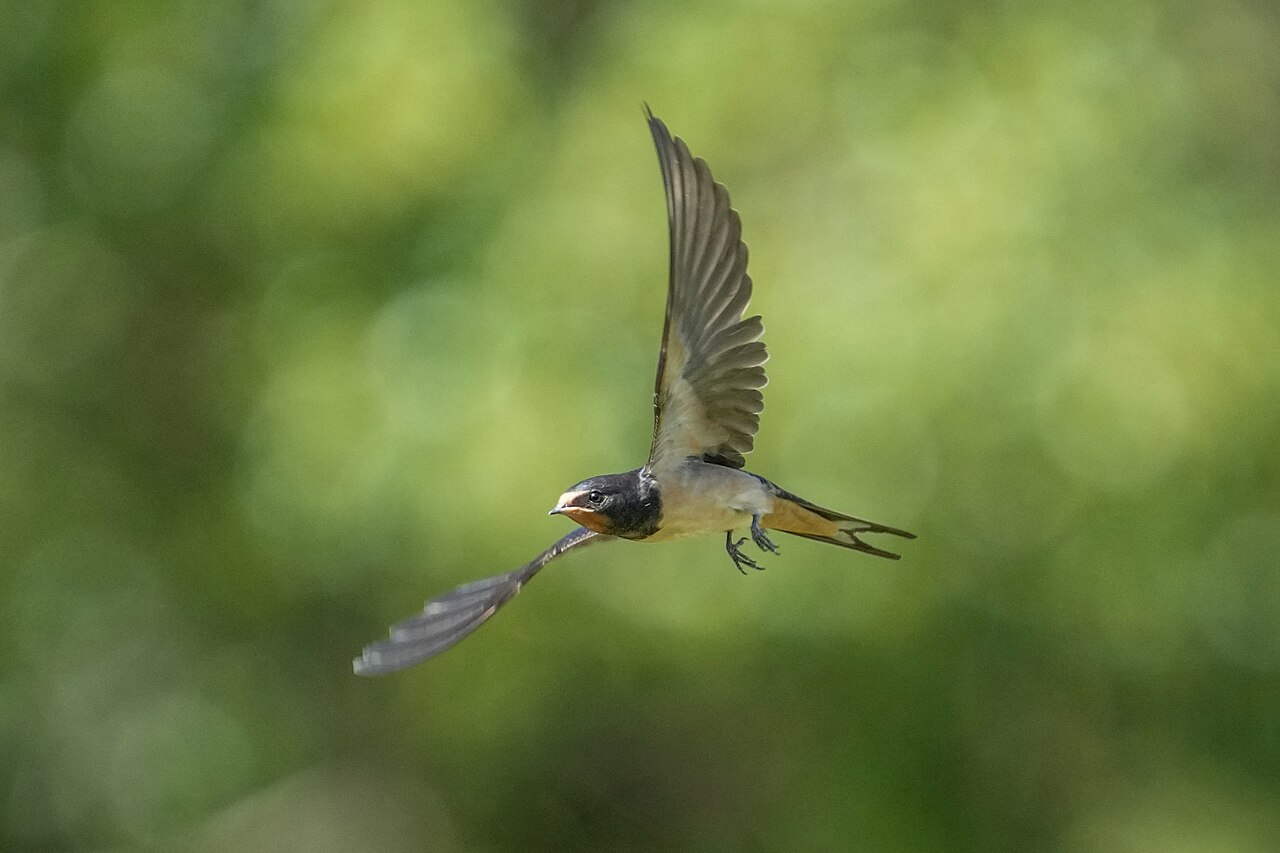
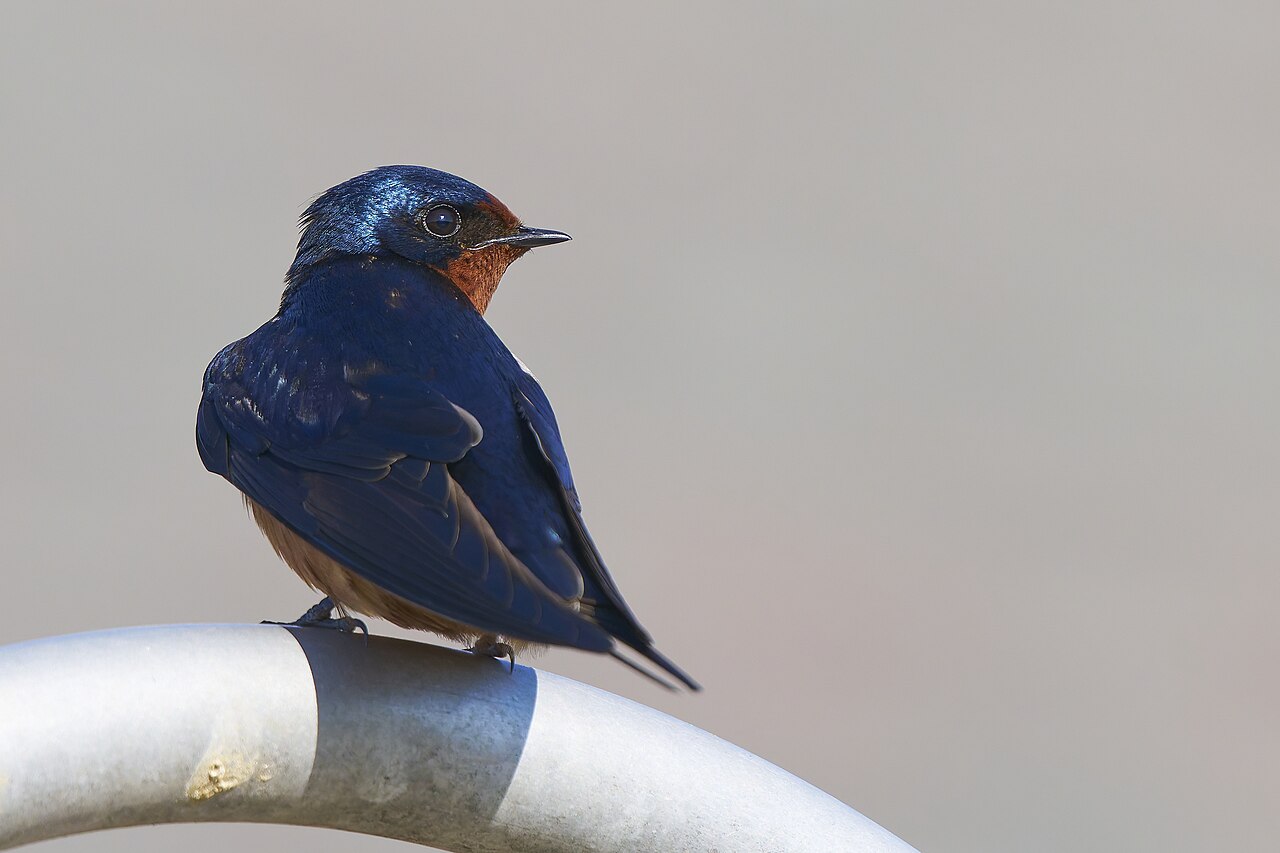
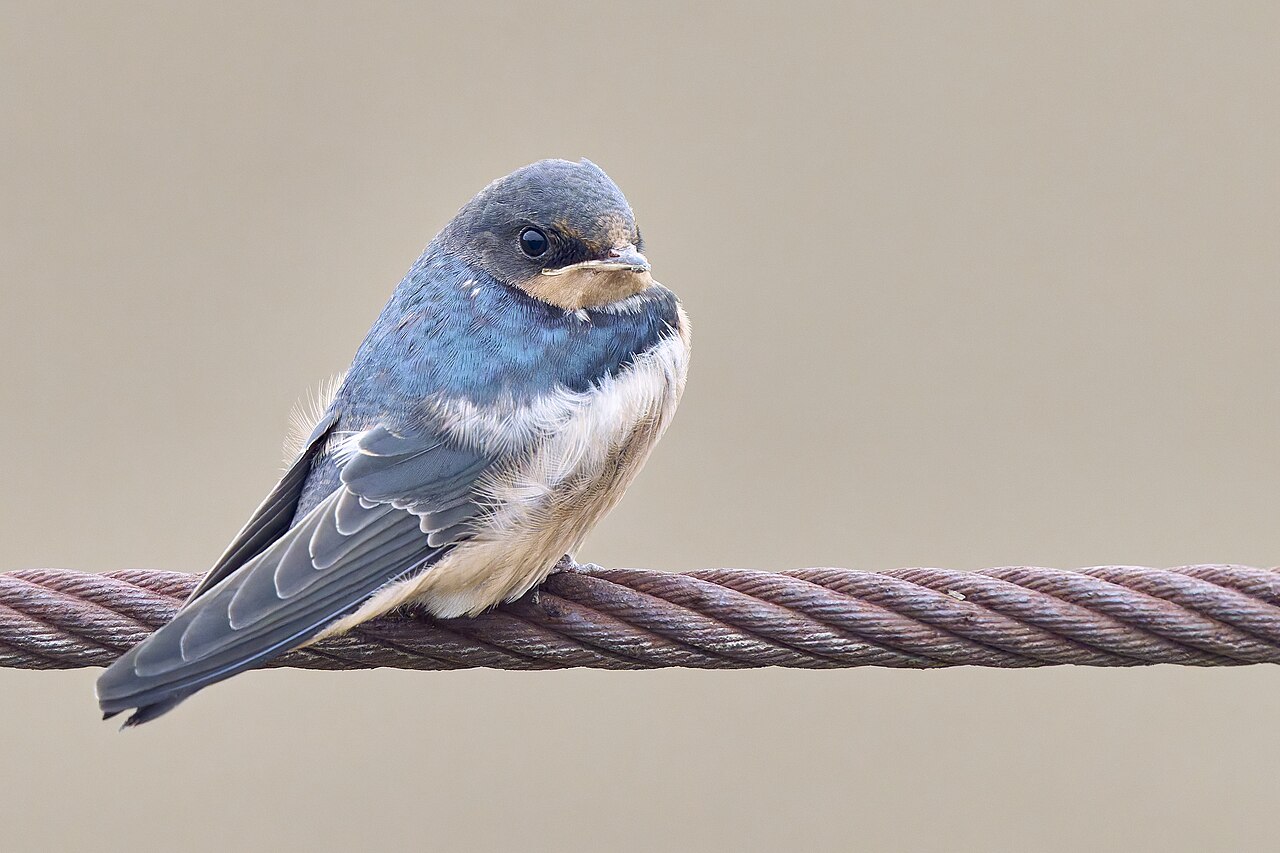
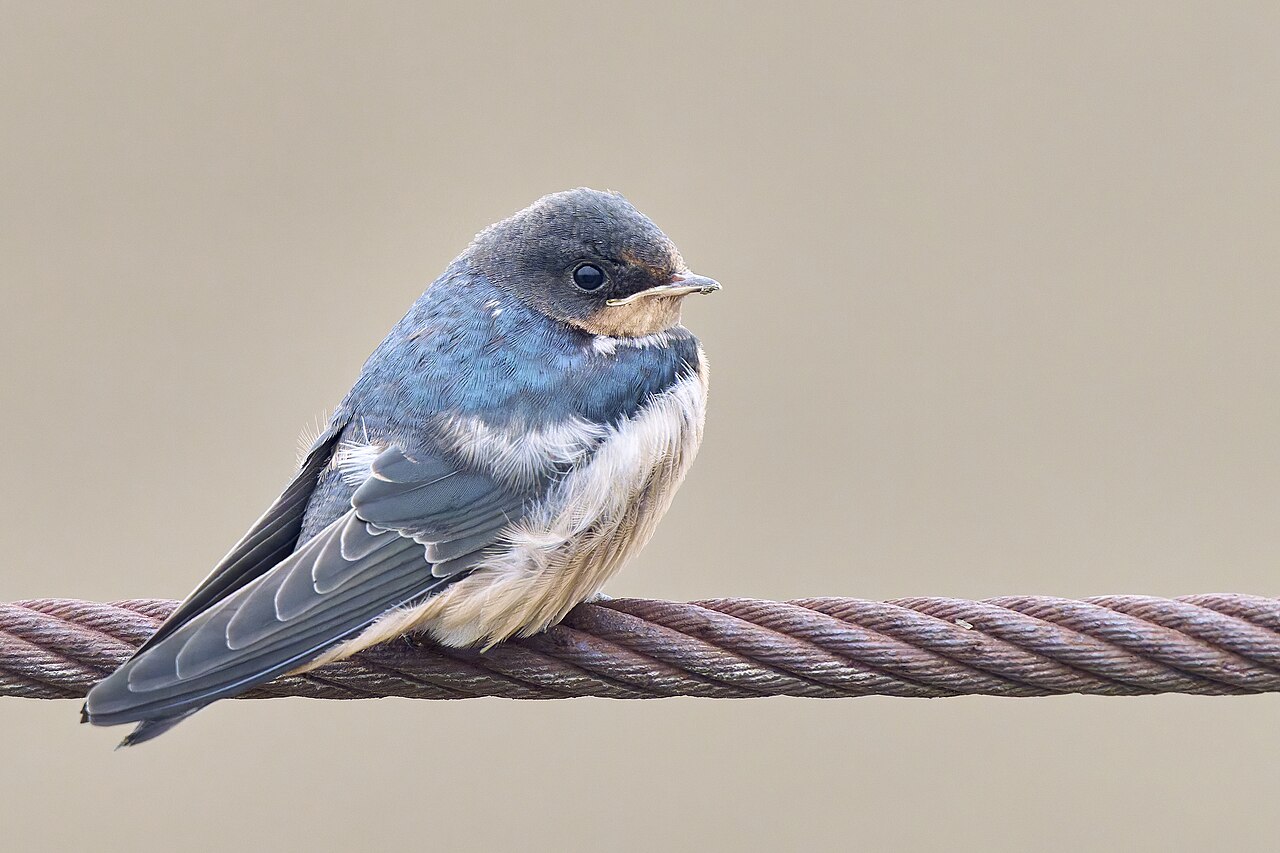
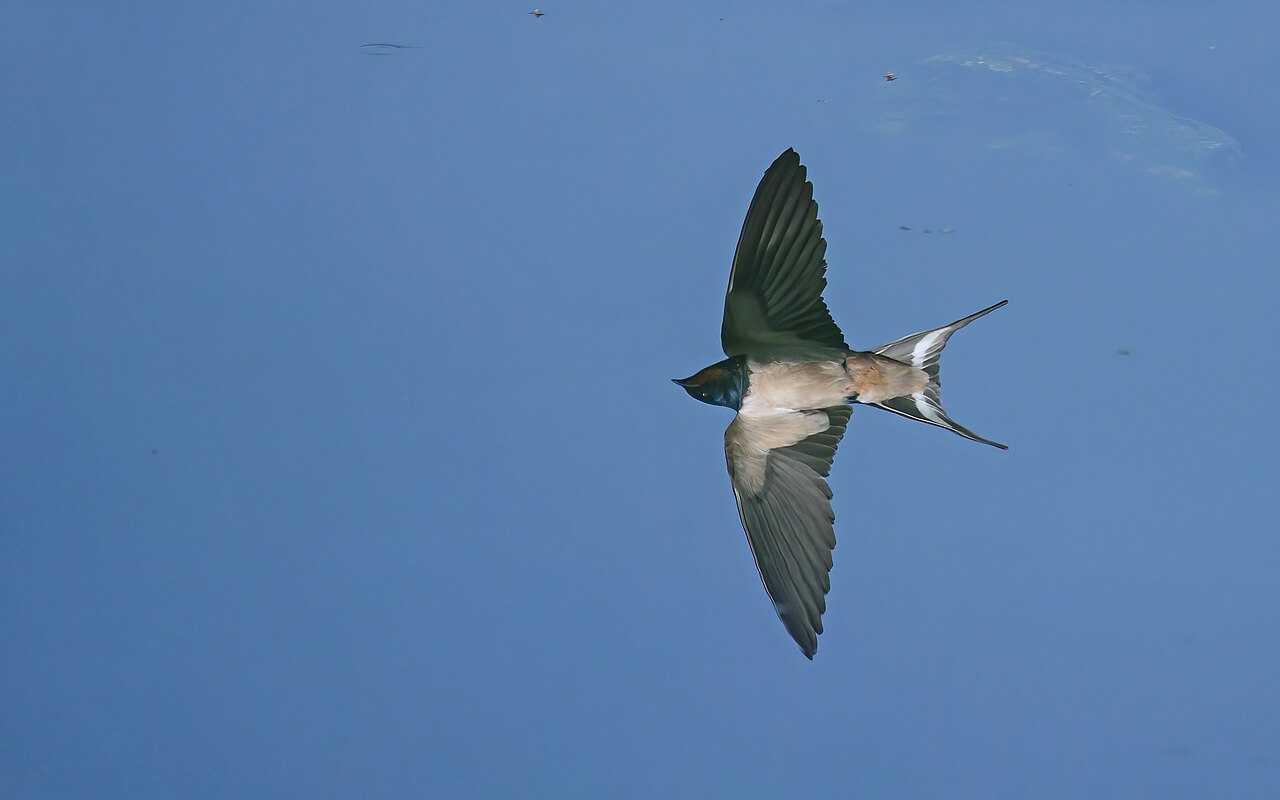
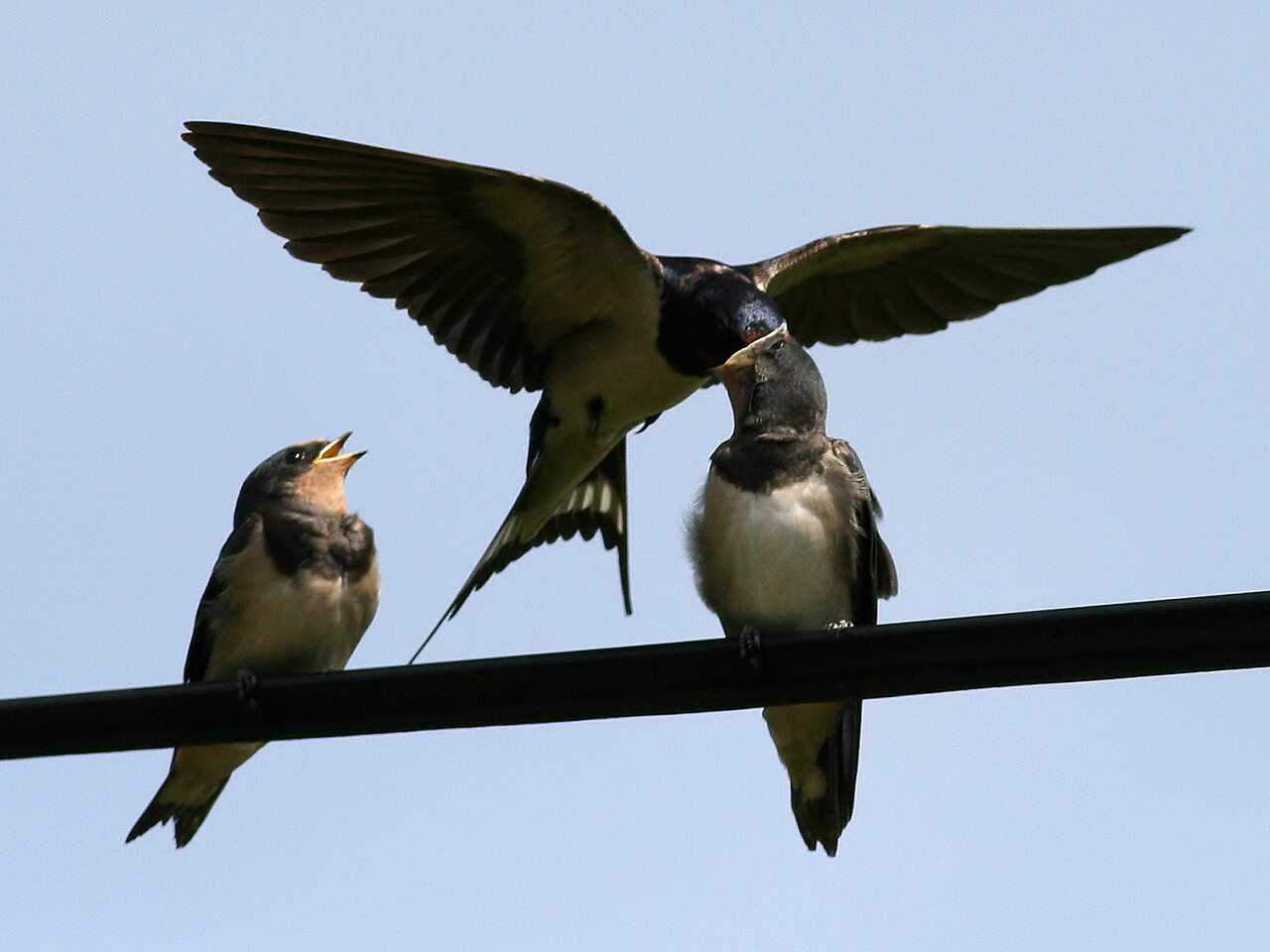
The adult male barn swallow of the nominate subspecies H. r. rustica is 17–19 cm long including 2–7 cm of elongated outer tail feathers. It has a wingspan of 32–34.5 cm and weighs 16–22 g. It has steel blue upperparts and a rufous forehead, chin and throat, which are separated from the off-white underparts by a broad dark blue breast band. The outer tail feathers are elongated, giving the distinctive deeply forked 'swallow tail'. There is a line of white spots across the outer end of the upper tail. The female is similar in appearance to the male, but the tail streamers are shorter, the blue of the upperparts and breast band is less glossy, and the underparts paler. The juvenile is browner and has a paler rufous face and whiter underparts. It also lacks the long tail streamers of the adult. Calls include witt or witt-witt and a loud splee-plink when excited or trying to chase intruders away from the nest. The alarm calls include a sharp siflitt for predators like cats and a flitt-flitt for birds of prey like the hobby. This species is fairly quiet on the wintering grounds. The distinctive combination of a red face and blue breast band renders the adult barn swallow easy to distinguish from the African Hirundo species and from the welcome swallow (Hirundo neoxena) with which its range overlaps in Australasia. In Africa the short tail streamers of the juvenile barn swallow invite confusion with juvenile red-chested swallow (Hirundo lucida), but the latter has a narrower breast band and more white in the tail.
Global Reach & the Longest Flights
The barn swallow holds the distinction of being the most geographically widespread swallow on Earth, with breeding populations spanning every continent and even vagrant individuals documented as far south as Antarctica. Eight recognized subspecies breed across the Northern Hemisphere, and six of them undertake seasonal movements that carry them deep into the Southern Hemisphere for the winter. The most remarkable of these journeys belongs to the nominate European subspecies, H. r. rustica, whose birds have been recorded covering distances of up to 11,660 kilometers on their annual round trip between Eurasian breeding grounds and wintering areas in southern Africa, Arabia, and the Indian subcontinent. Two subspecies, H. r. savignii and H. r. transitiva, maintain comparatively restricted ranges in the Nile valley and the eastern Mediterranean respectively, with the latter being only partially resident. The European subspecies also holds a scientific milestone: it was the first barn swallow to have its complete genome sequenced and published.
Appearance & Field Identification
The adult male of the nominate European subspecies measures between 17 and 19 centimeters in length, a figure that includes two to seven centimeters of elongated outer tail feathers creating the species' signature deeply forked silhouette. Its wingspan stretches from 32 to 34.5 centimeters, while its body mass sits in a narrow band of 16 to 22 grams. The plumage is striking: steel-blue upperparts contrast with a rufous forehead, chin, and throat, and a broad dark blue breast band separates these warm tones from the off-white belly. A row of white spots adorns the outer end of the upper tail. Females mirror the male's pattern but display shorter tail streamers, a less glossy blue, and paler underparts. Juveniles are browner overall, with a paler rufous face, whiter underparts, and no elongated tail streamers at all. In Australasia, the combination of the red face and blue breast band cleanly separates the barn swallow from the welcome swallow, while in Africa the juvenile's short streamers can invite confusion with the red-chested swallow, which differs by having a narrower breast band and more white in the tail.
Symbiosis with Humans & Cultural Presence
The barn swallow has evolved a remarkably close partnership with human civilization. As a bird of open country, it typically chooses man-made structures such as barns and out-houses as nesting sites, constructing a cup-shaped nest from carefully gathered mud pellets. This architectural dependence means the species has expanded its range in lockstep with human settlement. Its diet of insects caught in flight renders it beneficial to farmers and householders, and this practical tolerance was historically reinforced by superstitions that treated the bird and its nest as objects of good fortune. The result is a species that lives in intimate proximity to people across its range. This closeness, combined with the dramatic annual migration, has made the barn swallow a frequent subject in literary and religious works throughout the cultures it inhabits. In Anglophone Europe it is simply called "the swallow," and in northern Europe it is the only member of the family Hirundinidae bearing that name rather than "martin." Two nations, Austria and Estonia, have elevated the bird to the status of national symbol.
Taxonomy & the Story Behind the Name
Carl Linnaeus formally described the species in the 10th edition of Systema Naturae in 1758, assigning it the binomial Hirundo rustica. The genus name Hirundo is simply Latin for "swallow," while the specific epithet rusticus translates as "of the country," a nod to the bird's preference for open, rural landscapes. Within the genus, the barn swallow stands apart as the only species whose range extends into the Americas; the majority of its Hirundo relatives are native to Africa. The English common name "barn swallow" first appears in the Oxford English Dictionary in 1851, yet an earlier English-language usage surfaces in Gilbert White's The Natural History of Selborne (1789), where White notes that in Sweden the bird builds in barns and is called ladusvala, "the barn-swallow." This suggests the English term may be a calque borrowed from Swedish. Taxonomically, the red-chested swallow of West Africa, the Congo Basin, and Ethiopia was once treated as a subspecies of barn swallow before being elevated to full species status, distinguished by its slightly smaller size, narrower blue breast-band, and shorter tail streamers.
Gallery
Frequently Asked Questions
Who is Barn swallow?
Barn swallow (Hirundo rustica) is a small passerine in the Hirundinidae family, measuring roughly 17–19 cm long and weighing 16–22 g. It is the most geographically widespread member of the swallow family, with records from every continent.
What are Barn swallow's powers/role?
Barn swallow is a master of aerial foraging, snatching insects out of the air while in continuous flight. It also constructs cup-shaped nests from mud pellets on barns, bridges, and other man-made structures, showing a remarkable ability to thrive alongside human activity.
Where can you find Barn swallow?
This species has a truly global range, occurring on all seven continents, with stray individuals even documented in Antarctica. In northern Europe it holds the unique distinction of being the only Hirundinidae member locally called a 'swallow' rather than a 'martin.'
What does Barn swallow look like?
It is instantly recognizable by its iridescent blue upperparts and a deeply forked tail whose elongated outer feathers can add 2–7 cm to its overall length. A wingspan of 32–34.5 cm gives it a sleek, streamlined silhouette in flight.
Why is Barn swallow important?
With eight recognized subspecies, it represents one of the most genetically and geographically diverse swallow lineages on Earth. Its intimate association with human settlements worldwide makes it a beloved cultural symbol and a useful indicator of local environmental health.
More in Holarctic birds 1-24
Spotted an error? Know more?
Reader corrections go straight into our review queue. Suggest an edit · How this site is sourced